
Suicide
An underground, raw experimental act.
12 followers
Tracks10
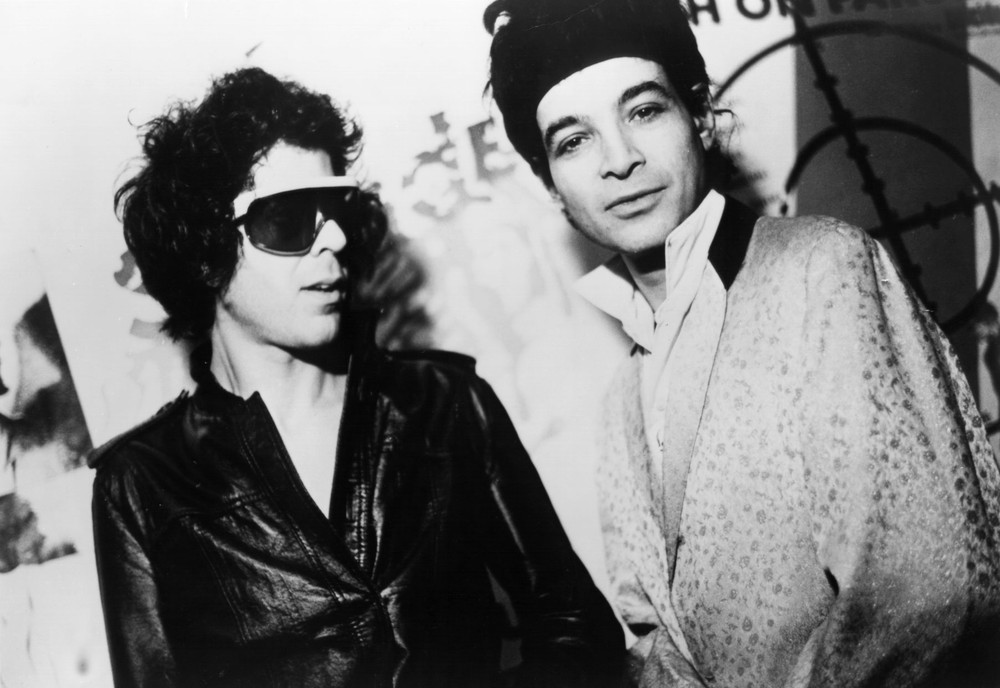
Although they barely received credit, Suicide (singer Alan Vega and keyboardist Martin Rev) were the source point for virtually every synth pop duo that glutted the pop marketplace (especially in England) in the early '80s. Without the trailblazing Rev and Vega, there would have been no Soft Cell, Erasure, Bronski Beat, Yaz, you name 'em, and while many would tell you that that's nothing to crow about, the aforementioned synth poppers merely appropriated Suicide's keyboards/singer look and none of Rev and Vega's extremely confrontational performance style and love of dissonance. The few who did (Throbbing Gristle, Cabaret Voltaire) were considered too extreme for most tastes. Suicide had been a part of the performing arts scene in New York City's Lower East Side in the early/mid-'70s New York Dolls era. Their approach to music was simple: Rev would create minimalistic, spooky, hypnotic washes of dissonant keyboards and synthesizers, while Vega sang, ranted, and spat neo-Beat lyrics in a jumpy, disjointed fashion. On-stage, Vega became confrontational, often baiting the crowd into a riotous frenzy that occasionally led to full-blown violence, usually with the crowd attacking Vega. With their reputation as controversial performers solidified, what was lost was that Suicide recorded some amazingly seductive and terrifying music. A relationship with Cars mastermind Ric Ocasek proved successful, bringing their music to a wider audience and developing unlikely fans (Bruce Springsteen went on record as loving Suicide's Vietnam-vet saga "Frankie Teardrop"), but after numerous breakups and reconciliations, Rev and Vega settled for being more influential than commercially successful. Ironically, the '90s proved to be a decade of vindication for Suicide with the rise of industrial dance music, Chicago's Wax Trax! label, and the bands associated with it (Revolting Cocks, Ministry, 1000 Homo DJs, etc.). Although not a big part of the scene after the late '90s, the profound influence of Suicide on a generation of younger bands was readily apparent. When Suicide returned in 2002 with American Supreme, their first studio release in ten years, much fanfare resulted, no doubt considerably furthered by Vega's presence around this time as a heavily profiled exhibitor of art in New York, where he had presented a show at the Jeffrey Dietch Gallery in New York earlier in the year. Vega also continued to appear on collaborative and solo recordings, including his album Station, which arrived in 2007, five years after Suicide's American Supreme. Vega died in 2016 in New York City at the age of 78. ~ John Dougan, Rovi
No dates announced yet
Get notified the moment Suicide announces a new show.
New Suicide dates land in the app first
Follow once and we’ll tell you when a new date is announced.


Past Events
Past Events1
Venues where Suicide plays
Plays at
Similar Artists
Similar Artists
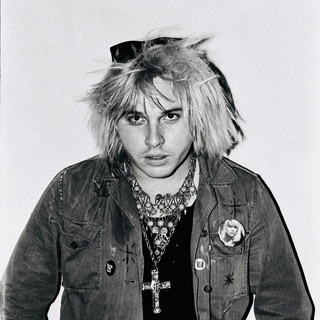
Music profile
energy
70
polish
30
commerciality
20
fashion
60
locality
60
nostalgia
60
queerness
0
age
50
Common questions
What kind of music does Suicide play?+
Suicide plays experimental, experimental rock, no wave - high-energy, built more for the room than a playlist.
What are Suicide live shows like?+
Suicide's live sets are high-energy with strong stage presence - consistently engaging, consistently loud.
Who are the members of Suicide?+
Suicide is a 2-piece group: Alan Vega, Martin Rev.
How can I find out when Suicide is playing?+
Follow Suicide on Mood to get notified when new shows are added. Mood tracks their upcoming events across all supported cities.