





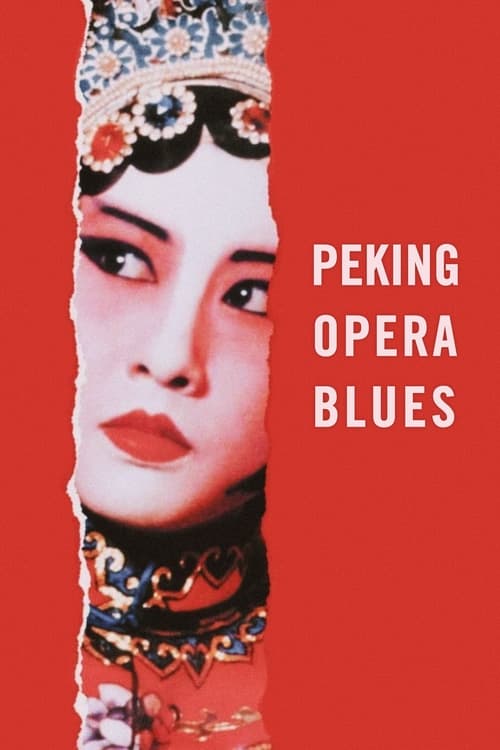
A scene where three women have a sleepover and discuss how they are going to kill a General is basically my ideal cinema
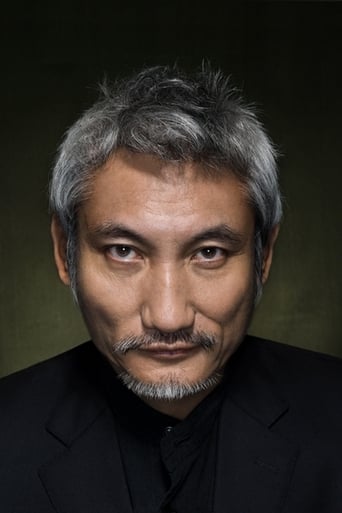
Regie Tsui Hark
刀馬旦
Ein von der Kritik gefeierter, energiegeladener Actionfilm.
Peking im Jahr 1913, kurz nach der Revolution. Yun Cao, Tochter eines mächtigen Generals und Mitglied einer Widerstandsgruppe, will ihrem Vater ein Dokument entwenden, das Verschwörungspläne gegen die Republik enthält. Auf ihrer Flucht vor der Polizei landet Yun Cao in der Peking-Oper. Dort verbündet sie sich mit einer diebischen Sängerin und der Tochter des Theaterdirektors. Eine verwegene Jagd durch die Kulissen beginnt.
Peking Opera Blues läuft derzeit in keinem Kino.
Folge dem Film in der App, um benachrichtigt zu werden, sobald Spielzeiten dazukommen.
Spielzeiten zu Peking Opera Blues, jeden Morgen aktualisiert
Wähle dein Kino und bekomm einen Hinweis, bevor der Film aus dem Programm fällt.
A scene where three women have a sleepover and discuss how they are going to kill a General is basically my ideal cinema

The theater backdrop and its own set of internal rules are a perfect setting for an intersection of revolutionary politics and gender roles. Everyone is engaged in one kind of performance or another, and even the action scenes hurtle through the levels of the set. This movie is just constantly exposing new layers and reconfiguring itself.

Agitpop cinema. Let's put a show, kill the general, and bringing down the order (and some genre/gender barriers along the way). Tsui of nationalistic awe and punk suspicion at tradition (here in the figure of the Peking Opera inside the text and the multiple East/West cultural references throughout). Tsui and Oswald de Andrade would have a lot to talk of cultural anthropophagy and imperialism. Climax includes the best imagined version of the Odessa steps scene.
Peking Opera Blues ([object Object], [object Object], [object Object], 1986) ist Peking im Jahr 1913, kurz nach der Revolution.
Regie bei Peking Opera Blues: Tsui Hark.
In Peking Opera Blues spielen Brigitte Lin, Sally Yeh Chian-Wen, Cherie Chung Cho-Hung, Mark Cheng, Cheung Kwok-Keung.
Peking Opera Blues ist mit 4.1 von 5 bewertet (13.999 Bewertungen).