





A scene where three women have a sleepover and discuss how they are going to kill a General is basically my ideal cinema
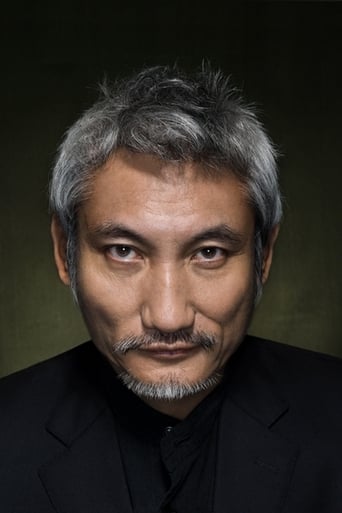
Σκηνοθεσία Tsui Hark
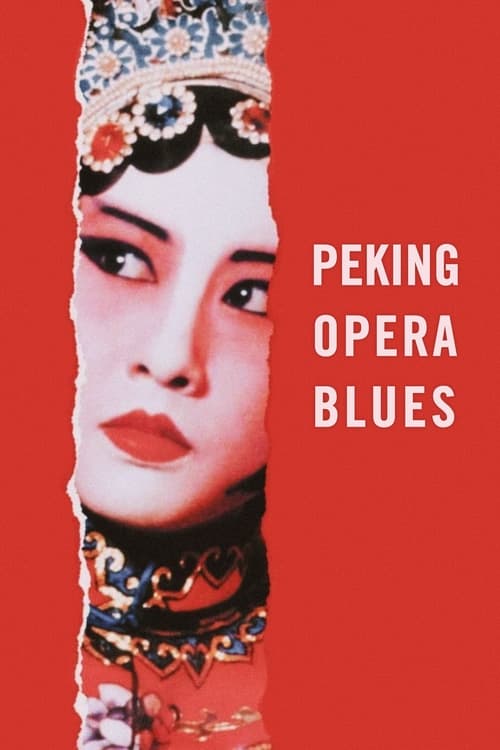
Peking Opera Blues
Ξέφρενη ταινία δράσης με διθυραμβικές κριτικές
Στο Πεκίνο του 1913, τρεις δυναμικές γυναίκες -η μεταμφιεσμένη επαναστάτρια Τσαο Βαν, η κυνηγός θησαυρών Σιουνγκ Χουνγκ και η κληρονόμος της όπερας Παι Νιου- ξεκινούν μια τολμηρή αποστολή γεμάτη ίντριγκες και προδοσία, αμφισβητώντας κοινωνικούς κανόνες εν μέσω πολιτικής αναταραχής και του ζωντανού κόσμου της Όπερας του Πεκίνου.
Η «Μπλουζ της Όπερας του Πεκίνου» δεν παίζεται σε κινηματογράφους αυτή τη στιγμή.
Ακολούθησε την ταινία στην εφαρμογή για ειδοποίηση όταν προστεθούν προβολές.
Προβολές για Μπλουζ της Όπερας του Πεκίνου, ενημερωμένες κάθε πρωί
Διάλεξε σινεμά και πάρε υπενθύμιση πριν κατέβει.
A scene where three women have a sleepover and discuss how they are going to kill a General is basically my ideal cinema

The theater backdrop and its own set of internal rules are a perfect setting for an intersection of revolutionary politics and gender roles. Everyone is engaged in one kind of performance or another, and even the action scenes hurtle through the levels of the set. This movie is just constantly exposing new layers and reconfiguring itself.

Agitpop cinema. Let's put a show, kill the general, and bringing down the order (and some genre/gender barriers along the way). Tsui of nationalistic awe and punk suspicion at tradition (here in the figure of the Peking Opera inside the text and the multiple East/West cultural references throughout). Tsui and Oswald de Andrade would have a lot to talk of cultural anthropophagy and imperialism. Climax includes the best imagined version of the Odessa steps scene.
Στο Πεκίνο του 1913, τρεις δυναμικές γυναίκες -η μεταμφιεσμένη επαναστάτρια Τσαο Βαν, η κυνηγός θησαυρών Σιουνγκ Χουνγκ και η κληρονόμος της όπερας Παι Νιου- ξεκινούν μια τολμηρή αποστολή γεμάτη ίντριγκες και προδοσία, αμφισβητώντας κοινωνικούς κανόνες εν μέσω πολιτικής αναταραχής και του ζωντανού κόσμου της Όπερας του Πεκίνου.
Η «Μπλουζ της Όπερας του Πεκίνου» είναι σε σκηνοθεσία Tsui Hark.
Στην «Μπλουζ της Όπερας του Πεκίνου» πρωταγωνιστούν Brigitte Lin, Sally Yeh Chian-Wen, Cherie Chung Cho-Hung, Mark Cheng, Cheung Kwok-Keung.
Η «Μπλουζ της Όπερας του Πεκίνου» έχει βαθμολογία 4.1 στα 5, βάσει 13.999 αξιολογήσεων στο Letterboxd.