





A scene where three women have a sleepover and discuss how they are going to kill a General is basically my ideal cinema
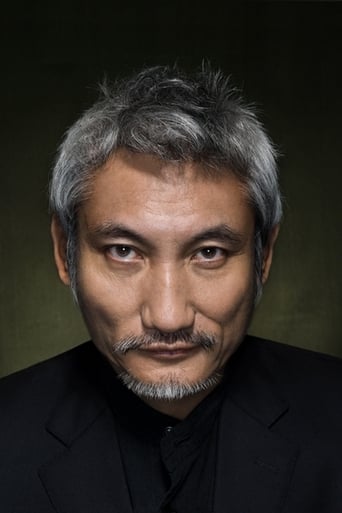
Directed by Tsui Hark
刀馬旦
A critically acclaimed, high-energy action film.
In 1913 Beijing, three fierce women—disguised rebel Tsao Wan, jewel-seeking Sheung Hung, and opera heiress Pai Niu—embark on a daring quest filled with intrigue and betrayal, challenging societal norms amidst political turmoil and the vibrant world of Peking Opera.
Peking Opera Blues isn't screening in cinemas right now.
Follow the film in the app to get notified when showtimes are added.
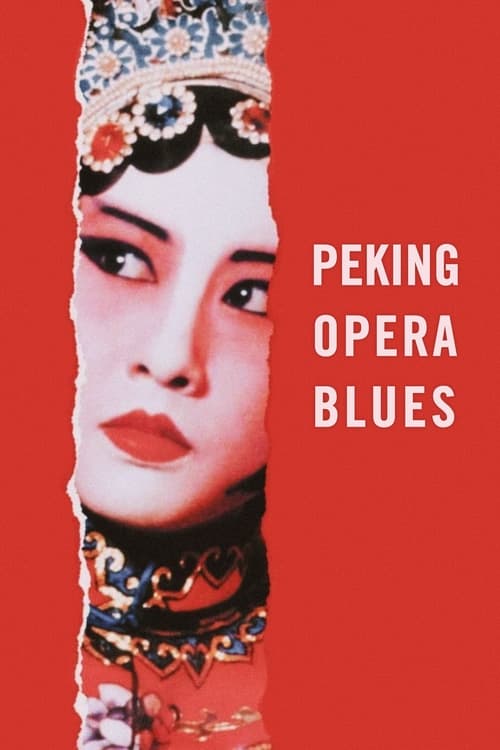
Peking Opera Blues showtimes, refreshed every morning
Pick your cinema, get a nudge before it leaves screens.
A scene where three women have a sleepover and discuss how they are going to kill a General is basically my ideal cinema

The theater backdrop and its own set of internal rules are a perfect setting for an intersection of revolutionary politics and gender roles. Everyone is engaged in one kind of performance or another, and even the action scenes hurtle through the levels of the set. This movie is just constantly exposing new layers and reconfiguring itself.

Agitpop cinema. Let's put a show, kill the general, and bringing down the order (and some genre/gender barriers along the way). Tsui of nationalistic awe and punk suspicion at tradition (here in the figure of the Peking Opera inside the text and the multiple East/West cultural references throughout). Tsui and Oswald de Andrade would have a lot to talk of cultural anthropophagy and imperialism. Climax includes the best imagined version of the Odessa steps scene.
Set in 1913 Beijing, three women from different walks of life cross paths and entangle themselves in a high-stakes conspiracy involving political corruption and the local opera house.
It was directed by renowned filmmaker Tsui Hark in 1986 as a defining work of Hong Kong cinema.
While it did not sweep major Western ceremonies, it remains widely celebrated by critics and audiences as a classic masterwork of its era.