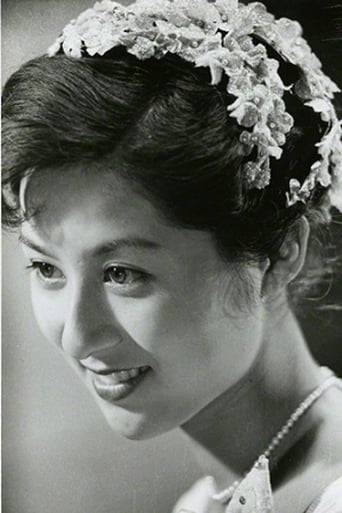
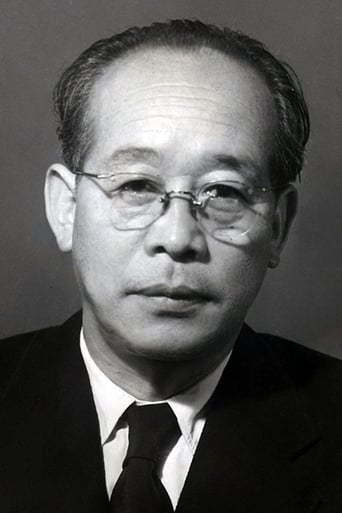
Kaneto Shindō
Regisseur:in
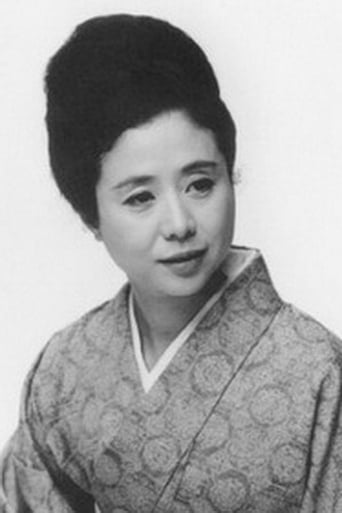
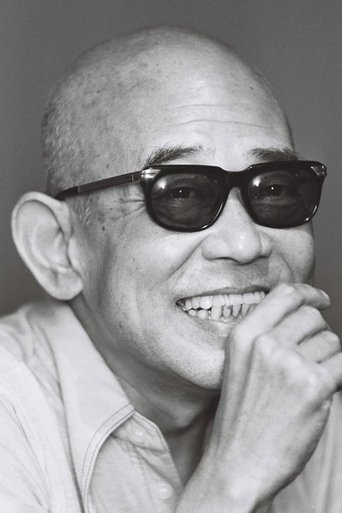
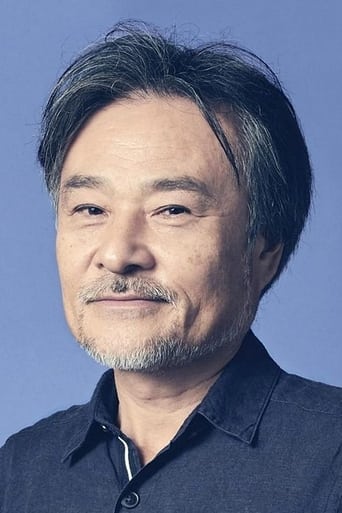
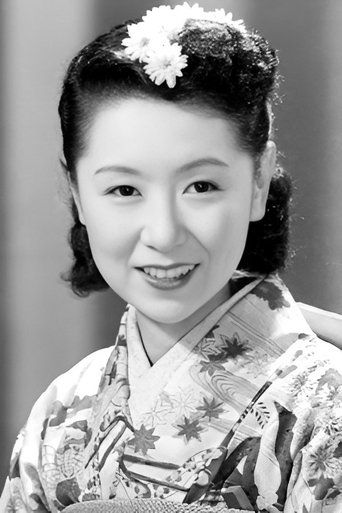
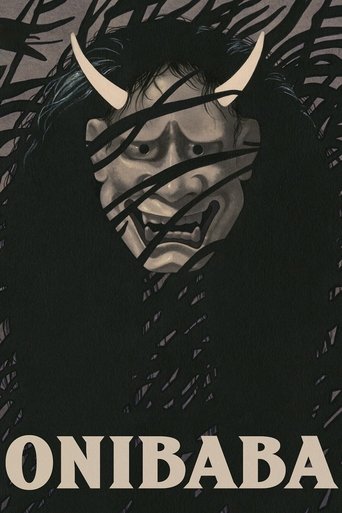
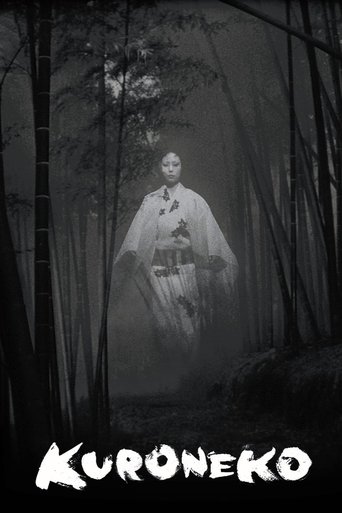
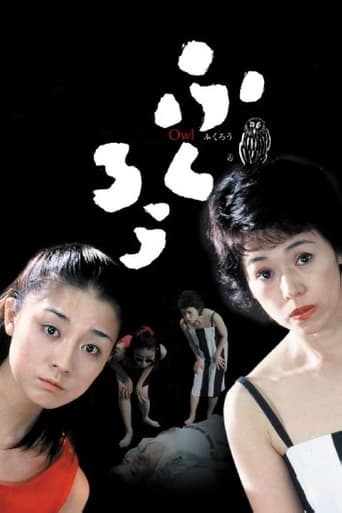
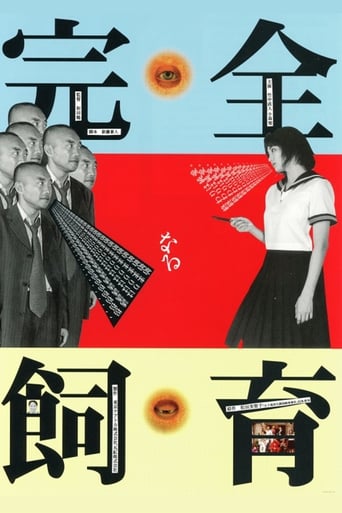
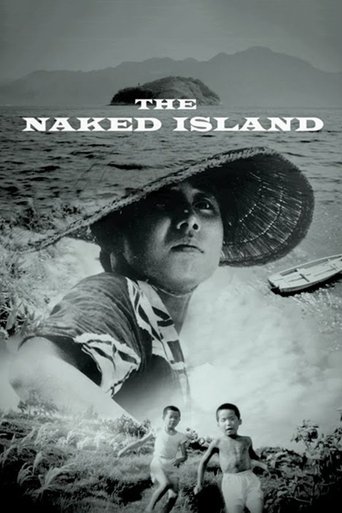
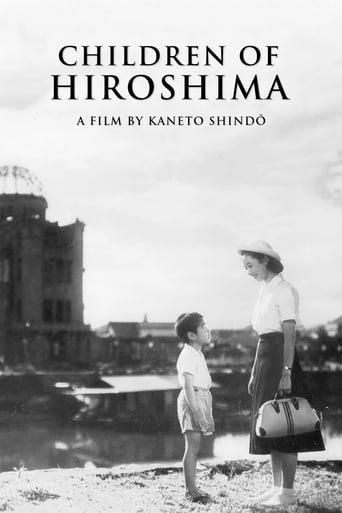
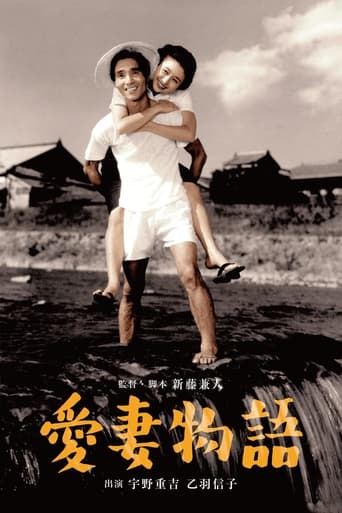
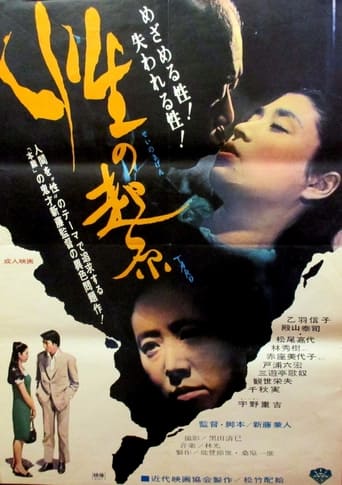
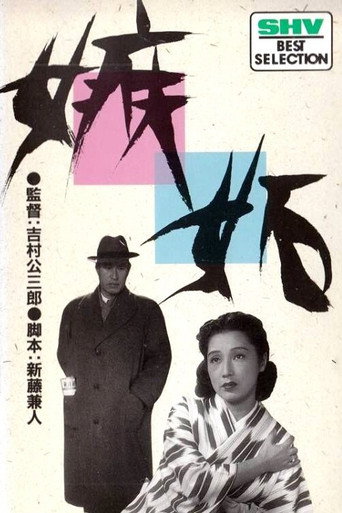
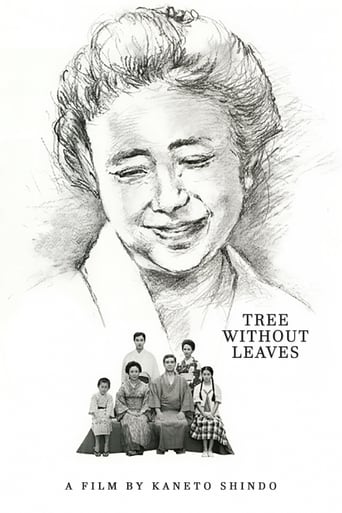
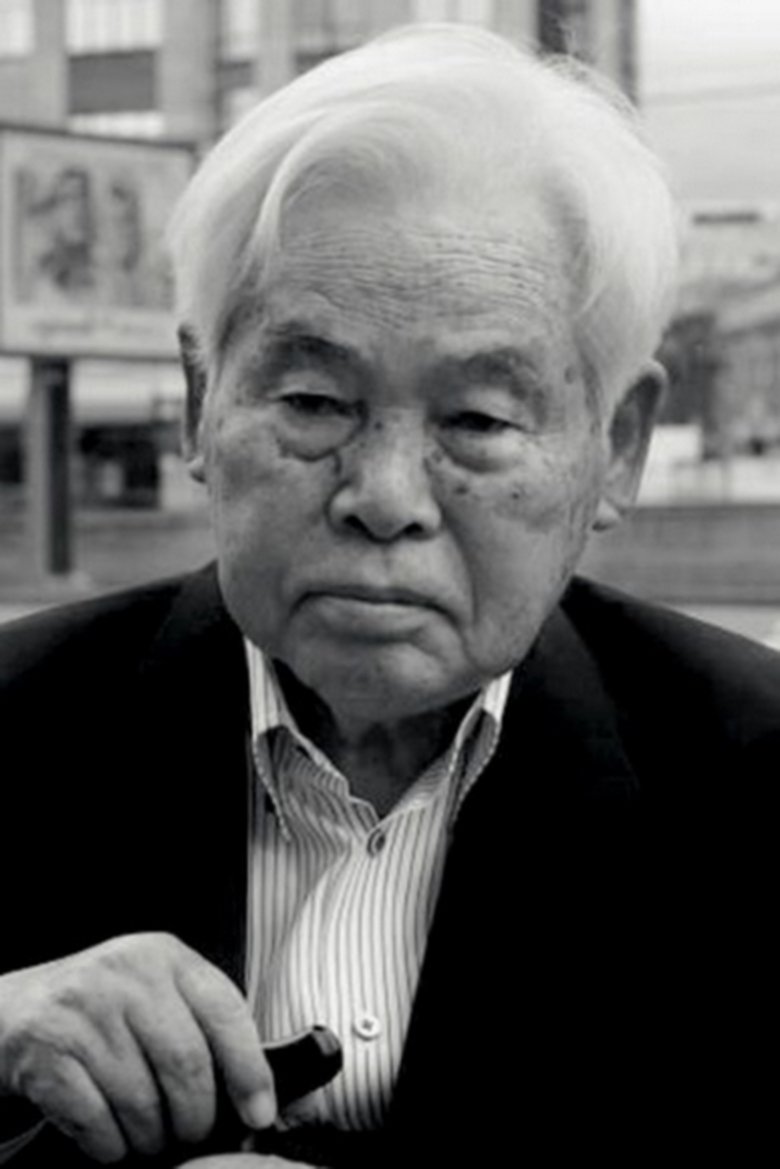
Kaneto Shindo (新藤 兼人, Shindō Kaneto, April 22, 1912 – May 29, 2012) was a Japanese film director, screenwriter, film producer, and author. He was married to actress Nobuko Otowa (1925–1994), who appeared in several of his films. He directed 48 films and wrote scripts for 238. His best known films as a director include Children of Hiroshima, The Naked Island, Onibaba, Kuroneko and A Last Note. His scripts were filmed by such directors as Kon Ichikawa, Keisuke Kinoshita, Fumio Kamei and Tadashi Imai. He won the 1996 Japan Academy Prize for Director of the Year for A Last Note. Shindo was born in Hiroshima Prefecture, and he made several films about Hiroshima and the atomic bomb. Like his early mentor Kenji Mizoguchi, many of his films feature strong female characters. He was a pioneer of independent film production in Japan, founding a company called Kindai Eiga Kyokai. He continued working as a scriptwriter, director and author until his death at the age of 100. Shindo made a series of autobiographical films, beginning with the first film he directed, 1951's Story of a Beloved Wife, about his struggle to become a screenwriter, through 1986's Tree Without Leaves, about his childhood, born into a wealthy family which became destitute, 2000's By Player, about his film company, seen through the eyes of his friend Taiji Tonoyama, and his last film, Postcard, directed at the age of 98, loosely based on his military service. Description above from the Wikipedia article Kaneto Shindō, licensed under CC-BY-SA, full list of contributors on Wikipedia
Filme von Kaneto Shindō, die jetzt laufen
Läuft jetzt2
Filmografie von Kaneto Shindō
Filmografie211




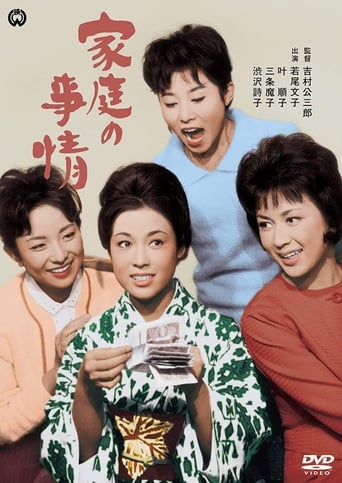
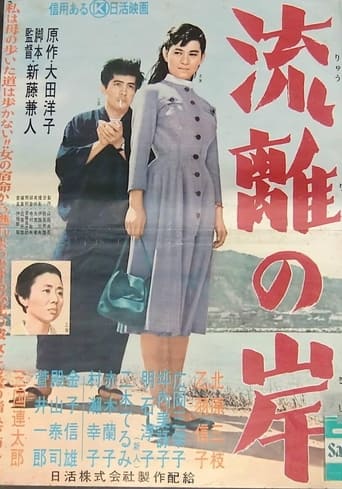
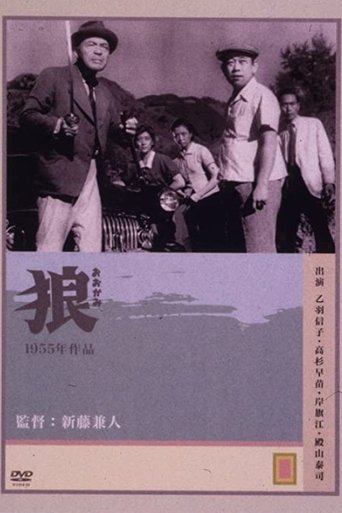
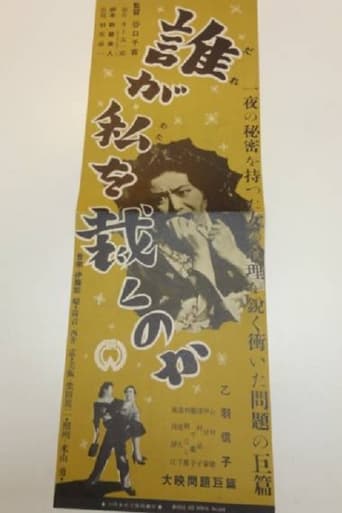
Erfahre, wann der nächste Film von Kaneto Shindō startet
Einmal folgen - wir sagen dir Bescheid, sobald er ins Kino kommt.


Häufige Fragen
Wer ist Kaneto Shindo?+
Kaneto Shindo war ein wegweisender japanischer Filmregisseur und Drehbuchautor, der die unabhängige Produktionsfirma Kindai Eiga Kyokai mitbegründete und eine über sechzigjährige, produktive Karriere verzeichnete.
Wofür ist Kaneto Shindo bekannt?+
Er ist vor allem bekannt für die Regie atmosphärischer und karger Meisterwerke wie Die nackte Insel, Onibaba und Kuroneko sowie für das Schreiben hunderter Drehbücher.
Welche Art von Filmen macht Kaneto Shindo?+
Sein Schaffen umfasst strenge Arthouse-Dramen, Folklore-Horror und sozialkritische Filme über die Nachwirkungen von Hiroshima sowie starke Frauenfiguren. Komplette Filmografie auf Mood.