Kinuyo Tanaka
Ηθοποιός
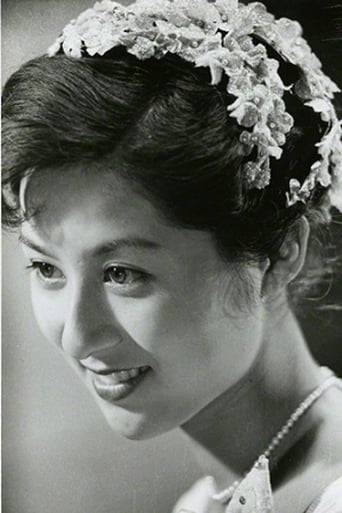
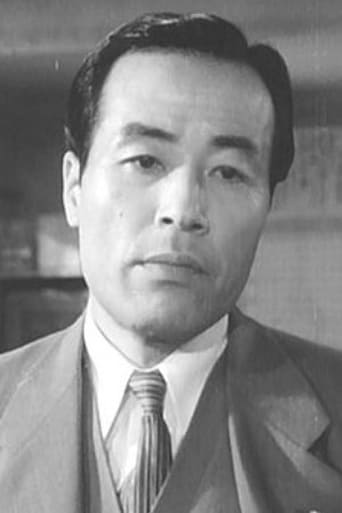
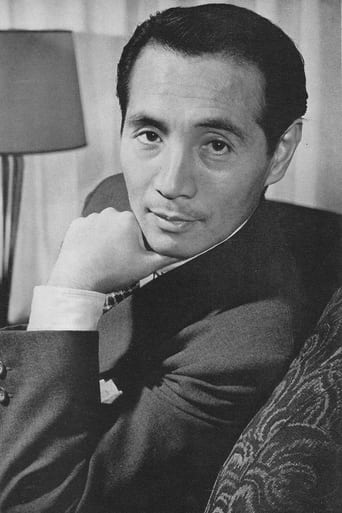
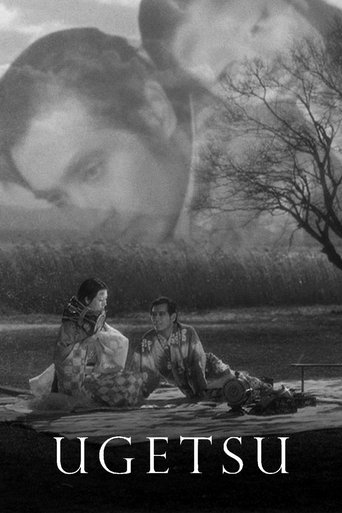
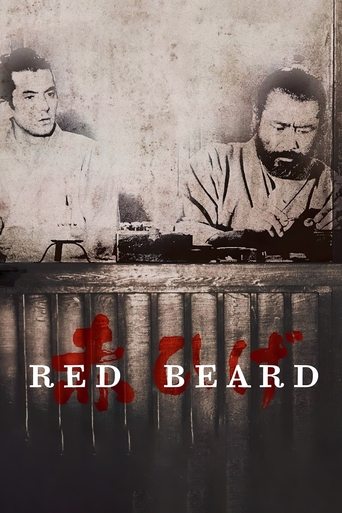
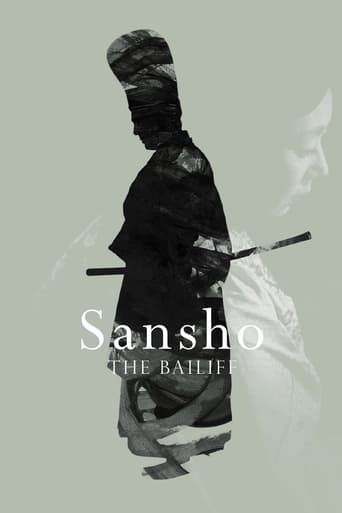
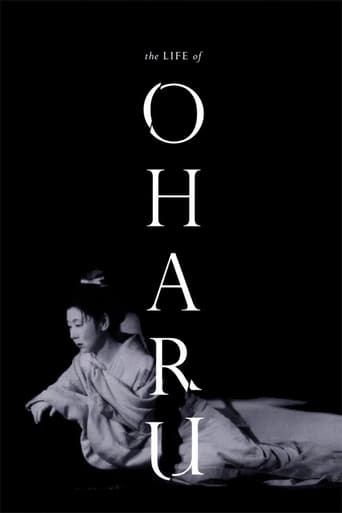
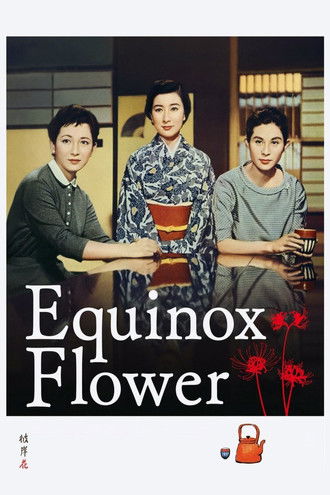
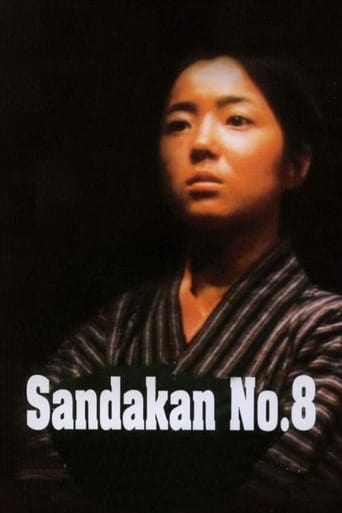
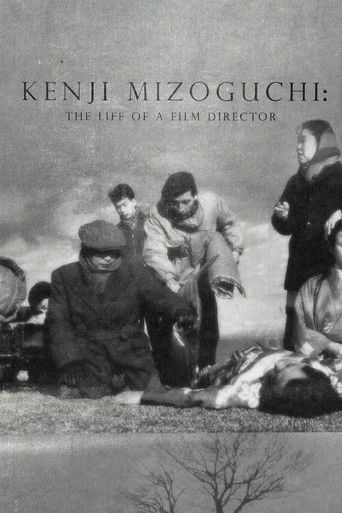
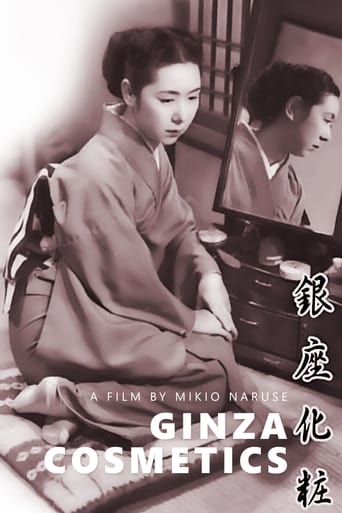
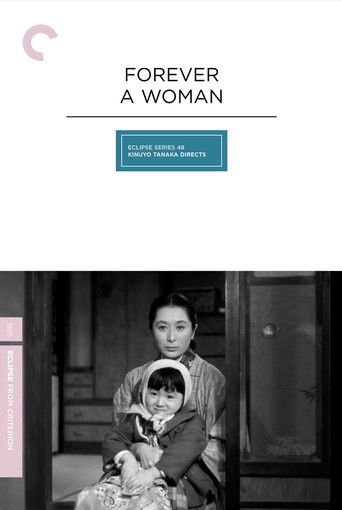
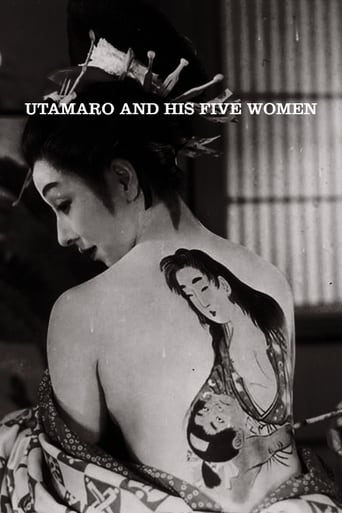
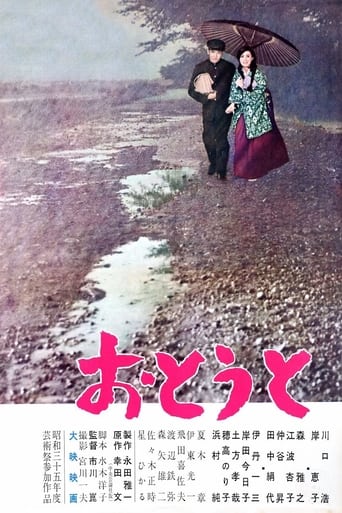
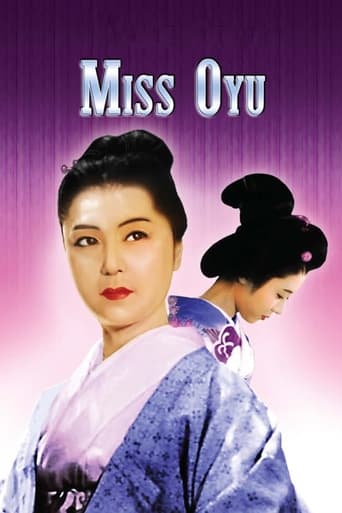
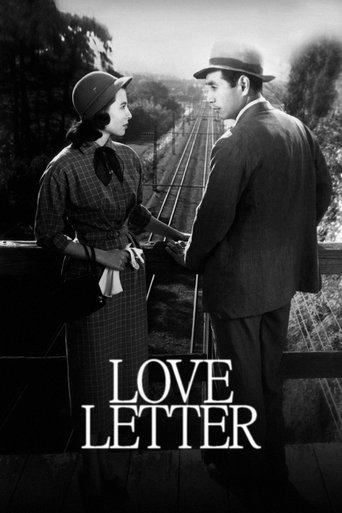
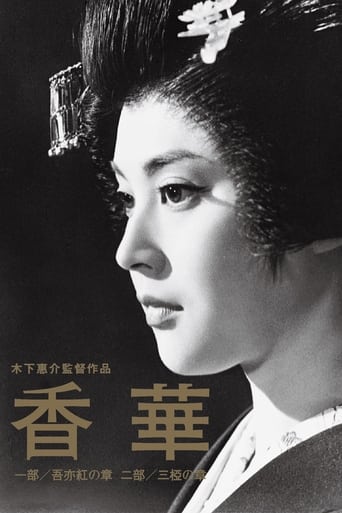
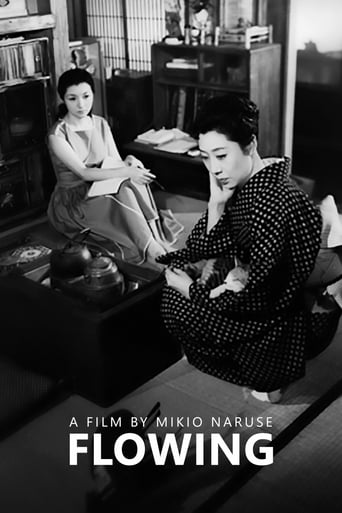
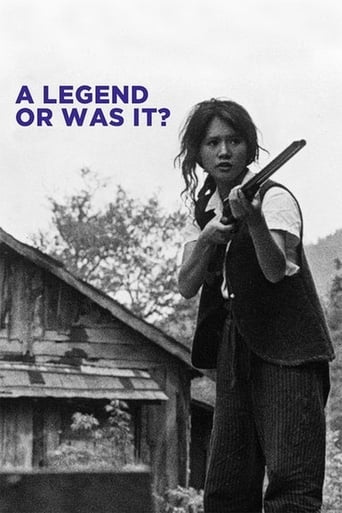
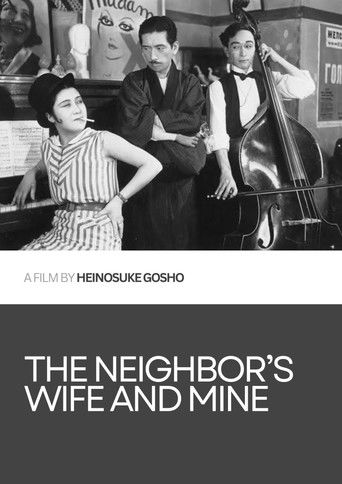
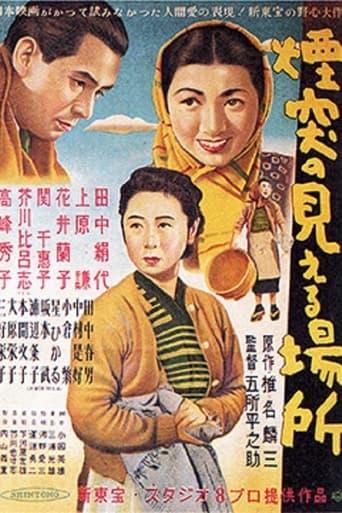
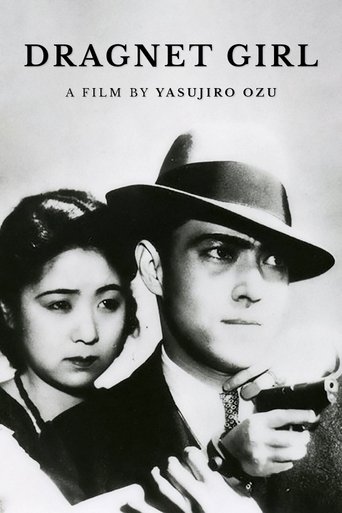
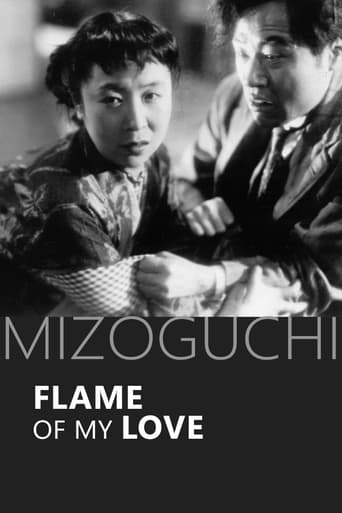
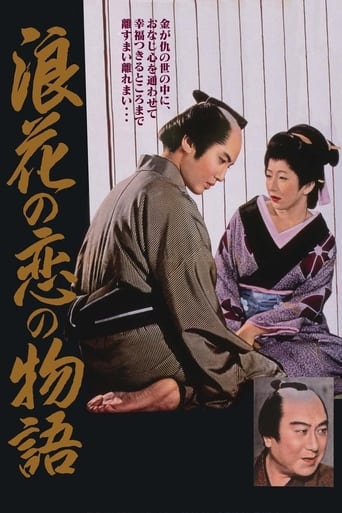
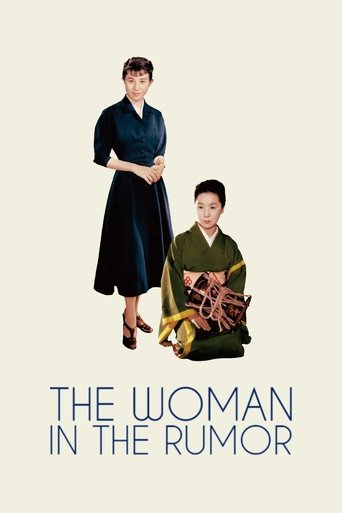
Kinuyo Tanaka (田中 絹代 Tanaka Kinuyo, 29 November 1909 – 21 March 1977) was a Japanese actress and director. Tanaka was born in Shimonoseki, Yamaguchi Prefecture, Japan. She became a leading actress at seventeen years old, appearing in Heinosuke Gosho's An Embarrassing Dream in 1927. She proceeded to take leading parts in, among others, Yasujirō Ozu's I Graduated, But... in 1929, Gosho's Aiyoku no ki in 1930, and in 1931, Japan's first talkie, The Neighbor's Wife and Mine, directed by Gosho. She had a close working relationship with director Kenji Mizoguchi, having parts in 15 of his films, including leading roles in The Life of Oharu (1952), Ugetsu (1953) and Sansho the Bailiff (1954). Their working relationship ended when Mizoguchi countered a recommendation from the Directors Guild of Japan for the Nikkatsu studio to hire her as a director. Despite this, the production of her second film as director went ahead, but Tanaka never forgave Mizoguchi, and the reasons for his behaviour are unclear. She also played Noboru Yasumoto's mother in Akira Kurosawa's Red Beard (1965). For her portrayal in Kei Kumai's Sandakan N° 8 she won the Best Actress Award at the 25th Berlin International Film Festival in 1975. Her last screen appearance was in 1976 in Kei Kumai's Kita No Misaki. Tanaka was the second Japanese woman who worked as a film director, after Sakane Tazuko (1904‐1975). Her first directing job was on the film Love Letter in 1953, and she made five further films in that role.
Ταινίες με Kinuyo Tanaka που παίζονται τώρα
Παίζει τώρα1
Φιλμογραφία Kinuyo Tanaka
Φιλμογραφία228


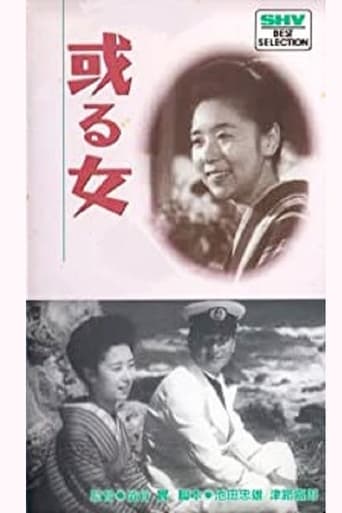
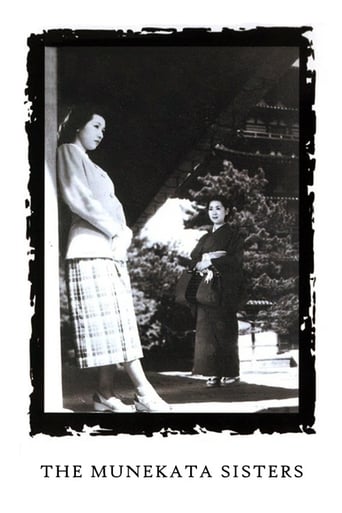
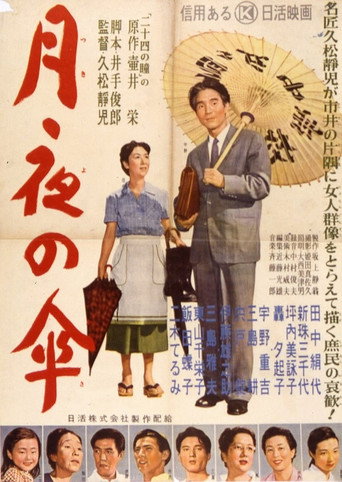
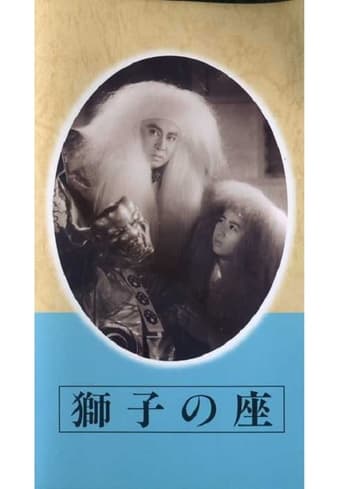
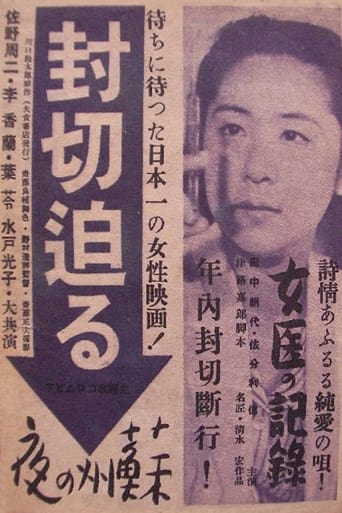
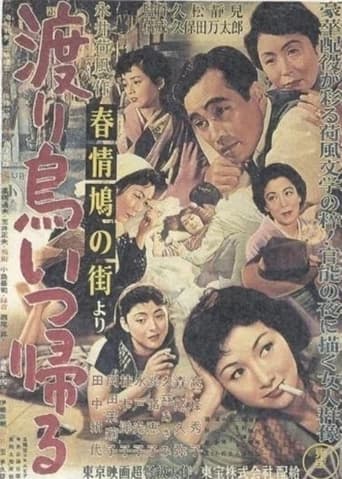
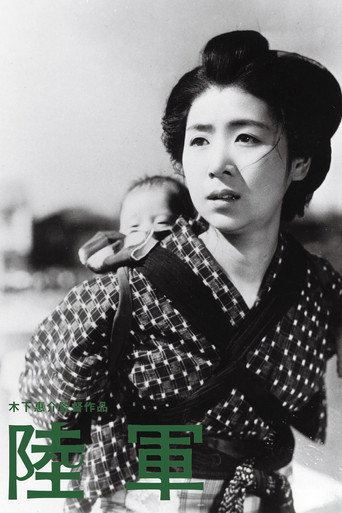


Μάθε πότε βγαίνει η επόμενη ταινία: Kinuyo Tanaka
Κάνε follow και θα σου πούμε μόλις φτάσει στα σινεμά.


Συχνές ερωτήσεις
Ποια είναι η Kinuyo Tanaka;+
Η Kinuyo Tanaka υπήρξε θρυλική Ιαπωνίδα ηθοποιός και σκηνοθέτης με καριέρα άνω των πέντε δεκαετιών, η οποία ξεκίνησε ως πρωταγωνίστρια στα στούντιο Shōchiku προτού στραφεί στη σκηνοθεσία, αναδεικνυόμενη σε μία από τις πρώτες γυναίκες σκηνοθέτες της Ιαπωνίας.
Για ποιον λόγο είναι γνωστή η Kinuyo Tanaka;+
Αναγνωρίζεται διεθνώς για τις δυνατές ερμηνείες της σε αριστουργήματα όπως τα Ugetsu, The Life of Oharu και Sansho the Bailiff, καθώς και για τη σκηνοθεσία έξι ταινιών μεγάλου μήκους, συμπεριλαμβανομένου του Love Letter.
Τι είδους έργα δημιουργούσε η Kinuyo Tanaka;+
Ως σκηνοθέτης, επικεντρώθηκε σε λεπτομερείς κοινωνικές δραματικές ταινίες που εξερευνούσαν τους ρόλους των φύλων, τις ερωτικές σχέσεις και το μεταπολεμικό ιαπωνικό κοινωνικό τοπίο.