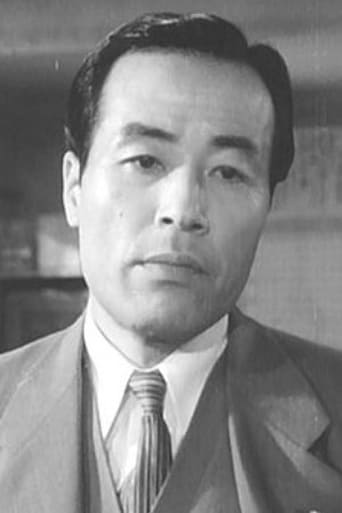
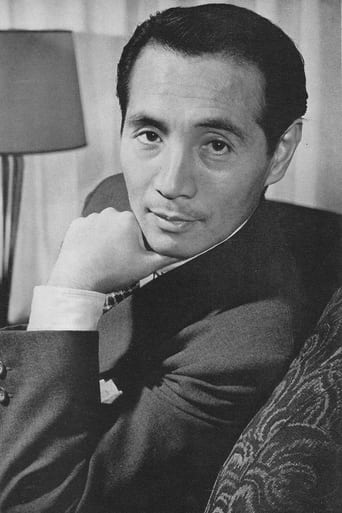
Kinuyo Tanaka
Acteur
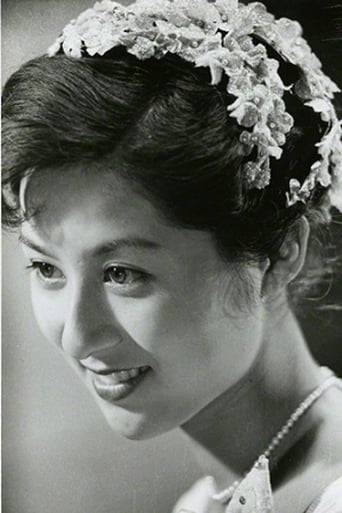
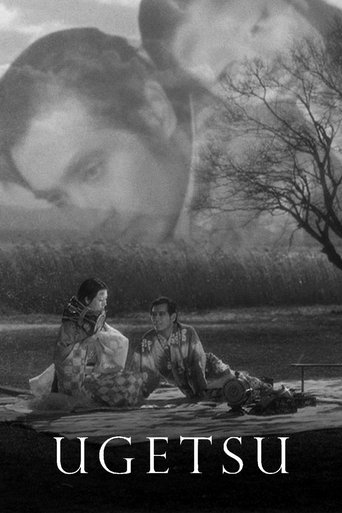
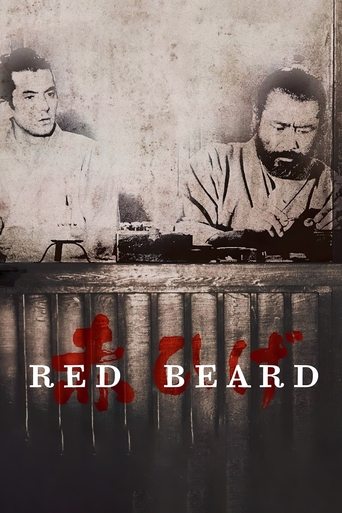
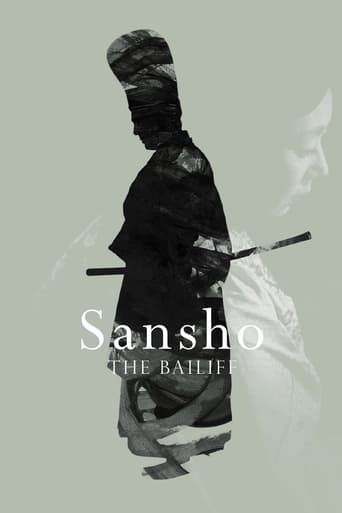
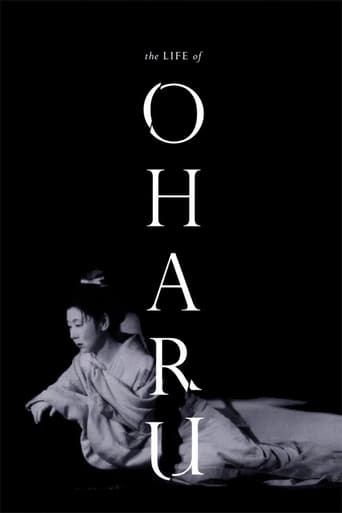
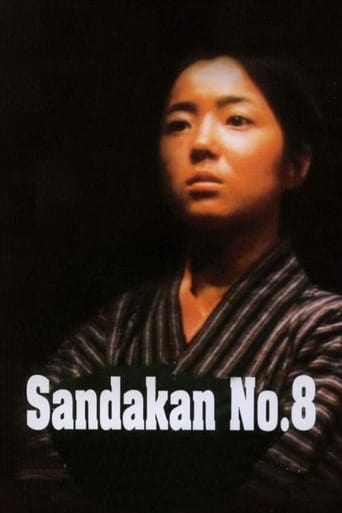
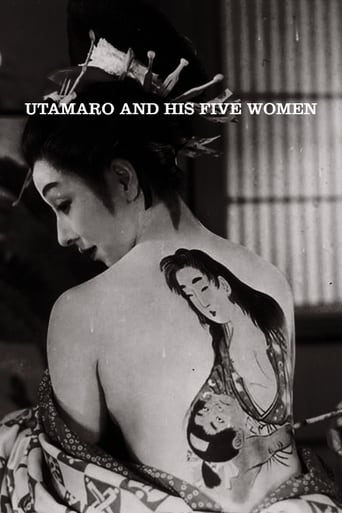
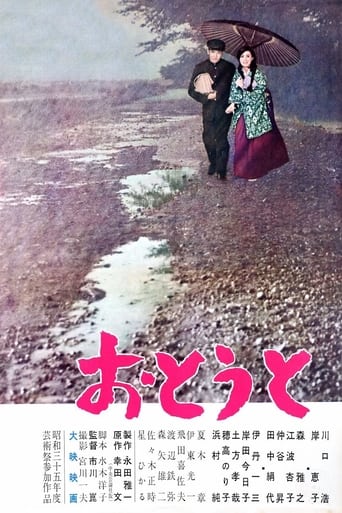
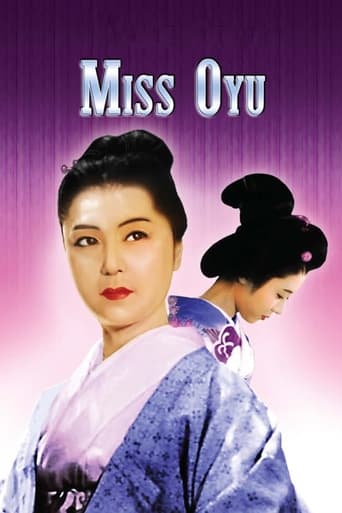
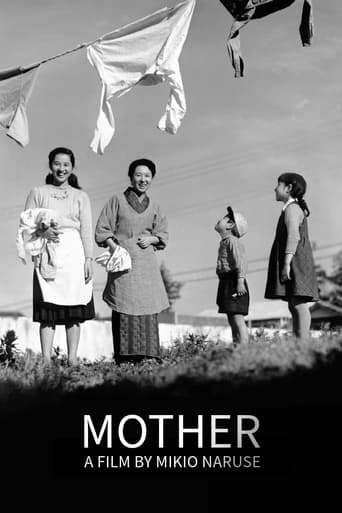
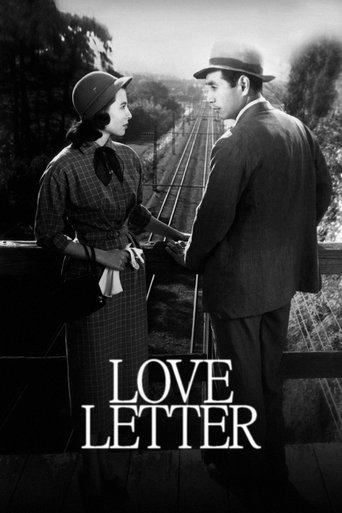
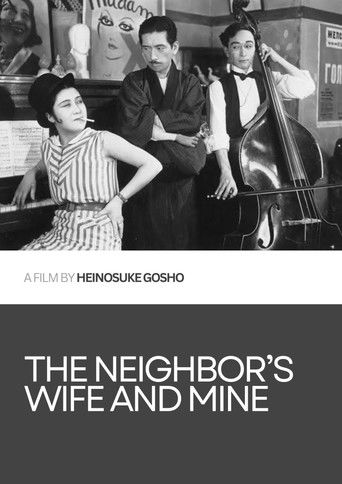
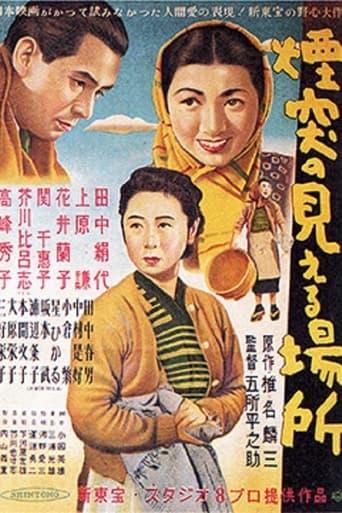
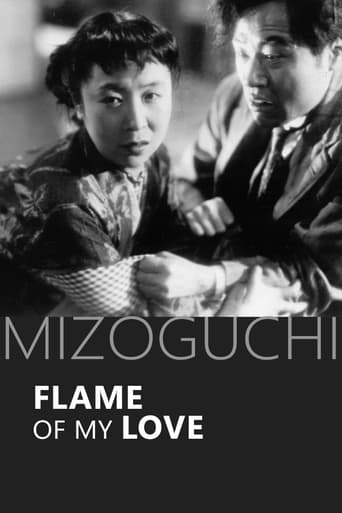
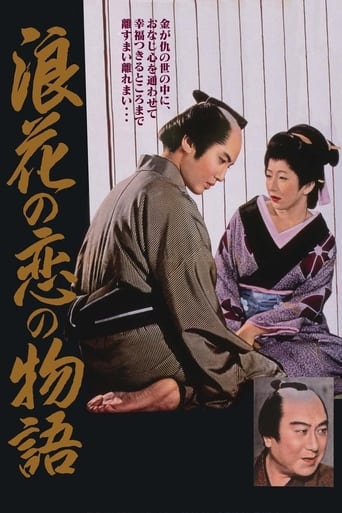
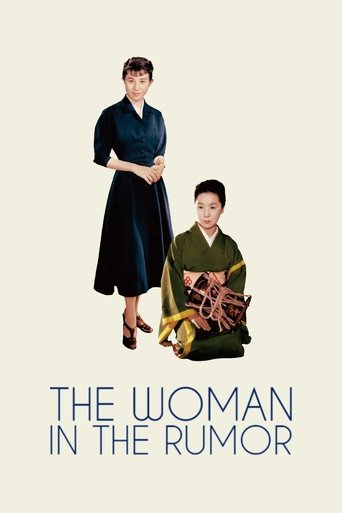
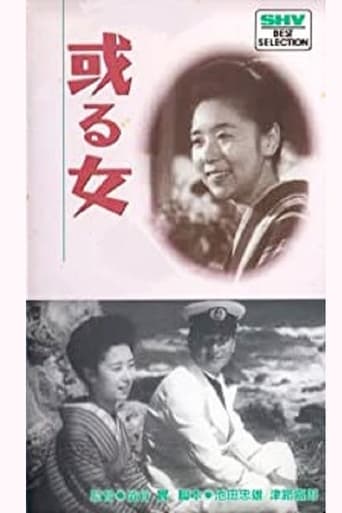
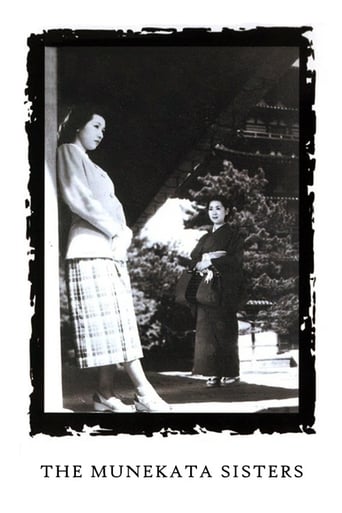
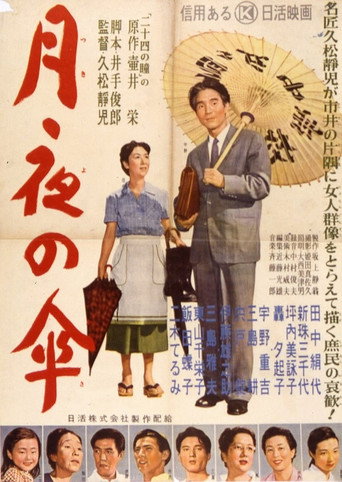
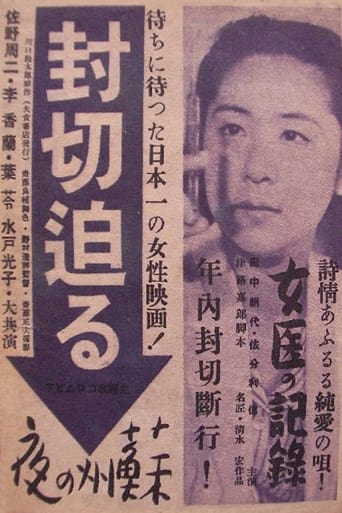
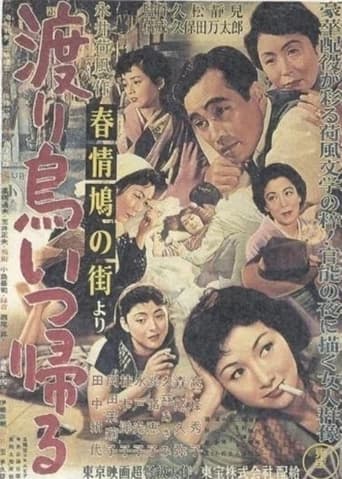
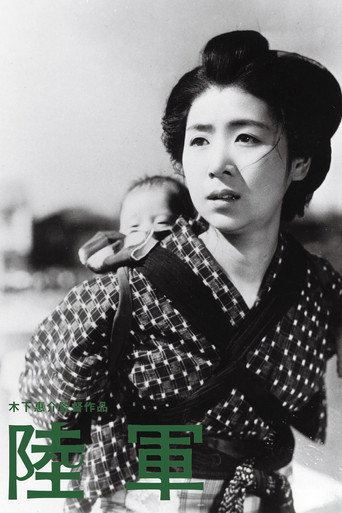
Kinuyo Tanaka (田中 絹代 Tanaka Kinuyo, 29 November 1909 – 21 March 1977) was a Japanese actress and director. Tanaka was born in Shimonoseki, Yamaguchi Prefecture, Japan. She became a leading actress at seventeen years old, appearing in Heinosuke Gosho's An Embarrassing Dream in 1927. She proceeded to take leading parts in, among others, Yasujirō Ozu's I Graduated, But... in 1929, Gosho's Aiyoku no ki in 1930, and in 1931, Japan's first talkie, The Neighbor's Wife and Mine, directed by Gosho. She had a close working relationship with director Kenji Mizoguchi, having parts in 15 of his films, including leading roles in The Life of Oharu (1952), Ugetsu (1953) and Sansho the Bailiff (1954). Their working relationship ended when Mizoguchi countered a recommendation from the Directors Guild of Japan for the Nikkatsu studio to hire her as a director. Despite this, the production of her second film as director went ahead, but Tanaka never forgave Mizoguchi, and the reasons for his behaviour are unclear. She also played Noboru Yasumoto's mother in Akira Kurosawa's Red Beard (1965). For her portrayal in Kei Kumai's Sandakan N° 8 she won the Best Actress Award at the 25th Berlin International Film Festival in 1975. Her last screen appearance was in 1976 in Kei Kumai's Kita No Misaki. Tanaka was the second Japanese woman who worked as a film director, after Sakane Tazuko (1904‐1975). Her first directing job was on the film Love Letter in 1953, and she made five further films in that role.
Films van Kinuyo Tanaka die nu draaien
Nu te zien1
Filmografie van Kinuyo Tanaka
Filmografie228



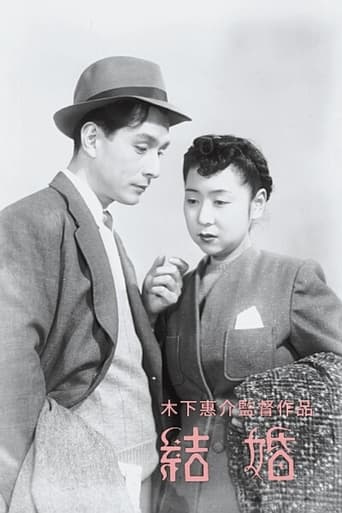


Weet wanneer de volgende film van Kinuyo Tanaka uitkomt
Volg één keer, wij laten het weten zodra hij in de bioscoop draait.


Veelgestelde vragen
Wie is Kinuyo Tanaka?+
Kinuyo Tanaka was een legendarische Japanse actrice en regisseur met een carrière van meer dan vijftig jaar. Zij begon als ster bij de Shōchiku-studio's en ontwikkelde zich tot een van de eerste vrouwelijke filmregisseurs van Japan.
Waar staat Kinuyo Tanaka om bekend?+
Zij wordt internationaal geprezen om haar indrukwekkende hoofdrollen in meesterwerken als Ugetsu, Het leven van Oharu en Sansho de baljuw, en om haar regie van zes speelfilms, waaronder Love Letter.
Wat voor soort werk maakt Kinuyo Tanaka?+
Als regisseur richtte zij zich op gelaagde sociaal-realistische drama's over genderrollen, romantische verwikkelingen en het naoorlogse Japanse maatschappelijke landschap.