

very unsettling, specifically with sound. lots of very eerie noises going on throughout the entire thing. never felt like i was being talked down to either. a refreshingly nuanced take on greed. ceramics!
Χρησιμοποιούμε cookies για να προσαρμόζουμε την εμπειρία σου και να μετράμε την επισκεψιμότητα. Μπορείς να εξαιρεθείς όποτε θέλεις.
Σκηνοθεσία Kenji Mizoguchi
Ugetsu
Θρυλική, ατμοσφαιρική ταινία φαντασίας
Στην Ιαπωνία του 16ου αιώνα, δύο φιλόδοξοι αγρότες επιθυμούν να αλλάξουν την τύχη τους. Ο αγγειοπλάστης Genjuro αποφασίζει να πάει στο Κιότο και να πουλήσει τα εμπορεύματά του, ενώ ο γαμπρός του Tobei αποφασίζει να γίνει Σαμουράι. Εξαιτίας του εμφυλίου πολέμου, το χωριό τους σύντομα καταστρέφεται από τους επιδρομικούς στρατούς και ο Genjuro επιζεί ως εκ θαύματος. Και οι δύο παίρνουν τις γυναίκες τους και κατευθύνονται προς την πόλη. Στη συνέχεια, ο Genjuro στέλνει τη σύζυγό του πίσω στο σπίτι, και της υπόσχεται πως θα επιστρέψει σύντομα, ενώ ο Tobei, εγκαταλείπει τη σύζυγό του για να γίνει Σαμουράι. Εν τω μεταξύ, μια πλούσια ευγενής γυναίκα, η λαίδη Wakasa, δείχνει ενδιαφέρον για τα προϊόντα του Genjuro, και τον προσκαλεί στο μέγαρό της.
Δεν υπάρχουν προβολές της «Ουγκέτσου Μονογκατάρι» στο Λος Άντζελες σήμερα.
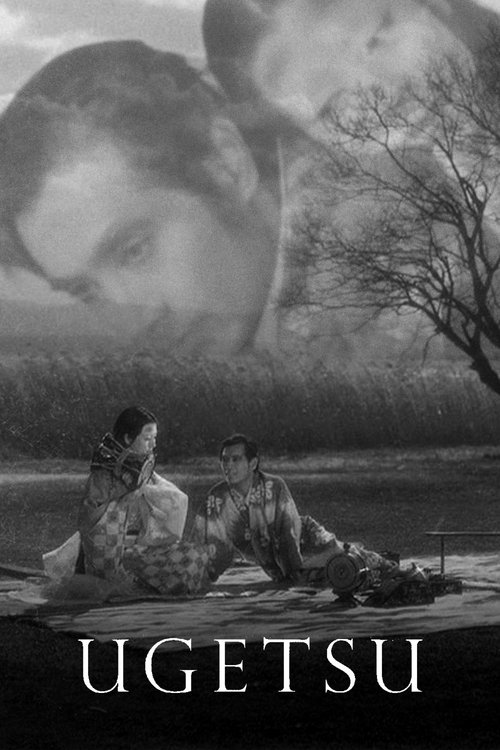
Προβολές για Ουγκέτσου Μονογκατάρι, ενημερωμένες κάθε πρωί
Διάλεξε σινεμά και πάρε υπενθύμιση πριν κατέβει.


very unsettling, specifically with sound. lots of very eerie noises going on throughout the entire thing. never felt like i was being talked down to either. a refreshingly nuanced take on greed. ceramics!

🎧don't go chasin waterfallsa sex ghost waiting at the end will seduce you🎤

Weep. Ugetsu is Mizoguchi's horror film, a nightmare across this life and the next. A man, dirtied and shirtless, wanders across a burnt landscape. Ugetsu draws on folklore and classic Japanese literature to produce quintessential jidaigeki cinema. It is a departure from Mizoguchi's earlier work, being more expansive and complete, beyond just the humiliation and pain of women. The Life of Oharu represented his previous style perfected. But this is beyond, travelling to the abstract.Ugetsu is morally and socially complex, with a heart that blackens as it struggles to maintain righteousness. It is about the ethics of war, especially the way women suffer. It is filled with needless, pointless deaths, carried out by unnamed, ubiquitous soldiers. In many ways Ugetsu becomes itself a metaphor for a society that just went through World War Two, however it is also so much more. It is about becoming selfish, with war and money both responsible for changing people. A man obsessed with money will risk life for it. In the feudal capitalist world of Ugetsu, poverty and pain dominate. Kimonos become a materialist sign, used as a status symbol. Yet such joys are fleeting. Success for a poor man concurs with suffering for a poor wife. Life is always two sides at once. All that you have is taken from somebody else.Mizoguchi's merges dreams into Ugetsu. It is not a film set in reality. It is haunted with a ghostly presence. It is an endless sea of fog and loneliness. A woman must die to save a man. Ugetsu is about nights spent with the spirits, men resting on the bones of those who suffered, of those worth nothing. For those who are dead are those we consider worthless. This film of wise women and foolish men is filled with deceit. These ignorant souls take advantage of those left behind, the widows and the survivors. They abandon love and family in search of wealth and beauty. A woman damns her husband, screaming pain into the sky. The past is not worth celebrating, for we are only its survivors.Ugetsu tells one of cinema's greatest stories. It emerges like a tapestry, gazing slowly over different parts in a smooth movement. It is a transfer of emotion, taking us through horror, pain, and joy. Though all joy tastes bitter when we unfurl the full picture of Ugetsu. It is the perfect amalgamation of Mizoguchi's thematic tendencies and the best stylings of Japanese cinema's golden age. Ugetsu is constructed with the intelligent, entertaining, broad grace and energy that Kurosawa also imbued within his films. This was an exciting time for cinema, and the old master, Mizoguchi, was still on the forefront on all artistic horizons. The stunning elegance of Ugetsu's cinematography lasts lifetimes. It has sets and locations that have a fairytale quality, yet they are so darkly concocted and drip invisible blood. This is eternal art cinema, transcendent like the spirits.Kenji Mizoguchi RankedMy Top Films of the 1950s
Διαδραματίζεται στην Ιαπωνία του δέκατου έκτου αιώνα σε μια περίοδο εμφυλίου πολέμου, όπου δύο φιλόδοξοι χωρικοί εγκαταλείπουν τις οικογένειές τους για να επιδιώξουν πλούτη και κοινωνική θέση, συναντώντας άθελά τους επικίνδυνες υπερφυσικές και θνητές δοκιμασίες.
Το Ugetsu σκηνοθετήθηκε από τον καταξιωμένο Ιάπωνα δημιουργό Kenji Mizoguchi το 1953.
Ναι, η ταινία κέρδισε τον Αργυρό Λέοντα στο Φεστιβάλ Κινηματογράφου της Βενετίας.