



very unsettling, specifically with sound. lots of very eerie noises going on throughout the entire thing. never felt like i was being talked down to either. a refreshingly nuanced take on greed. ceramics!
We gebruiken cookies om je ervaring persoonlijker te maken en het verkeer te meten. Je kunt je hier altijd voor afmelden.
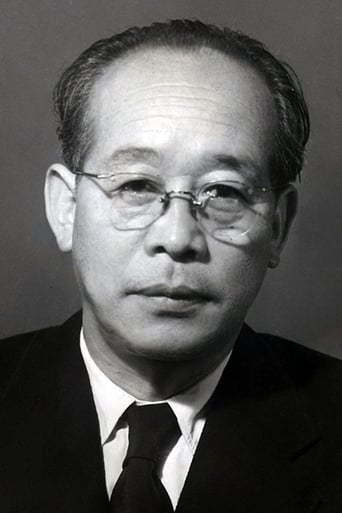
Geregisseerd door Kenji Mizoguchi
雨月物語
An acclaimed, atmospheric fantasy.
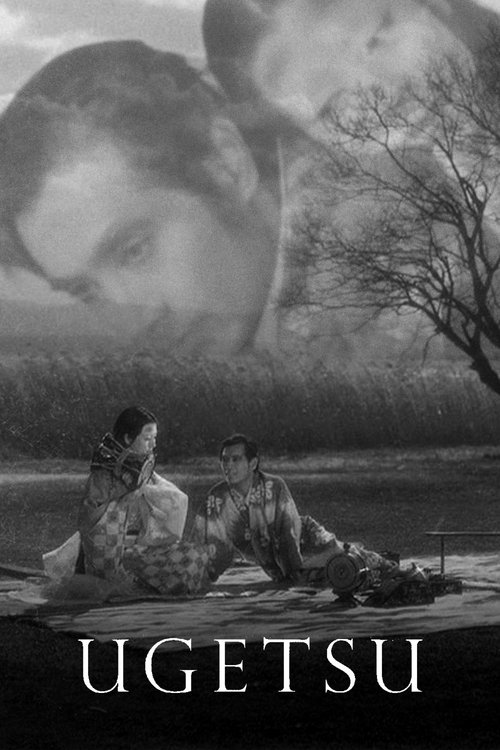
In het Japan van de zestiende eeuw willen twee lijfeigenen rijk worden. De ene, Genjurô, wil als pottenbakker zijn waren gaan verkopen, terwijl de andere, Tôbei, liever samurai wordt.
Vandaag geen speeltijden voor Ugetsu in Los Angeles.
Speeltijden van Ugetsu, elke ochtend ververst
Kies je bioscoop en krijg een seintje voordat de film van het doek verdwijnt.


very unsettling, specifically with sound. lots of very eerie noises going on throughout the entire thing. never felt like i was being talked down to either. a refreshingly nuanced take on greed. ceramics!

🎧don't go chasin waterfallsa sex ghost waiting at the end will seduce you🎤

Weep. Ugetsu is Mizoguchi's horror film, a nightmare across this life and the next. A man, dirtied and shirtless, wanders across a burnt landscape. Ugetsu draws on folklore and classic Japanese literature to produce quintessential jidaigeki cinema. It is a departure from Mizoguchi's earlier work, being more expansive and complete, beyond just the humiliation and pain of women. The Life of Oharu represented his previous style perfected. But this is beyond, travelling to the abstract.Ugetsu is morally and socially complex, with a heart that blackens as it struggles to maintain righteousness. It is about the ethics of war, especially the way women suffer. It is filled with needless, pointless deaths, carried out by unnamed, ubiquitous soldiers. In many ways Ugetsu becomes itself a metaphor for a society that just went through World War Two, however it is also so much more. It is about becoming selfish, with war and money both responsible for changing people. A man obsessed with money will risk life for it. In the feudal capitalist world of Ugetsu, poverty and pain dominate. Kimonos become a materialist sign, used as a status symbol. Yet such joys are fleeting. Success for a poor man concurs with suffering for a poor wife. Life is always two sides at once. All that you have is taken from somebody else.Mizoguchi's merges dreams into Ugetsu. It is not a film set in reality. It is haunted with a ghostly presence. It is an endless sea of fog and loneliness. A woman must die to save a man. Ugetsu is about nights spent with the spirits, men resting on the bones of those who suffered, of those worth nothing. For those who are dead are those we consider worthless. This film of wise women and foolish men is filled with deceit. These ignorant souls take advantage of those left behind, the widows and the survivors. They abandon love and family in search of wealth and beauty. A woman damns her husband, screaming pain into the sky. The past is not worth celebrating, for we are only its survivors.Ugetsu tells one of cinema's greatest stories. It emerges like a tapestry, gazing slowly over different parts in a smooth movement. It is a transfer of emotion, taking us through horror, pain, and joy. Though all joy tastes bitter when we unfurl the full picture of Ugetsu. It is the perfect amalgamation of Mizoguchi's thematic tendencies and the best stylings of Japanese cinema's golden age. Ugetsu is constructed with the intelligent, entertaining, broad grace and energy that Kurosawa also imbued within his films. This was an exciting time for cinema, and the old master, Mizoguchi, was still on the forefront on all artistic horizons. The stunning elegance of Ugetsu's cinematography lasts lifetimes. It has sets and locations that have a fairytale quality, yet they are so darkly concocted and drip invisible blood. This is eternal art cinema, transcendent like the spirits.Kenji Mizoguchi RankedMy Top Films of the 1950s
Tijdens de zestiende eeuw in Japan, midden in een burgeroorlog, verlaten twee ambitieuze boeren hun gezin om rijkdom en aanzien na te jagen, en belanden zo onwetend in gevaarlijke bovennatuurlijke en aardse beproevingen.
Ugetsu werd in 1953 geregisseerd door de geprezen Japanse filmmaker Kenji Mizoguchi.
Ja, de film won de Zilveren Leeuw op het Filmfestival van Venetië.