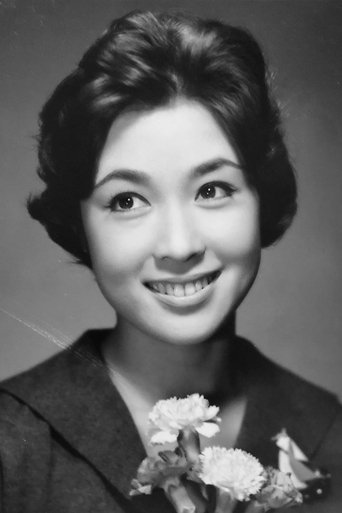


Added to "Yuzo Kawashima, Ranked"Also known as THE GEISHA’S DIARY, still, I much prefer the original direct translation of the film title, WOMEN ARE BORN TWICE. It’s apparently an echo to the famous quote, “One is not born, but rather becomes, a woman” by Simone de Beauvoir in The Second Sex. Instead of ‘becoming’ a woman, Koen, played enchantingly by the irresistible Ayako Wakao, could only fulfill her female embodiment via hinging on men from being a geisha, then temporarily a bar hostess, subsequently a “No. 2” of a married patron (that is, his mistress), and eventually back to her old occupation as a geisha. The film has a relaxing, nearly comedic tone, yet simultaneously underscoring a subtle nuisance through Koen’s unapologetic attitude in sex and men, as well as her numerous encounters with various male figures, from a horny man to a sexually awakened adolescent, from a diligent sushi chef to a possessive construction company boss. There’s no shame in Koen’s behavior, and she needs no pity from the men or the audience. Men are portrayed as either a condescending figure or a patronizing being, they come and goes like a passerby.Yuzo Kawashima‘s direction is masterful, the cinematography is lavished in colours and the set is richly filled with detailed decoration. The diegetic noise, for example, the shine’s drumming sound, the train passing noise, the drilling sound from a construction site, often invading the private space of Koen where she shares intimate moments with various men. It further accentuates the lack of autonomy and freedom in her current situation. The film ends with an ambiguous note, in my opinion, Koen, whose real name is actually Tomoko whilst her parents were killed during air raids in war, suddenly determines to start a new life back in her old town. The last shot is Koen waiting for a train in a train station alone, her future is unforeseeable, it’s neither optimistic nor hopeless. But we know she will survive.