
show this to your kids instead of the cartoon so they'll know that magic is real.
We use cookies to personalize your experience and analyze traffic. You can opt out at any time.

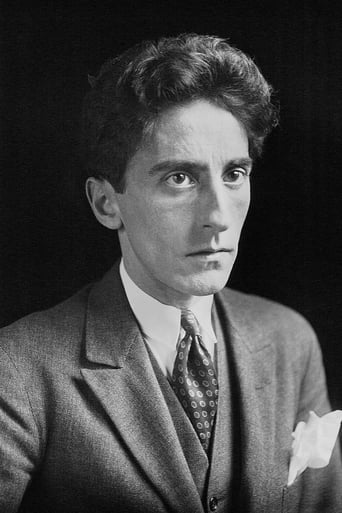
Directed by Jean Cocteau
La Belle et la Bête
An acclaimed, atmospheric drama.
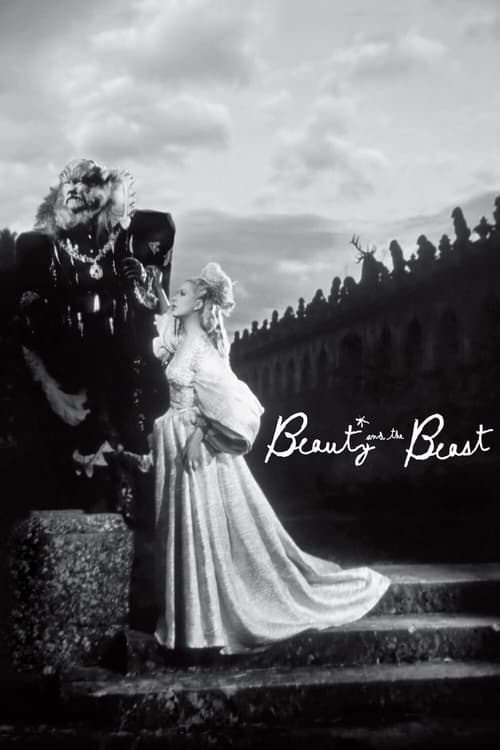
The story of a gentle-hearted beast in love with a simple and beautiful girl. She is drawn to the repellent but strangely fascinating Beast, who tests her fidelity by giving her a key, telling her that if she doesn't return it to him by a specific time, he will die of grief. She is unable to return the key on time, but it is revealed that the Beast is the genuinely handsome one. A simple tale of tragic love that turns into a surreal vision of death, desire, and beauty.
Beauty and the Beast isn't screening in cinemas right now.
Follow the film in the app to get notified when showtimes are added.
Beauty and the Beast showtimes, refreshed every morning
Pick your cinema, get a nudge before it leaves screens.


show this to your kids instead of the cartoon so they'll know that magic is real.

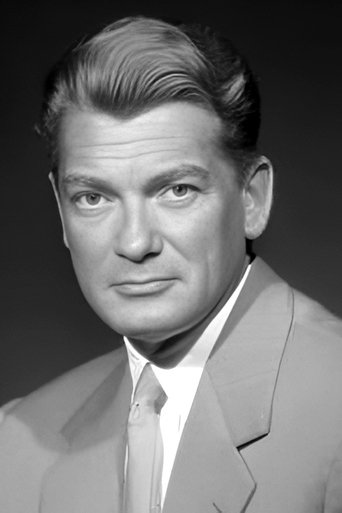
Cleverly maintains its critiques to the end in making the Beast's transformation into that of something even more horrifying despite appearances, and in doing so becomes the definitive adaptation of the tale. Cocteau could have opted to turn him into a conventional human prince as other versions do, but instead the Prince resembles that of her incessant suitor Avenant (played by Jean Marais who also plays the Beast). The film acknowledges this tension in having Belle and the Prince discuss such similarity and in her clear hesitancy towards this development, something she initially says she is disappointed in before saying she is not. In doing so the 'happily ever after' faerie-tale ending is subverted, or at least invites viewer inspection on literary tropes, and the saccharine unease we're left with is only accentuated with the Prince's overly-perfect promises. Is this actually the man that Belle, and the audience, has fallen in love with over the course of the film? One last lingering shot of Avenant-turned-beast suggests a morbid injustice to the whole affair, that the two men have merely been switched and that beasts are fated for persecution. Somehow, despite the Prince baring the true countenance of the actor, the Beast is the being in which meaning lies. Perhaps it is because with all the elaborate costuming covering the entirety of Marais only his eyes, the windows to the soul, remain bare, and indeed he frequently requests that Belle not look him in the eyes. This manifestation, fur and all, is one much more naked and much closer to his soul. It's no surprise that Belle would show disappointment in the Prince, a transformation that is narratively wonderful but a reverse-transfiguration in meaning.As a fellow monster fucker I would be disappointed too.

Oh no. I've turned into one of those dweebs that pushes the glasses up their noses and goes, "Did you know that the English subtitle translation doesn't actually capture the reality of what is being said in the original language?" In the final moments as the Beast asks Belle if he's afraid of her, Belle's response is: "I don't mind being frightened... with you."Which reads like a wishy-washy reading on the Beastly Kinkiness she's admitting to in the final moment. When in reality, she says:"I love to be frightened... with you." Which is a much more definitive statement that tells you more about her. That's a big difference from a character standpoint! And now you know. *resets glasses*Next up, the actual meaning of the last line from Jean-Luc Godard's A WOMAN IS A WOMAN...
A gentle-hearted girl is drawn to a mysterious, cursed Beast who tests her loyalty after she enters his enchanted castle.
Jean Cocteau directed this landmark of French fantasy cinema.
While the core narrative is the same, Cocteau's version is a distinct, surreal piece of visual poetry rather than a musical or standard family feature. Watch it on Mood.