
Beyzaie's female characters are on another level.
Directed by Bahram Beyzai
گفت و گو با باد
An atmospheric, acclaimed fantasy.
An Avant-garde short movie of Bahram Beizai about history of Kish island in south of Iran.
Dialogue with the Wind isn't screening in cinemas right now.
Follow the film in the app to get notified when showtimes are added.
Dialogue with the Wind showtimes, refreshed every morning
Pick your cinema, get a nudge before it leaves screens.


Beyzaie's female characters are on another level.

«مرد یک معاصر است که خلاقیت در او مرده، تولید ندارد، و فقط ساختههای دیگران را میفروشد. او حتى خلاقیت را به یاد نمیآورد. شکستهای تاریخی، و سرخوردگی پیاپی، به او تنبلی و نومیدی از حرکت و خلاقیت را آموخته، و فرهنگ دلالی راه ساده زندگی کردن را پیش پایش گذاشته. او خودش را پشت هم انکار میکند به سود تنبلی و آسانطلبی امروزیاش. در واقع او خودِ خلاقش را میکشد یا میراند تا خودِ دلالش با وجدان راحت در این نظام مادی جا بیفتد.»- بهرام بیضایی، از کتاب گفتگو با باد، به اهتمام زاون قوکاسیان.

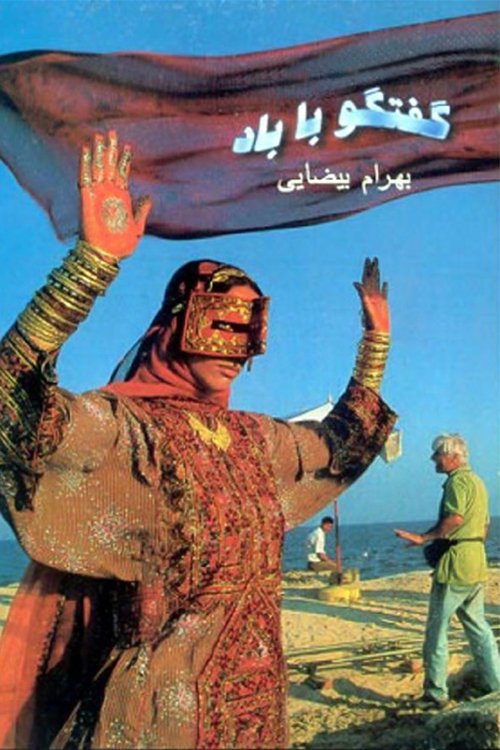
Iranian Director Bahram Beyzai is often interested in his mother country's history, culture and myths, viewing them through a vivid experimental lens which calls to mind Armenian/Georgian/Soviet/Ukrainian imagist Sergei Parajanov's gorgeous work in some of his most memorable titles. Along the Southern coast of Iran, as far as the East African peoples of Egypt, Sudan and Ethiopia, the wind was/is believed to be a Spirit named Zar. One who can cause great psychic harm or cure others as she chooses. In Bahram Beyzai's Dialogue with the Wind (1998), we find Zar admonishing man down through the ages for betraying the gifts of art and balance in return for money and greed. It's mysterious, Medieval and challenging to our modern paradigms -- intimating that we may yet owe a heavy tax from nature's red sand spirits or others less mythical. Dialogue with the Wind is an alluring short with a mystical base. I'm fraudulent in that I don't speak Farsi, but was imagining the trance power that such a cinematically evident Spirit could bestow, at least in partial meaning, even on ignorant me. One of the islands in this region of Iran is Kish, where the film exteriors were shot, which has at least a 3000 year history of inhabitants and culture figuring in chapters on Alexander the Great, along with their famed sea trade of pearls sought as far away as the Emperor of China, including ethnographic stories and myths such as Zar's magical winds. In the modern era of Iran, Kish has been given special government exemptions in trade and tourism, freedoms not allowed in any other Iranian locales. It has quickly built gaudy amusement parks, Western entertainment venues, a coastline of hotels, and sells many foreign luxury goods to entice Iran's rhetorical enemies from the West to enjoy a global vacation destination. Here we might easily hear the anger of Zar wearing a Traditional Bandari mask (boregheh) in fierce competition with Iran's seeming hypocrisy to Sharia law in the face of its theocratic exceptions and exonerations when foreign currency and private jets spell large profit margins. Or so I understand the film in Zar and Bahram Beyzai's admonition against ideological insincerity when institutional greed (a global concept) slithers past truer values.
The film depicts a woman traveling to Kish Island to confront her archetypal lover about their forgotten history and cultural decay.
It was directed by Bahram Beyzai, a celebrated Iranian filmmaker and playwright, in 1998.