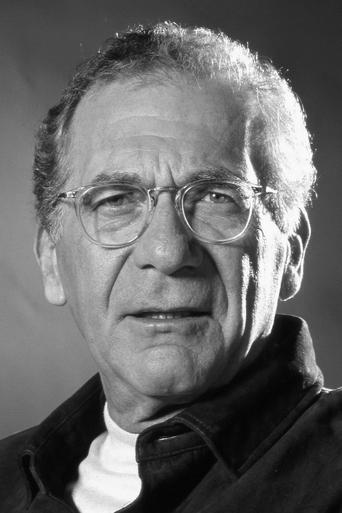

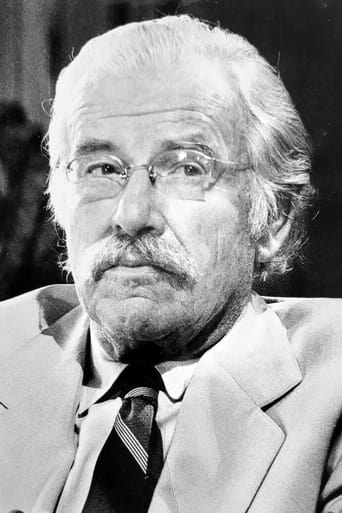


As god as my witness, I thought that gif was Zach Galifianakis
While slowly adapting to the grueling life of a mountain man in the Rocky Mountains, Jeremiah Johnson encounters the Crow and Flathead tribes as well as hunters, trappers and settlers, all of whom call these mountains home.
Jeremiah Johnson is showing in 1 cinema in London - next screening Monday 16 November at 10:00 at Lumiere Cinema, Romford.
Next screenings: Monday 16 November.
All 4 days & timesNot this day?
All 4 days & times
Jeremiah Johnson showtimes, refreshed every morning
Pick your cinema, get a nudge before it leaves screens.
As god as my witness, I thought that gif was Zach Galifianakis

Watching Redford be a mountain man >>>>>>>>>> actually trying to be a mountain man

I don't know if this film intended to reject the myth of the lone, heroic mountain man, the paragon of rugged individualism, but it certainly does a good job of it. Robert Redford rides up into the mountains as an incompetent, spends some time learning from a grizzly bear hunter--a much more successful depiction of rugged individualism (and a dirty, cussed, half-mad one)--and then finds his attempts at it thwarted by circumstance and his own morality.I suppose another underlying theme here could be a certain powerlessness in the face of the wilderness. Johnson (Redford)'s life story is more dictated by circumstance than anything else. Early on, he questions his grizzly hunting mentor about whether he ever gets lonely "for a woman," implying that he himself does. When he finally gets married, it is by no choice of his own. Similarly, he finds himself with a child through no fault of his own. And when he finally becomes the loner he sought to be, it is again outside his control.At that point, he becomes, through a bloody attrition, a sort of local legend, and in the film's penultimate scene, he meets once again his half-mad mentor. The staggering cost of his life, his loneliness, his loss pervades that scene. The conversation he has with this man, a man who surely understands him, is hesitant and broken, and in the space between their words, there is regret and pain. I'm not quite sure, then, what to make of the final scene. I took the liberty of looking it up, and the gesture shared in that scene is confirmed by other sources to be non-violent. I can only assume there's a certain amount of camaraderie shown between Johnson and the Indian leader who has presumably been trying to kill him. I choose to believe that the film is ending simply with a moment of peace for the lost and battered man.
While slowly adapting to the grueling life of a mountain man in the Rocky Mountains, a veteran encounters various tribes, hunters, trappers, and settlers who call the region home.
Sydney Pollack directed the 1972 western film.
Jeremiah Johnson is rated PG in the US.
Jeremiah Johnson was released in the United States on December 21, 1972.