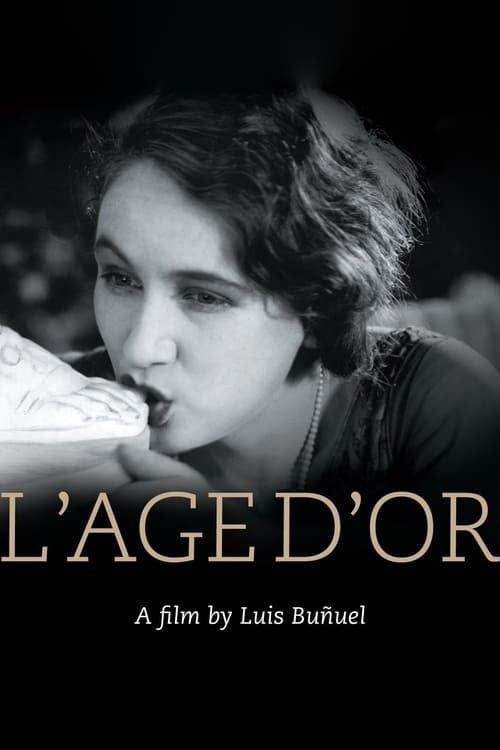
Quick rundown of what happens in this movie: - Buñuel & Dali's 'Planet Earth', a scorpion kills a mice.- A man is cockblocked by the bourgeois.- Said man goes full Michael-Douglas-in-Falling-Down so he...- Kicks a 30-yard field-goal using a furry white siberian husky puppy as the ball.['Man with a Movie Camera: Rome Edition' interlude]- Plays soccer using a violin as a ball.- Walks through a barren field with a loaf of bread on his head.- Gets sexually aroused by 2D representations of the human body.- Curb-stomps a blind elderly gentleman for his Uber.- Shoots an innocent kid behind his back.- Bitch-slaps an elderly lady that was coming on to him.- Fails miserably at fooling around with his loved one.- Leaves said girl so unsatisfied she starts sucking on a statue's toe.- Drives a person to its suicide.- Becomes a zombie.- Drives a second person insane.Proceeds to throw out the window the following items:- A burning 10-feet-tall pine tree.- A catholic clergyman.- A giraffe.Then Jesus Christ & the Three Wise Men sodomize 8 teenage girls to death.(or at least that's what I got from it)THE END
Right-wing Spanish newspapers at the time called this "the most repulsive corruption of our age... the new poison which Judaism, masonry, and rabid, revolutionary sectarianism want to use in order to corrupt the people." Any work of pure image-based assault that can generate a response like that is doing something right.
Scandalous and disruptive work. I laughed a lot at certain scenes (was I supposed to?) anyway, it’s a film that presents itself as a violent and libidinal explosion against the foundations of bourgeois morality, exposing the vices of a hypocritical society hidden behind veils of decency, religion, and the family institution. Once again, a product of the collaboration between the Spanish filmmaker and the painter Dalí. The work embodies a demolishing impulse, it’s a gesture of iconoclasm, a poetic profanation that erupts like a fever dream into the conventions of narrative cinema. The juxtaposition of the grotesque and the erotic, the sacred and the profane, takes on delirious dimensions here, where surrealism becomes more of a methodology of excavating the unconscious, an excavation charged with fury, irreverence, and desire. The scene of the gunshot fired at a child, for example, an image that, in the logic of realism, would be very weird, explodes as an absolute blasphemy, showing the depth of contempt the work has for any sentimentalism instituted by those it has chosen to criticize.Although it bears a certain technical amateurism, perhaps the result of a libertarian spirit more interested in subversion than in formal harmony, its historical and artistic importance is undeniable. Even if not as famous as the duo’s first film, this one specifically is no less impressive; it’s a cruel satire in which social rituals are dismantled with heavy irony, be it marriage, the military, or the church, all become targets of mockery. The scene in which the lovers, systematically prevented from consummating their desire, spiral into a sensual frenzy that defies every moral restraint, eroticism is transformed into an instrument of liberation and despair. The image of a bishop thrown out the window, the appearance of a libertine skeleton, and the “orgy” at the end (with a character directly evoking Christ) compose a mosaic of critical hallucinations, an active gesture of symbolic destruction. Truly one of the most radical examples in cinema against the oppressive structures of so-called “normal” civilization.