



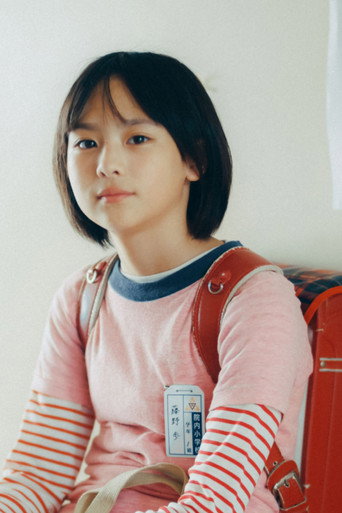


The magic trick of Kiyotaka Oshiyama’s 53-minute anime film “Look Back” is how its brevity gives visceral dimension to the defining tension of its story: That between the time it takes to create something (in this case, a portfolio of one-shots), and the time it takes to consume it. By contrast, the magic trick of Hirokazu Kore-eda’s 100-minute live-action “Look Back” is that it somehow manages to accomplish the same thing despite running twice as long. As slavishly faithful to Oshiyama’s anime as Oshiyama’s anime was to Tatsuki Fujimoto’s original manga, Kore-eda’s muted but affecting drama retells the bittersweet tale of two very different schoolgirls in western Japan who are bonded together by their shared love of comics. The popular and boisterous Fujino (expressively played through her tweenage years by Furi Nanase) is famous among her classmates for the yonkoma cartoons that she draws for the school newspaper, and carried by the unique self-confidence that comes from discovering your purpose in life at such a young age. Alas, Fujino’s entire worldview is rattled off its axis when she’s in fourth grade — when a severely anxious local shut-in named Kyomoto begins to submit yonkoma of her own as a tentative way of engaging with the world beyond her bedroom. The recluse’s work naturally lacks the finger-on-the-pulse wit of Fujino’s strips, but it compensates for that with the careful attention of its linework and background detail. A heated rivalry is born.That rivalry eventually blossoms into a beautiful collaboration, as Fujino is tasked with delivering Kyomoto’s diploma to the shut-in’s seemingly abandoned house at the end of sixth grade (no version of this story makes any mention of her parents’ whereabouts, but the director of “Nobody Knows” can’t help but charge this brief glimpse of Kyomoto’s barren home life with a tacit sense of tragedy), and, in what feels like a predestined twist of fate, inadvertently draws the recluse out of her room. By that point, Fujino’s natural resentment towards Kyomoto’s ability — and her obsessive failure to outdo it — has caused her to question her purpose, but it turns out that Kyomoto is Fujino’s biggest fan, and so Fujino agrees to an ego–saving creative partnership. Half a lifetime down the road, she will be haunted by that decision as if it just happened yesterday. But first: happiness.~this review continues on IndieWire~









