





The scene with Travis and hunter running across the road on opposite sides is honestly one of my favourite scenes in the history of cinema.
We use cookies to personalize your experience and analyze traffic. You can opt out at any time.
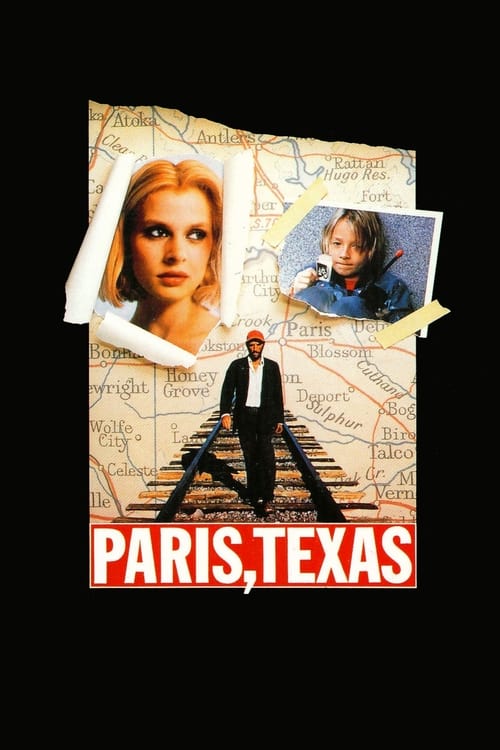
A man wanders out of the desert not knowing who he is. His brother finds him, and helps to pull his memory back of the life he led before he walked out on his family and disappeared four years earlier.
Paris, Texas isn't screening in cinemas right now.
Follow the film in the app to get notified when showtimes are added.
Paris, Texas showtimes, refreshed every morning
Pick your cinema, get a nudge before it leaves screens.


The scene with Travis and hunter running across the road on opposite sides is honestly one of my favourite scenes in the history of cinema.

- H-how can you have two fathers?- Just lucky I guess...

“I wanted to see him so bad that I didn't even dare imagine him anymore.”Seemingly birthed from the dust that surrounds him, a man wordlessly emerges from the desert, trudging towards an invisible horizon. His face is weary and withered, his memory elusive, his soul haunted by sorrow.Wim Wenders' Paris, Texas is a melancholic portrait of a broken man yearning for reconnection with a family he had left years ago. But much more so, the film is a considered reflection of America's emotional fabric as seen through images of run-down motels, vistas of vast desert landscapes, Travis' sense of anachronism, and the myth that stoic silence equals masculine strength.Paris, Texas, whose very title suggests a melding of European realism and American idealism, is a perceptive elegy of love and loss, eloquently set against the foreboding backdrop of middle America. It's a beautiful yet devastating piece of filmmaking that offers powerful insights into the processes of self-realisation, forgiveness, and the simple act of moving on.RIP Harry Dean Stanton
After emerging from the desert with no memory, a man attempts to reconnect with his estranged brother and son, leading him on a journey to find the wife he abandoned years earlier.
Wim Wenders directed Paris, Texas in 1984, a seminal road movie of the New German Cinema movement and winner of the Palme d'Or.
Yes, the film won the Palme d'Or at the 1984 Cannes Film Festival.