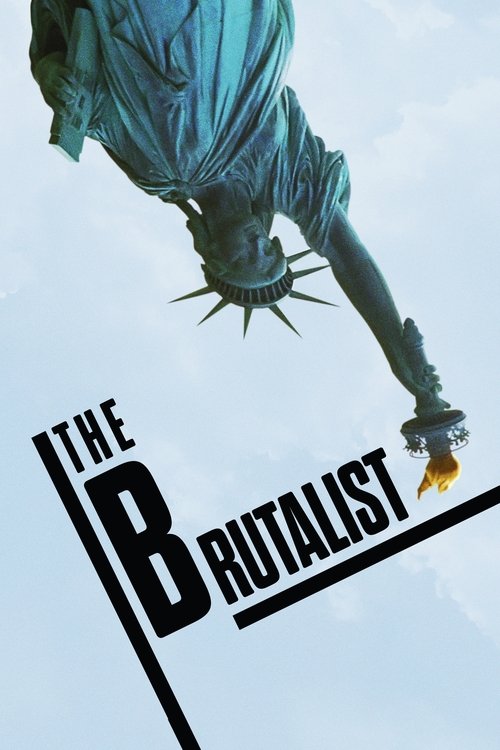





To anyone who thinks the ending is too simplistic and attempts to tie things up in a nice bow, do you really think “it is the destination, not the journey” was meant to be taken at face value?Zsofia—like much of America trying to sell how great the “American Dream” is—attempts to package Laszlo’s life in a nice, digestible speech with a pleasant ending. In an abrupt tonal shift, the complex, grand, uncomfortable atmosphere of the previous three hours is stripped away and haphazardly replaced by upbeat music, digital footage, and a celebration. She tells those around her that in the end, for Laszlo, it was all worth it. He has secured a legacy, and has “achieved” the American Dream. Yet, if it’s truly just about the destination, what is Laszlo’s destination? One could say he’s achieved everything he’s dreamed of in his career, but one could also say he’s demoralized, lifeless, unable to speak his truth, left without the love of his life, and with his supposed “masterpiece” bearing the last name of the man who abused him. THIS is the reality of the American Dream for immigrants. Nuanced, complex, suffering distorted and repackaged as something to be blindly celebrated and lure the next generation of hopeful masses in search of a better life to a country that will never stop attempting to strip them of their voice and dreams. In the end, was it all worth it for Laszlo? That is up to us to decide.