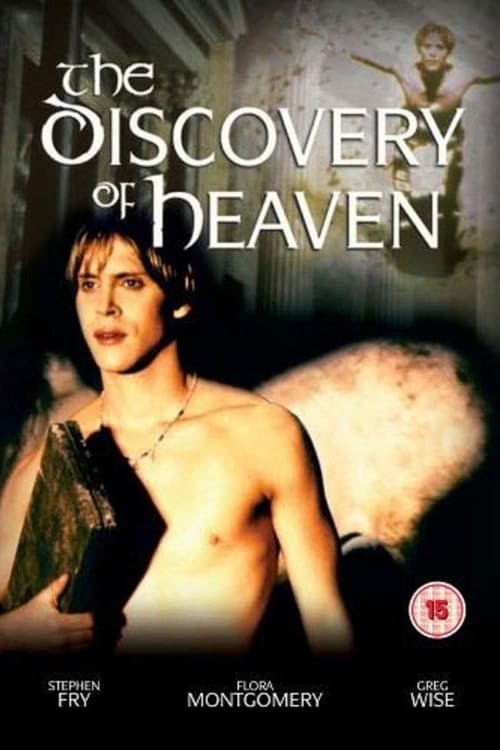


Based on the more than 900 pages long novel of the same name by acclaimed Dutch author Harry Mulisch, Director Jeroen Krabbe - like Jean-Jacques Annaud did with The Name of the Rose, but is's more like The Unbearable Lightness of Being - choose to tell its story by one of the central lines of the novel. No garden of Eden, no green pastures, no long gone freinds of family, no warm sun. The porch of heaven is as terrifying as hell. It is a building without an exterior that protagonist Quinten Quist (Neil Newborn) is looking for - he finds in the drawings of an eighteenth-century Italian artist. In a dream he wanders around in it. Two angels are instructed by God, displeased by the mess that people mad eon earth, to get back his Ten Commandments. To achieve this, they bend a number of human lives to their will. And so in the film we see two men, played by Fry and Wise, in 1960s Amsterdam becoming bosom friends, sharing a loved one and producing a child. But whoever the father of this Quinten is, this boy has an extraordinary destiny.The film is - as I said - different than the novel. I have only one problem with it and it's the women's storylines - and the lack of them. I would have liked it even more if some of the women's stories were shown. A friend -and a great fan of the novel - of mine considers is sterile, but I like the distance between them on the screen and us film-viewers. I don't know why I waited this long by watching it, but perhaps I was a bit intimidated by the book as I was with The Name of the Rose.