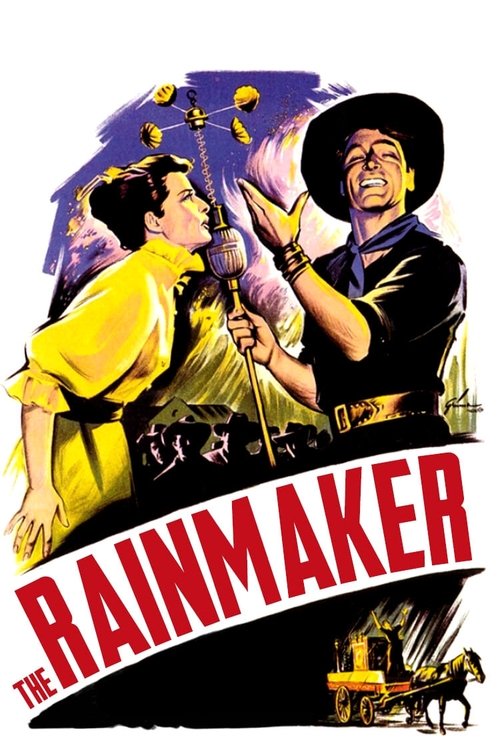
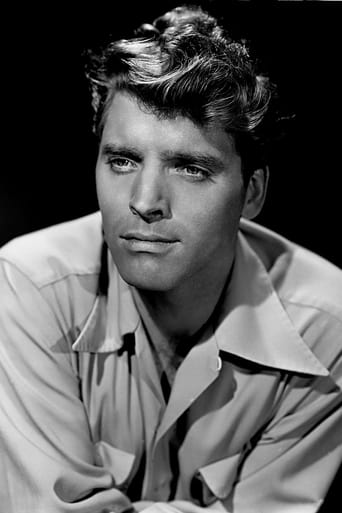
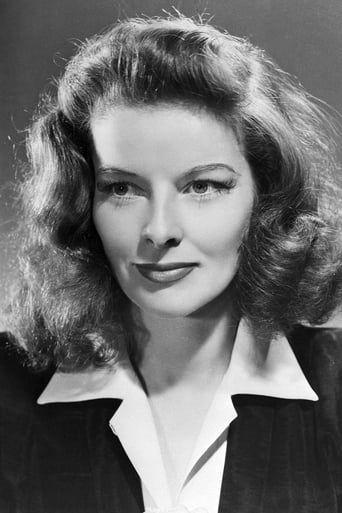
I haven’t watched a real “so bad that it’s good” movie in so long, and what’s even more bewildering is that I can’t even gauge if The Rainmaker is the worst film ever made or the greatest of all time. Perhaps it’s both? Let me walk you through some highlights:● Burt Lancaster playing a ridiculous con-artist named Starbuck● The whole film is spent calling Katharine f*cking Hepburn “plain”. KATHARINE. HEPBURN.● Burt Lancaster yelling “RAIN” ● Katharine Hepburn stuffing her bra with a pillowI’m so fascinated by this movie. Did Burt Lancaster and Katharine Hepburn give their worst performances of all time, or is this film a masterclass in acting? I honestly cannot tell. I just can’t. What even is this movie? Who allowed this?
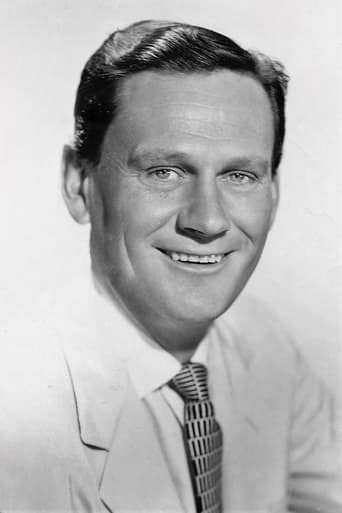
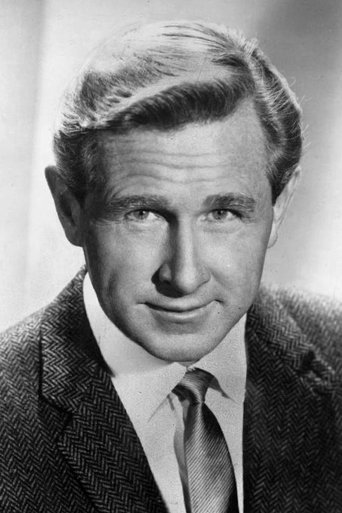
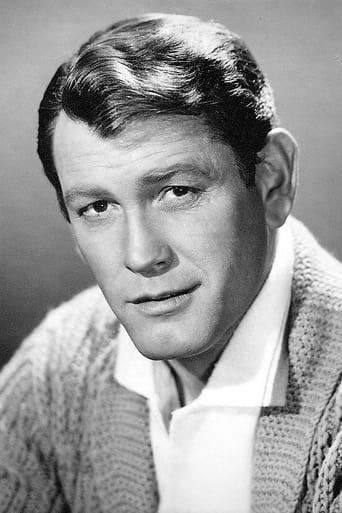
INTELLECTUAL REVIEWThe Rainmaker makes no bones about the fact that it's based on a play. Indeed, director Joseph Anthony was hired entirely because he directed the play on Broadway — he'd never taken the helm of a film before in his life. It's also clearly filmed on a soundstage, with people who are shouting from offscreen often echoing as they would from the wings of a theater. It's charmingly unashamed, but it also can't help but add to the periodic, very intense feeling that The Rainmaker is a musical without any songs. There are at least three different occasions (two of them very early in the film) during which it feels for all the world as if someone is about to burst into song. There are even familiar musical cues to initiate the moment, so it's immensely discombobulating when, for example, Katherine Hepburn doesn't spin on the stairs and sing to us about her failure to find a man. Those cues certainly add to the feel of artificiality that is so central to the film, but their presence is also a deeply odd choice, and one that almost had to have been made with the suggestion of a musical in mind.Away from that intentional confusion about the kind of movie we're actually watching, The Rainmaker is surprisingly moving, particularly given its proud lack of realism. Clad in an absurdly tight shirt, bedazzled belt, and jaunty hat (all of them black, of course) Burt Lancaster as Bill Starbuck is almost never at less than 11, playing to the back of the theater in nearly every scene, but doing so with the kind of commitment that cannot help but win the audience over. It's a theatrical performance because the character he's playing is a performer by trade, someone whose life is the sale of dreams to the people who most need them.Opposite Lancaster, Katherine Hepburn, too, furiously emotes as sorrowful spinster Lizzie Curry. Her pain is broad but real, and her joy is the same — all of it carries with it a kind of childish heat and intensity, as if every emotion is being felt for the first time. And Lizzie's suffering is complex and real, resulting from a combination of social pressure, familial condemnation (her brother Noah, played by Lloyd Bridges, is a real dick), and the terrible specificity of her dreams. Lizzie doesn't want to marry only because society and her family tell her she should — she wants to marry because she wants to be someone's source of happiness; because she wants to be someone's world. It's a surprisingly complex construction of a spinster character, and the kind of role that Hepburn embodied almost effortlessly, by this point in her career.And the writing of Lizzie isn't the only area in which the movie surprises. The importance of confidence is drawn in lovely strokes by screenwriter N. Richard Nash (adapting his own play), who goes well beyond the standard "woman lets hair down, is magically attractive, the end" approach to self-discovery and relationships. Instead, he examines the vulnerability of both Lizzie and Starbuck, revealing their shared desperation for reinforcement, and for simple companionship; the way their relationship is written is wonderful. Yes, Starbuck represents the awakening of both Lizzie's sexuality and her ego, but she also immediately recognizes the temporary nature of their relationship, and is clearly content with the literal roll in the hay the two share, if it's all they're going to get. (The overt implication of fucking in the stable stayed despite the objections of the MPAA.) She has no regrets, and the confidence Starbuck has inspired will be with her always.The Rainmaker is far too long, but the seriousness with which it treats its central female character is refreshing and noteworthy, and the performances are more than worth the price of admission, despite the viscerally disappointing lack of singing.THIRSTY REVIEWWe have a Wendell Corey situation. I repeat: we have a Wendell Corey situation.
"I want a man to stand on his own two legs, and I want to stand on mine without having to trick him. Isn't that possible with a man?"I didn’t think I would love this as much as I did, this caught me completely by surprise. I was just grazing along Hepburn’s and Lancaster’s filmography, minding my own business, when I stumbled across this rare gem. I don’t even know how to describe The Rainmaker, it’s a film unlike any other. At first I was a little taken aback by its storytelling style, everything was kinda over the top and the characters seemed like caricatures rather than real people. Then it dawned on me that this must have been a play originally, and once I saw it from that perspective, I was having a blast. It’s kinda insane to think that this wasn’t written specifically with Hepburn and Lancaster in mind, I honestly cannot imagine anyone more fitting for these roles. Hepburn as an untamed idealist, Lancaster as the lovable crook who could sell anything to anybody. I was really looking forward to see how these two would work together, and they’re both just splendid. Hepburn always seems natural when the circumstances are odd, and Lancaster is hamming it up like he’s sitting in a frying pan. Everything about this is absolutely nutty, and it even has a touch of magical realism. And yet it’s not without authenticity, on the contrary, this quickly became very personal for me. I so related to Katharine Hepburn’s character, who is a little too independent, a little too serious, a little too honest to be successful with men. She thinks she’s pretty alright as it is, and she’s backed in that belief by a wonderful father—but she isn’t deaf to the voice of society either, and once in a while she does wonder whether she should try to be more like the other girls before she turns into an old maid for good. Between the laughs—and there are plenty—there is so much truth hidden underneath it, mostly about identity (my favorite subject), but also about being a woman, about being a man, and how to live with authenticity without forgetting to reach for the stars, too, once in a while.