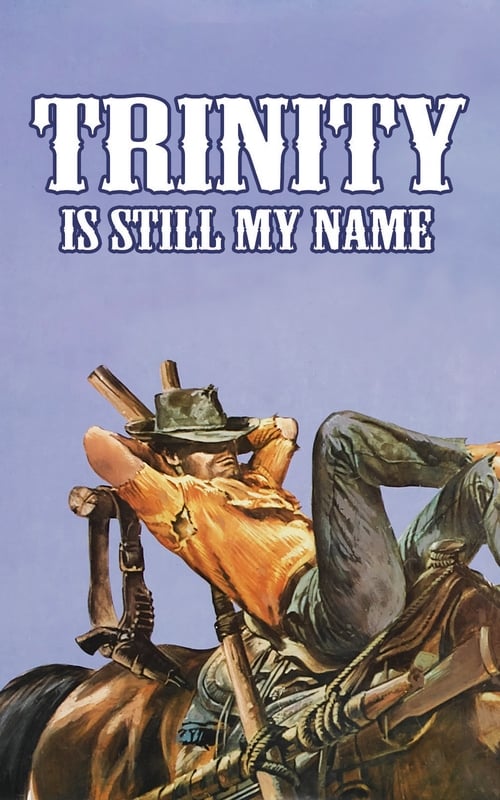
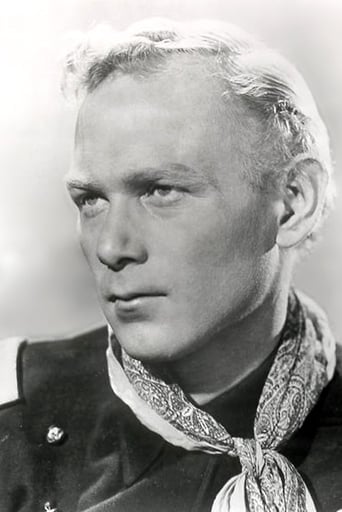
The highest grossing spaghetti western of all time by an almost laughable margin (it outdrew the film in the second spot — They Call Me Trinity, naturally — nearly two-to-one), Trinity is Still My Name is sophomoric to its core, full of endless fart jokes, a lot of messy eating, and gags about things like setting clocks back to keep a bar open, and playing rugby with a bag of money. This reality, though, exists alongside an unexpected innocence that is as fundamental as the immaturity of its humor, an innocence which reveals a deep affection for the genre it ostensibly is parodying. In addition, in large part, it is the wide-eyed way it addresses the world that allows the film to rise above its threadbare premise and story.Even more so than in the first film, Trinity (Terence Hill) and his brother Bambino (Bud Spencer) are fundamentally good people, a truth which underlies everything that happens in Trinity is Still My Name. They try to be outlaws (with the pretend deathbed urging of their father (Harry Carey, Jr.), no less!), but it simply doesn't take — both men would rather help than hurt people, and they're far more inclined to trouble and punish evildoers than join them. So, while they're not formally law enforcement here, they do pose as federal officials, and use those identities to impose a degree of order on the chaos around them.As ever, the easy chemistry between Hill and Spencer holds the film together, giving Bambino and Trinity the feel of real brothers, people who push back when pressured by the other, but who would rather die than let someone else pick on their sibling. There's also a delightful contrast between the two men, one that goes well beyond their simple physiques (skinny v broad) and personalities (cheerful v grumpy). Though it perhaps seems counterintuitive in a film as fundamentally simple as this one, both Spencer and Hill completely inhabit their characters, something that reaches as far as their postures, and the way each man sits on a horse. As Bambino, Spencer sits, stands, and walks with a rounded back, as if he's either carrying a burden or preparing for one (one likely created, somehow, by his brother). Hill, on the other hand, is all physical dynamism, always upright and with his shoulders back as if eager to encounter the world, and his flashy athleticism is ever present, even in actions as simple as mounting a horse. Bambino is just as athletic as his brother but, as portrayed by Spencer, his athleticism is as reluctant as everything else about him. When the time comes, he will rise to the occasion — you can be sure of that — but until then he's going to be grudging about every word, every step, and every request.Also: Though I can't find confirmation of it online anywhere, I'm 98% sure that George Eastman (the man originally intended to play Bambino) is one of the laundry monks. For the record.Spaghetti westerns: watchlist | rankings
1971 In Review - October#8Bambino tries to teach his brother Trinity how to become an outlaw, but the two wind up saving a pioneer family and breaking up an arms ring instead.In this sequel to They Call Me Trinity, the unlikely brothers Trinity and always grouchy Bambino (Terence Hill & Bud Spencer respectively) turn partners in crime after their daddies dying wish is for Bambino to teach his brother the business of rustling and all thing illegal in old West. But the siblings with hearts of gold just can’t help themselves assisting folks in trouble with other outlaws. It's just hilarious watching Trinity leads Bambino on with fake promises of monetary reward but ends up doing good. This one has more slapstick, more red beans, more cartoonish fist-fights and I believe is the most successful spaghetti westerns ever made.
The financial success of director Enzo Barboni's They Call Me Trinity meant that a sequel was greenlit by production company West Film almost immediately. Back would come both Hill and Spencer, with Barboni once again helming, and it hit Italian cinemas in the October of 1971, barely 10 months since the first film opened. A major hit that went on to become the highest grossing Italian film ever at that time, the comedic factor is ramped up yet again, which was right in Hill and Spencer's wheelhouse. The way that the first film ended up turning Trinity and Bambino into good guys after Trinity gifts the Major's horses to the Mormons, was something that Barboni continued here, with yet more pilgrims helped by the two brothers. Bambino may be a horse thief, but he doesn't get to do much of it with Trinity around, although the film does open with a spot of thievery, with four hapless outlaws falling foul of both Bambino and Trinity as they head home to visit their parents. That scene with Harry Carey Jnr as their father and Jessica Dublin as their mother is pretty funny, with Bambino being conned into working alongside Trinity to teach him how to be a horse thief. Yet again this'll see the two become good Samaritans to those in aid, with an attempted hold-up of a wagon becoming a farce as Bambino and Trinity end up helping them with a broken wheel, and then give them money to pay for a doctor for a sick infant. Again some of it is almost slapstick in its simplicity, and as the two head to town and hustle a card sharp out of a fortune, the slap/draw routine is wheeled out for a third time as Hill sorts out Wild Card Hendricks in the saloon. Another encounter with the family they helped sees them posing as Federal Agents working undercover as outlaws, before they do their own rendition of Jake and Elwood Blues in the Chez Paul restaurant. It's funny, but lacks the originality of the first film, and it certainly loses some steam in the last half hour or so, descending into chaos as the two become involved in defending a mission used by gun-runners who abuse the local monks. That saviour element coming into play once again, turning the outlaw brothers into heroes as a mass brawl breaks out and Trinity and Bambino show just why the Italian rugby team is still shit over 50 years later. Obviously I'd read that Hill and Spencer did most of their own stunts here, with the majority of the rest of the henchmen being played by stuntmen, and it does work a treat. One thing I did enjoy was the family with the farting baby they kept meeting, such a simple gimmick, but easily one of the funniest things in the movie, and if I had one complaint I thought that the Finnish actress Yanti Somer, who played the farmer's daughter, could have been given more screen time with Hill's Trinity. It's fun and silly, and I'm definitely sold on watching more of both Hill and Spencer, even outside of Spaghetti Westerns, because the chemistry they have together, regardless of the script, comes shining through.