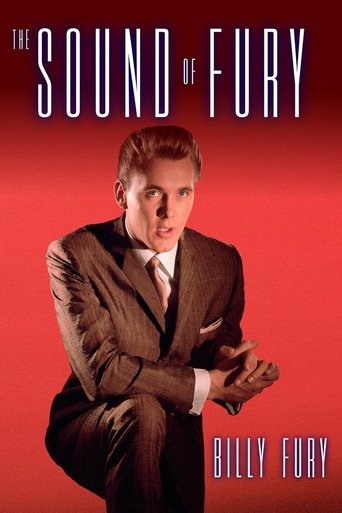
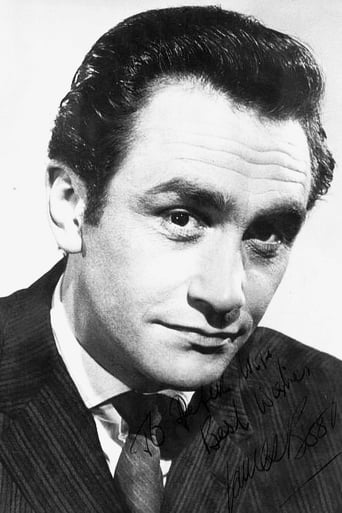
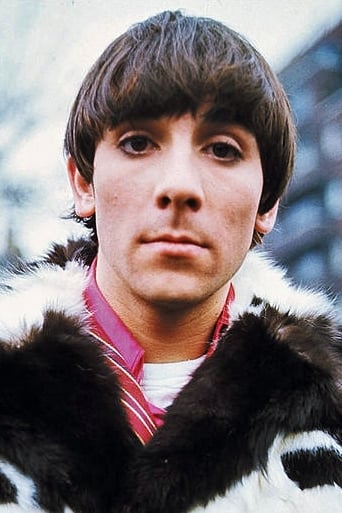
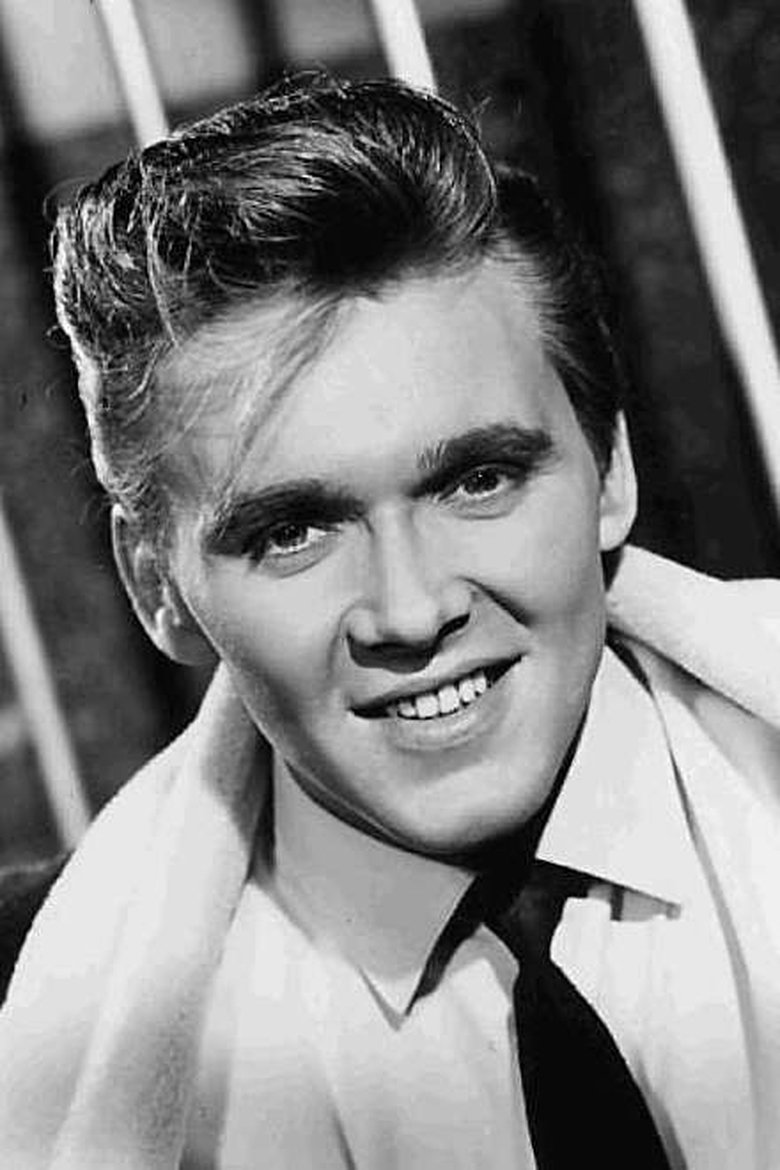
Billy Fury, born Ronald William Wycherley (17 April 1940 - 28 January 1983), was an internationally successful English pop singer from the late 1950s to the early 1960s, and remained an active songwriter until the 1980s. Rheumatic fever, which he first contracted as a child, damaged his heart and ultimately contributed to his death. An early British rock and roll (and film) star, he equalled The Beatles' record of 24 hits in the 1960s, and spent 332 weeks on the UK charts, without a chart-topping single or album. Allmusic journalist, Bruce Eder, stated, "His mix of rough-hewn good looks and unassuming masculinity, coupled with an underlying vulnerability, all presented with a good voice and some serious musical talent, helped turn Fury into a major rock and roll star in short order". Others have suggested that it was Fury's "Elvis Presley-influenced, hip-swivelling, and at times highly suggestive stage act." Description above from the Wikipedia article Billy Fury, licensed under CC-BY-SA, full list of contributors on Wikipedia.
Know the day Billy Fury's next film opens
Follow once, we'll tell you when it reaches cinemas.
Billy Fury was an influential English pop singer and actor who emerged as a major rock and roll star during the late 1950s and 1960s.
He is recognized for his prolific music career and starring roles in youth-oriented musical films of the era.
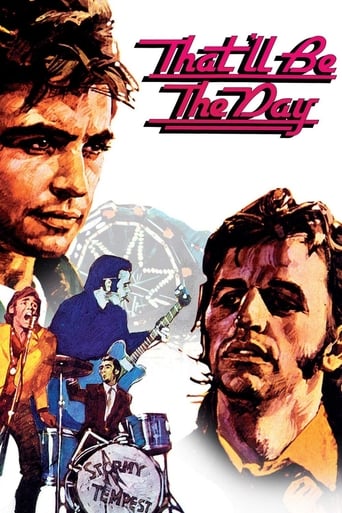
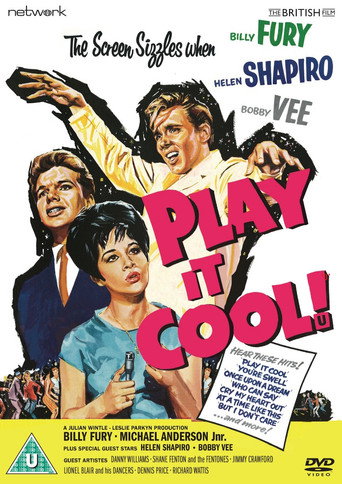
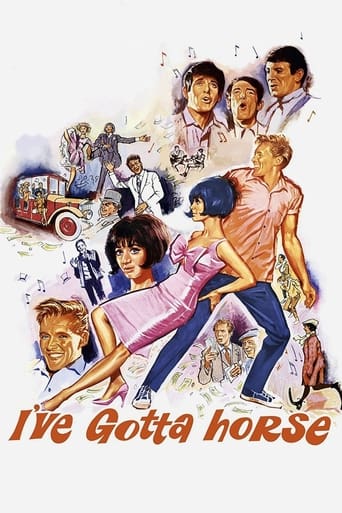
He appeared in screen productions such as Play It Cool, I've Gotta Horse, and That'll Be The Day. Full filmography on Mood.