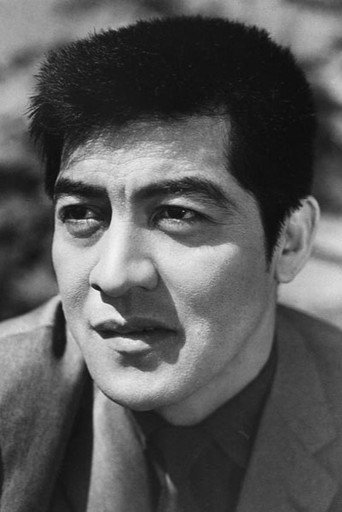
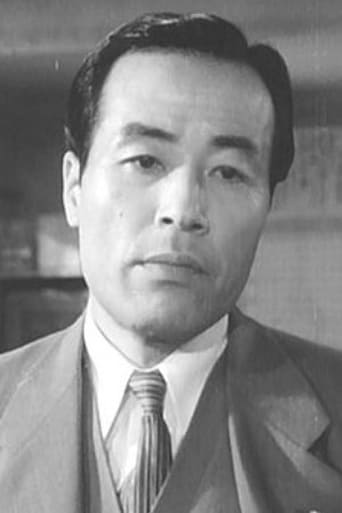
Mieko Takamine
Actor
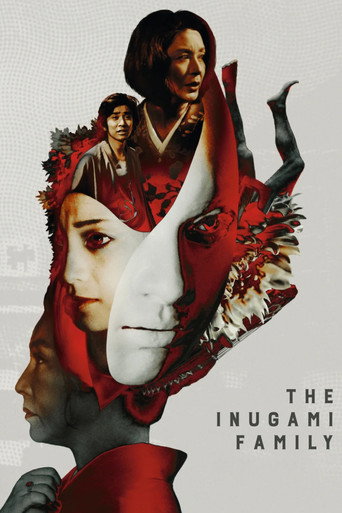
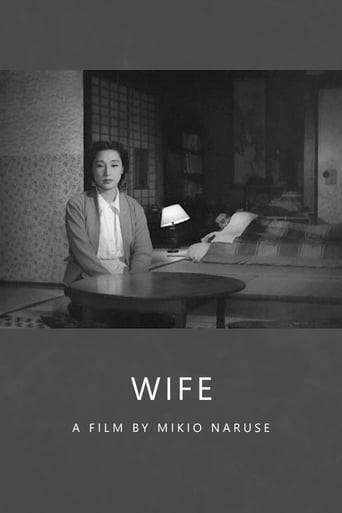
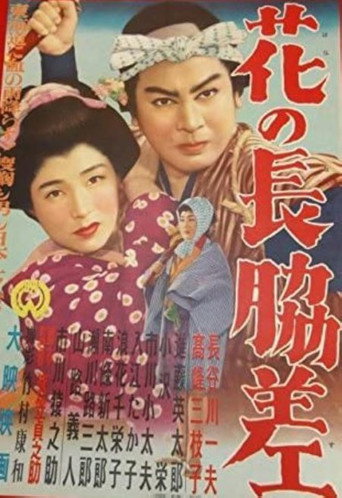
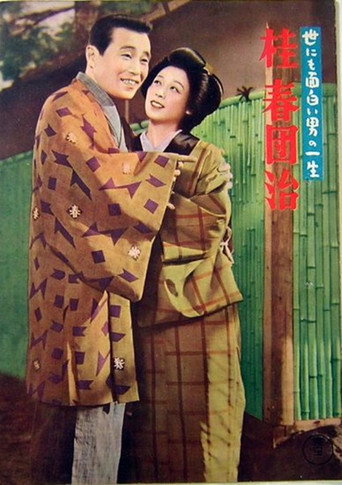
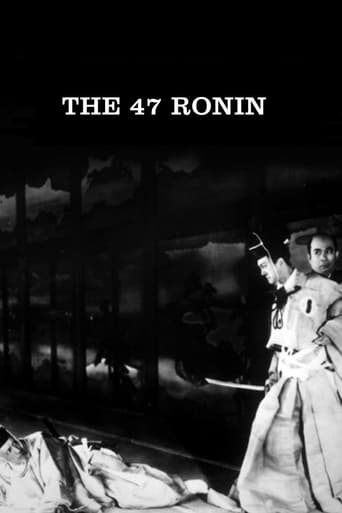
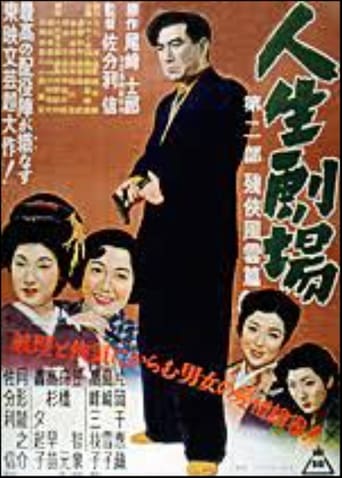
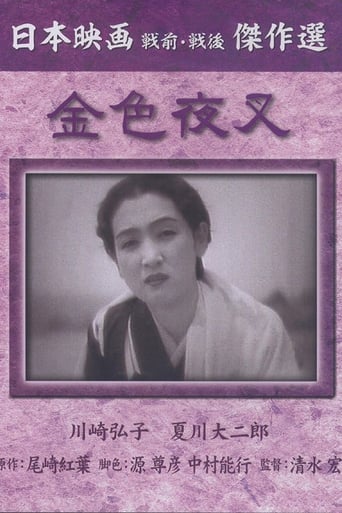
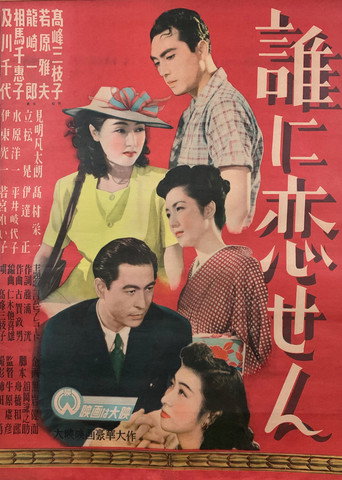
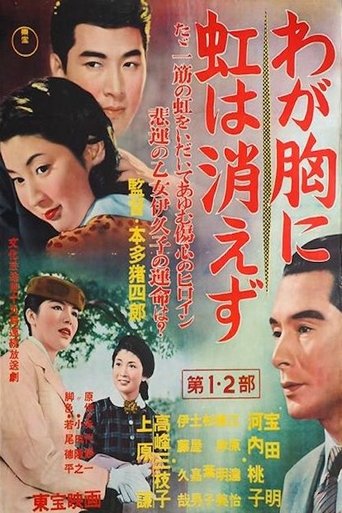
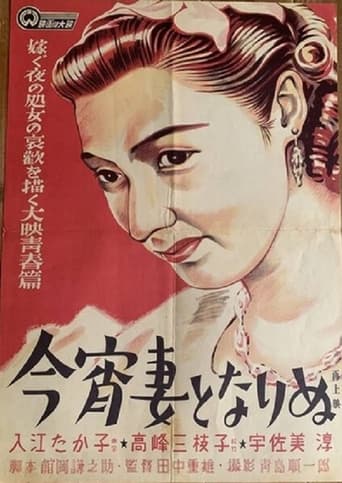
Mieko Takamine (高峰三枝子, Takamine Mieko) (2 December 1918 – 27 May 1990) was a Japanese actress and singer. Mieko Takamine was born the eldest daughter of famous chikuzen biwa player and teacher Chikufu Takamine. She gave her acting debut in the 1936 film Kimi yo takarakani utae, produced by the Shochiku studios, to which she would remain affiliated throughout her career, although she would also occasionally appear in productions of other companies after the war. Her first released record as a singer was the theme song for the film Hotaru no hikari (1938), and she soon established herself as a "singing movie star". Takamine starred in films of Japan's most notable directors, including Hiroshi Shimizu, Yasujirō Ozu, Mikio Naruse and Keisuke Kinoshita. In 1976, Takamine won the Best Supporting Actress award at the 19th Blue Ribbon Awards for her role in The Inugamis (1976). In 1985, she was awarded the Medal of Purple Ribbon and a special Mainichi Film Award for her longtime achievements as a performer
Mieko Takamine films playing now
Playing now1
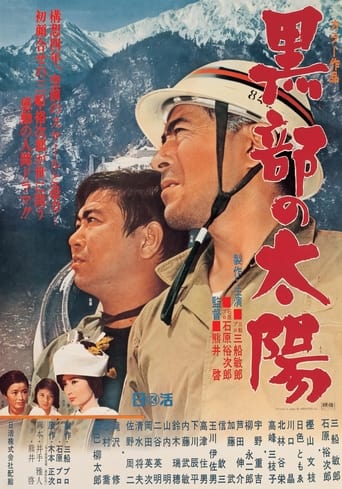
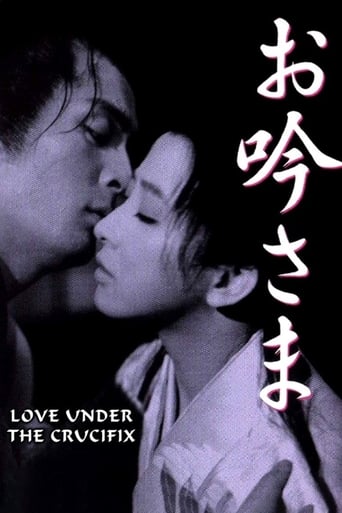
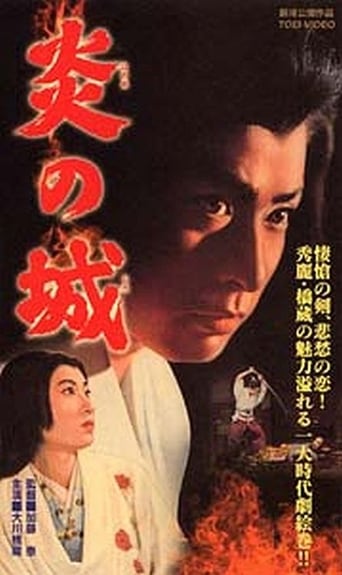
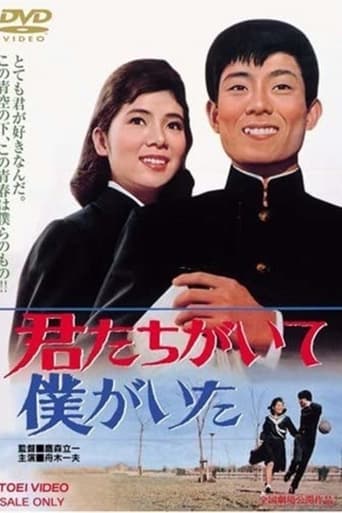
Mieko Takamine filmography
Filmography128
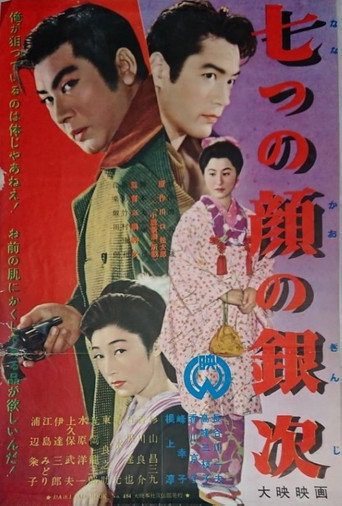




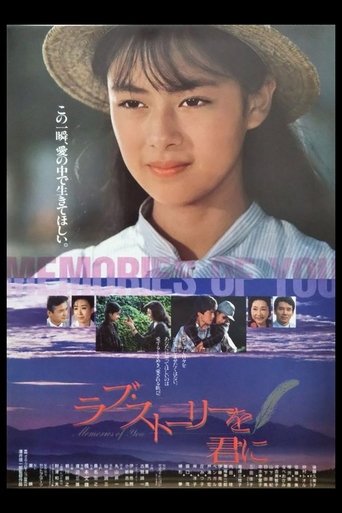

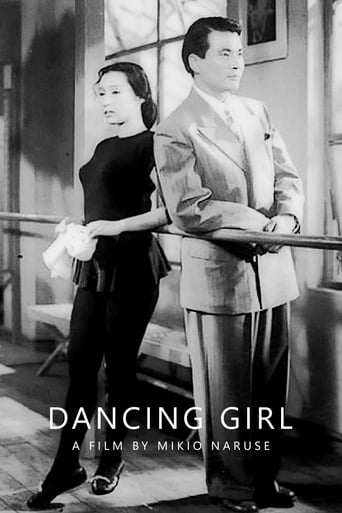
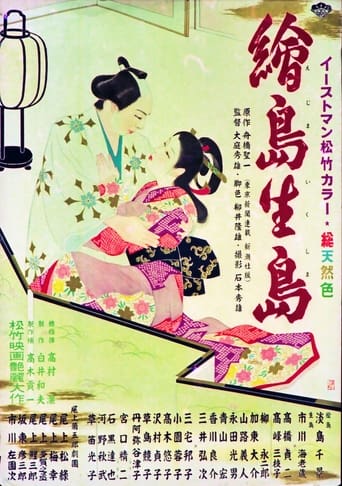
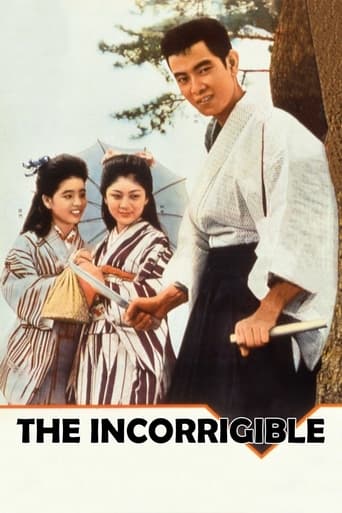
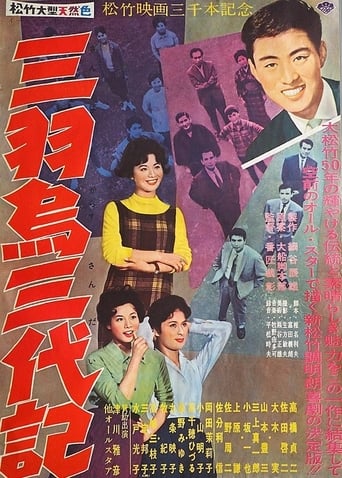
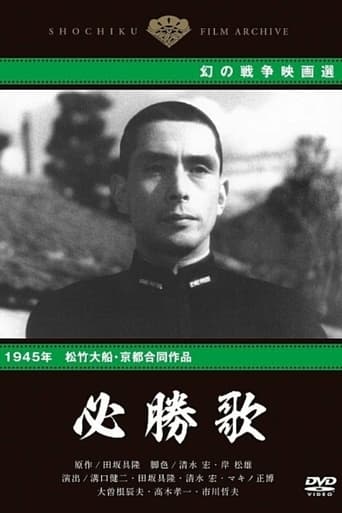
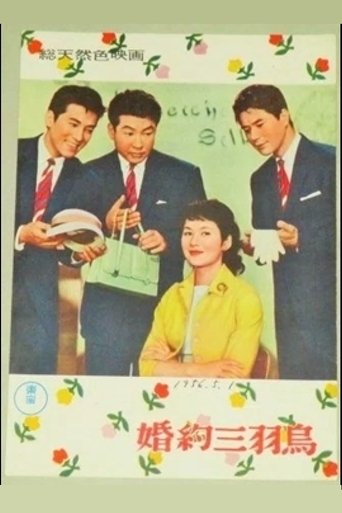
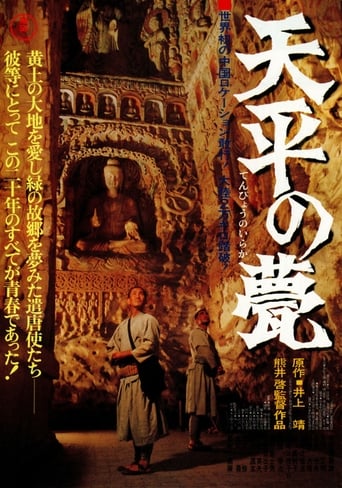

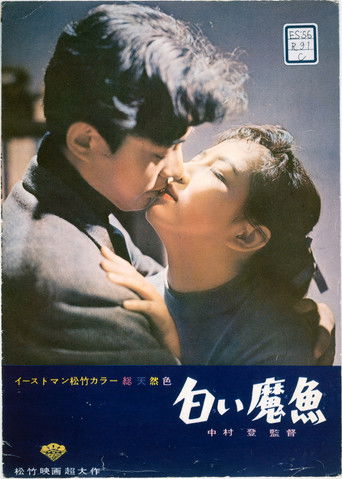
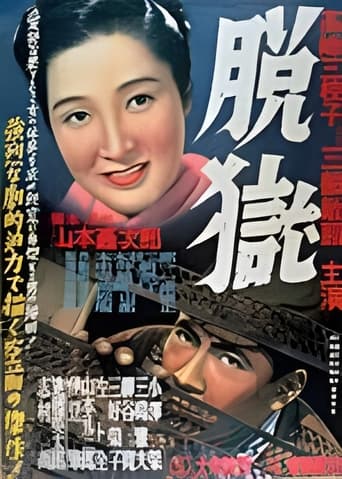
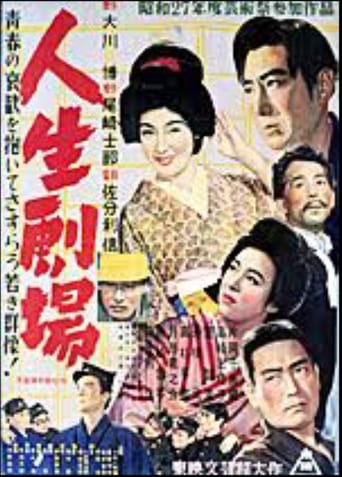
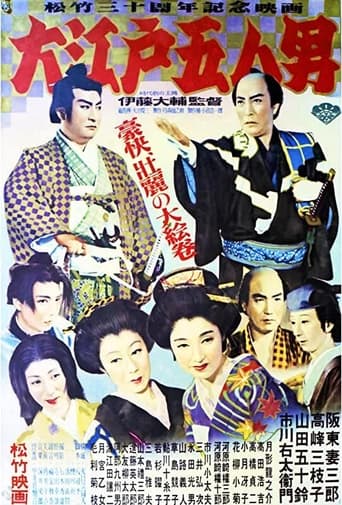

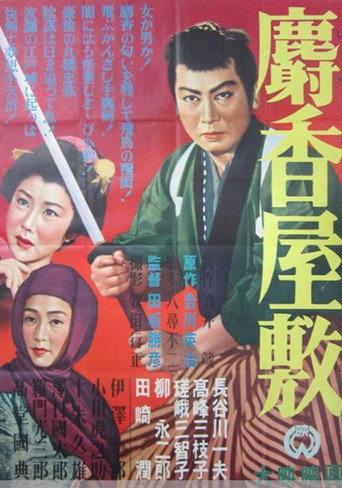
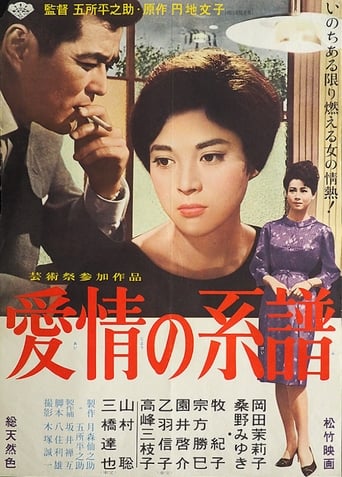
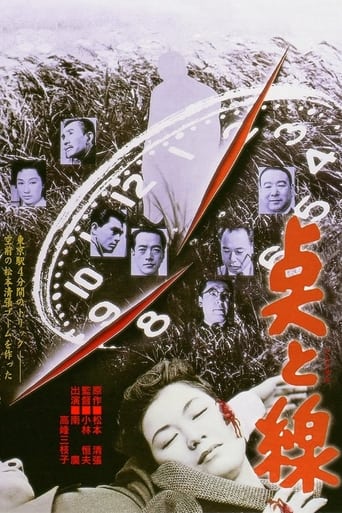

Know the day Mieko Takamine's next film opens
Follow once, we'll tell you when it reaches movie theaters.


Common questions
Who is Mieko Takamine?+
Mieko Takamine was a prominent Japanese actress and singer who became a leading figure of classic Japanese cinema during the Showa era.
What is Mieko Takamine known for?+
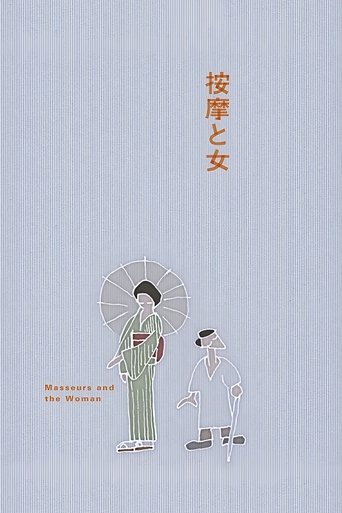
She is recognized for her roles in acclaimed films such as Brothers and Sisters of the Toda Family, The Masseurs and a Woman, and The Inugami Family.
Which directors did Mieko Takamine collaborate with?+
Her filmography includes collaborations with celebrated Japanese directors like Yasujirō Ozu, Mikio Naruse, Hiroshi Shimizu, and Kon Ichikawa. Explore her filmography on Mood.