Cinemas
EN
Oscar Apfel
Actor
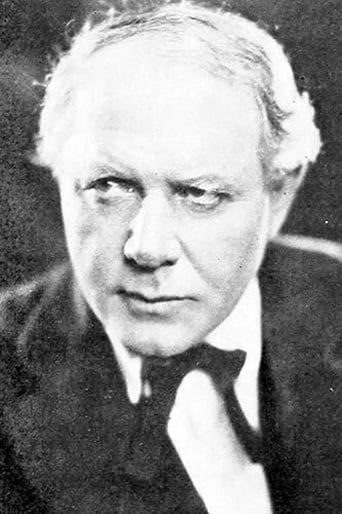
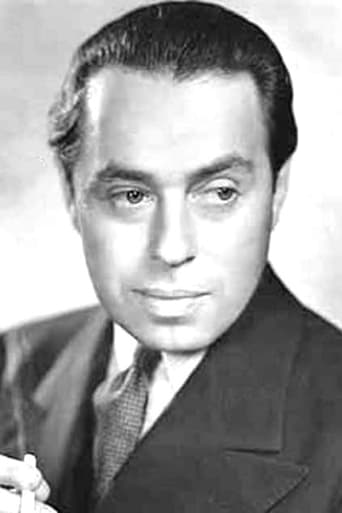
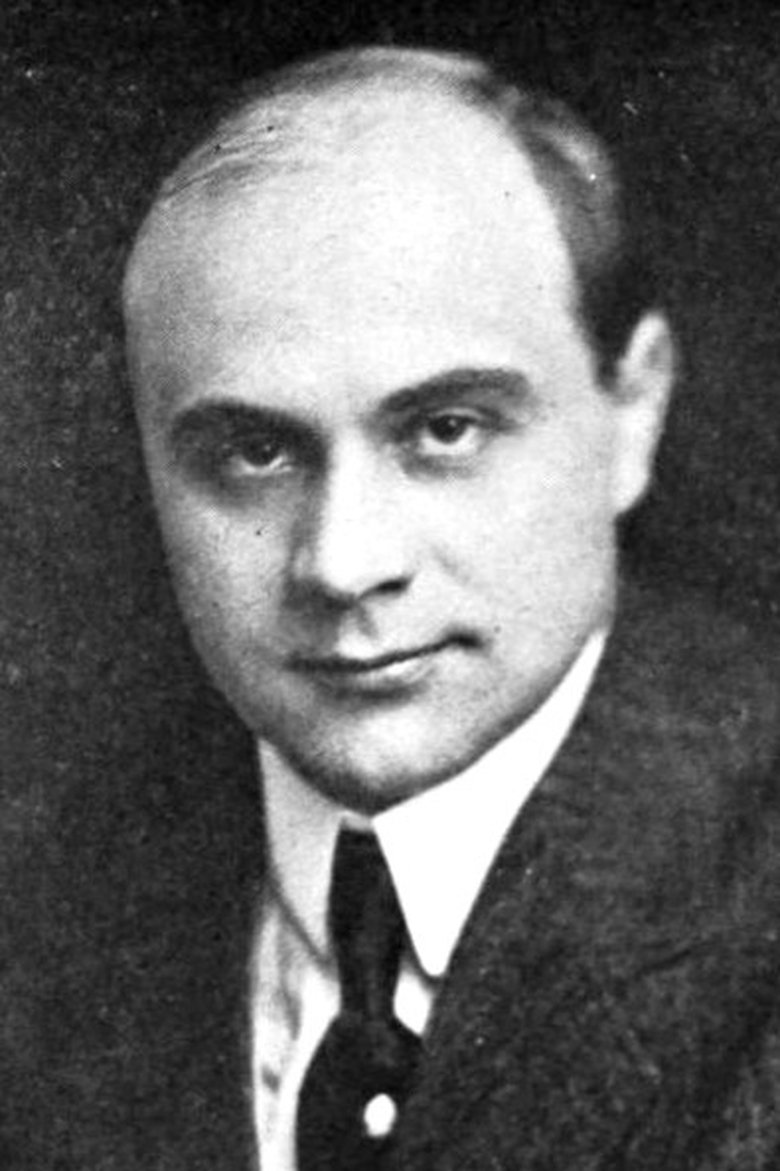
From Wikipedia, the free encyclopedia Oscar C. Apfel (January 17, 1878 – March 21, 1938) was an American film actor, director, screenwriter and producer. He appeared in 167 films between 1913 and 1939, and also directed 94 films between 1911 and 1927. Apfel was born in Cleveland, Ohio. After a number of years in commerce, he decided to adopt the stage as a profession. He secured his first professional engagement in 1900, in his hometown. He rose rapidly and soon held a position as director and producer and was at the time noted as being the youngest stage director in America.[1] He spent eleven years on the stage on Broadway then joined the Edison Manufacturing Company. Apfel first directed for Thomas A. Edison, Inc. in 1911–12, where he made the innovative short film The Passer-By (1912). He also did some experimental work at Edison's laboratory in Orange, on the Edison Talking Pictures devices. After many years as a director, he gradually returned to acting. On March 21, 1938, Apfel died in Hollywood from a heart attack.
Oscar Apfel films playing now
Playing now1

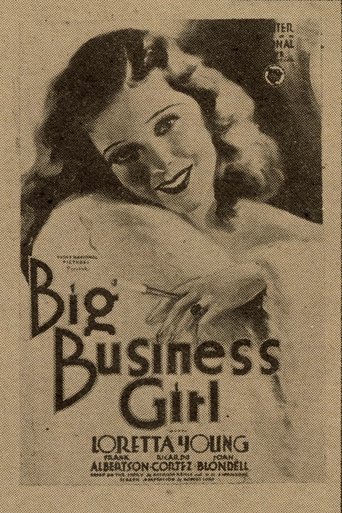
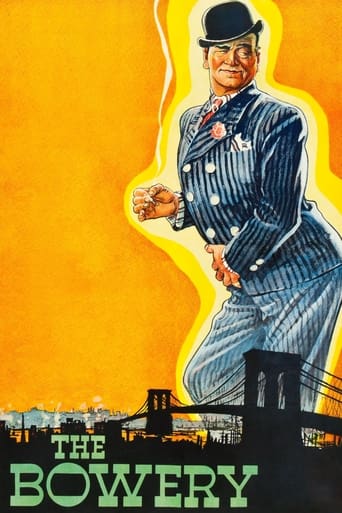
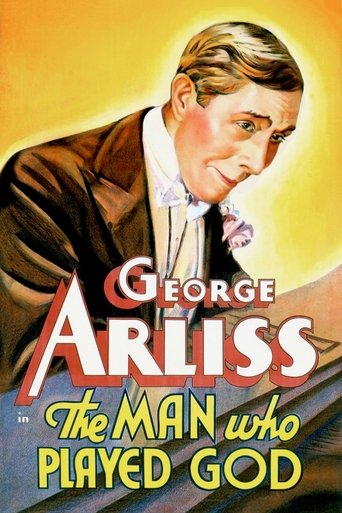
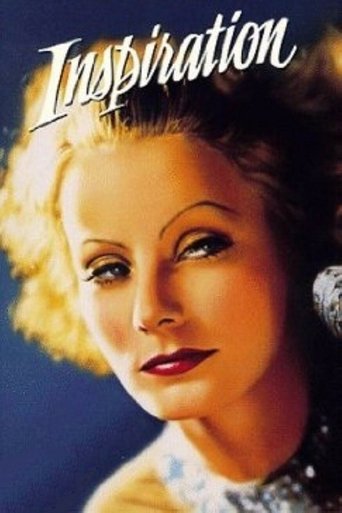
Oscar Apfel filmography
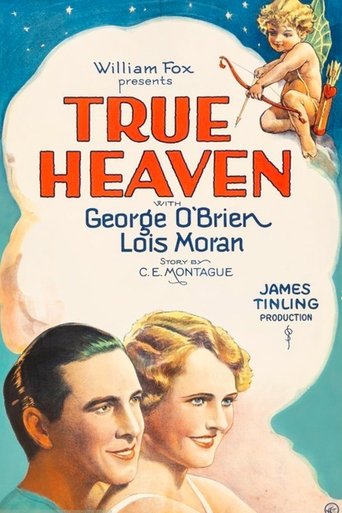
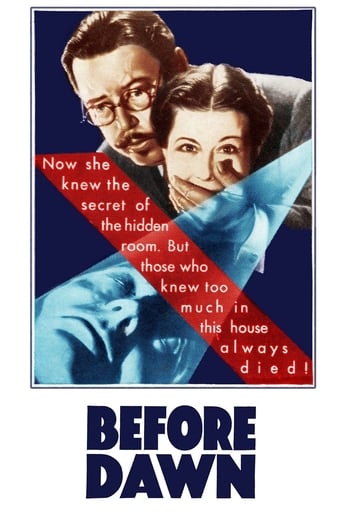
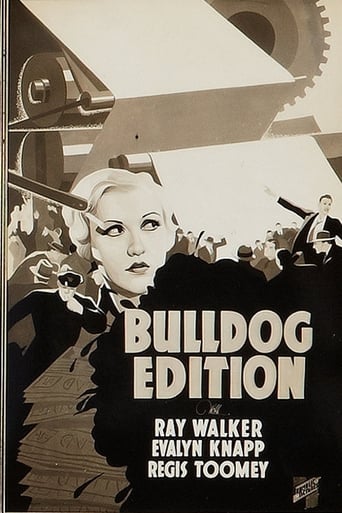
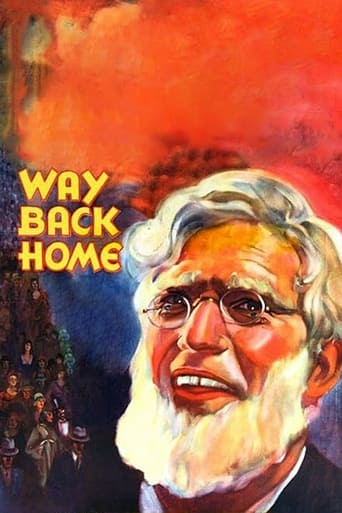
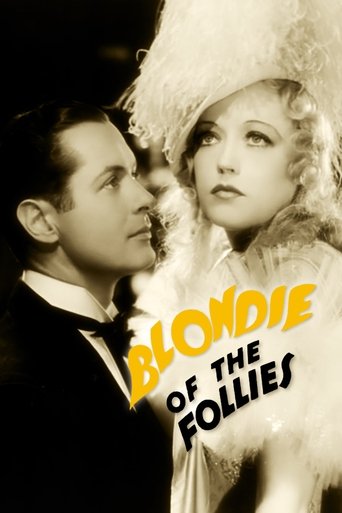
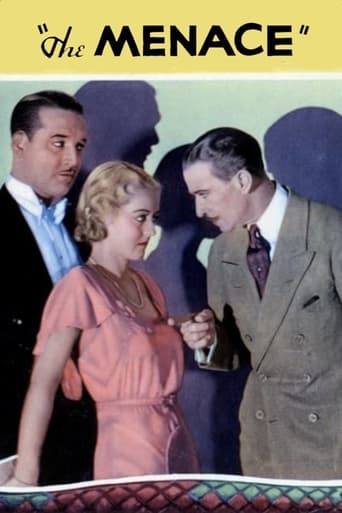
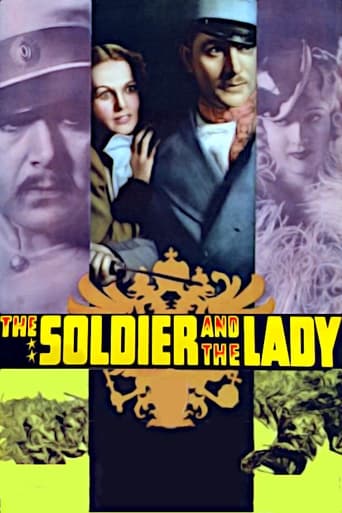
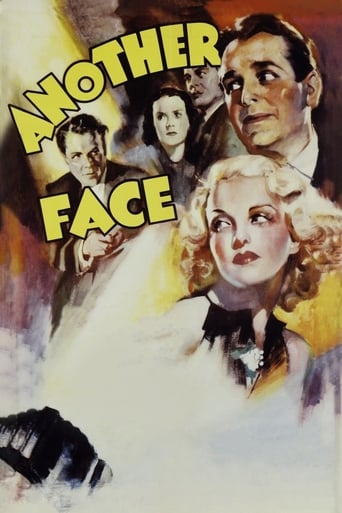
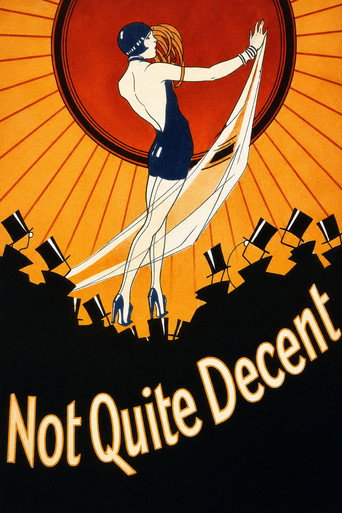
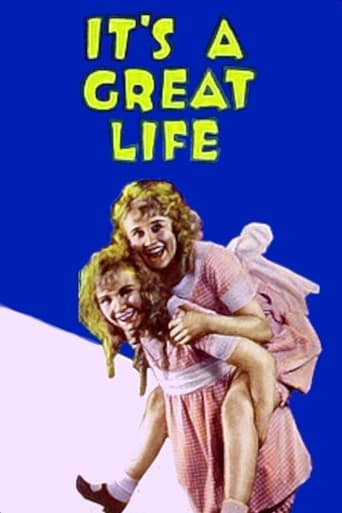
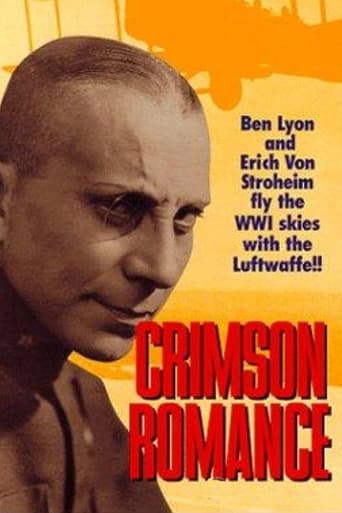
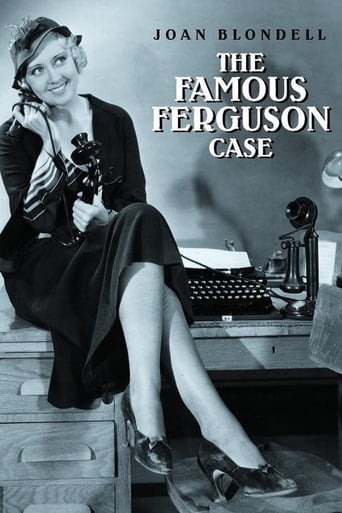
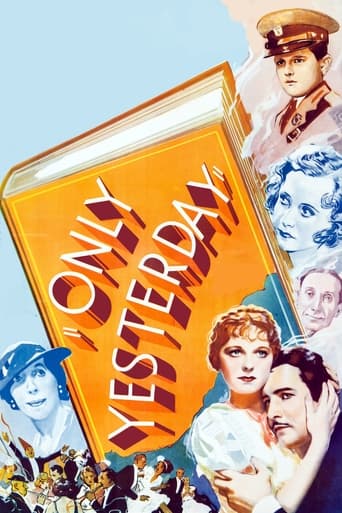
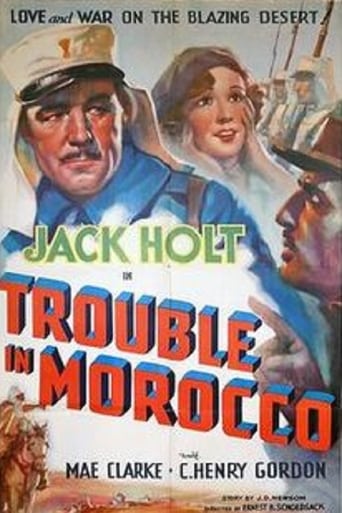
Filmography198


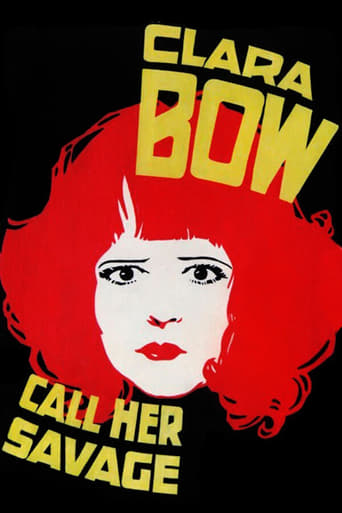
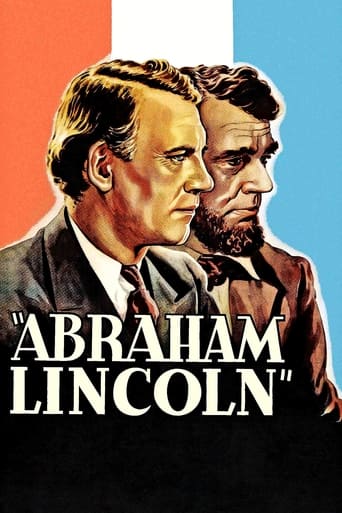
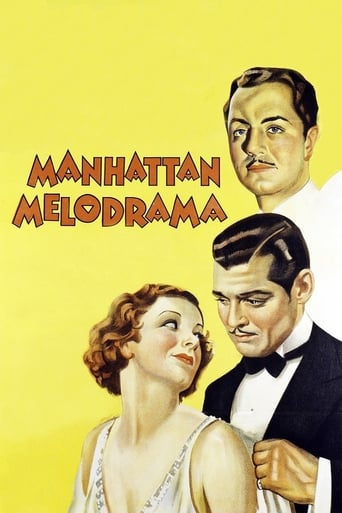
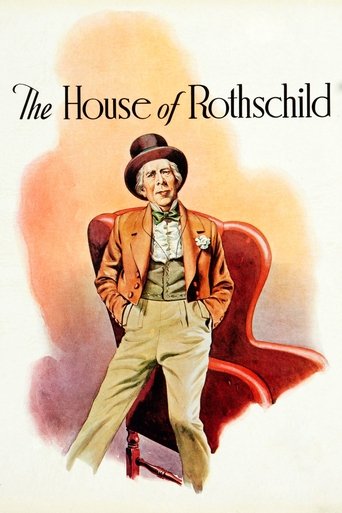




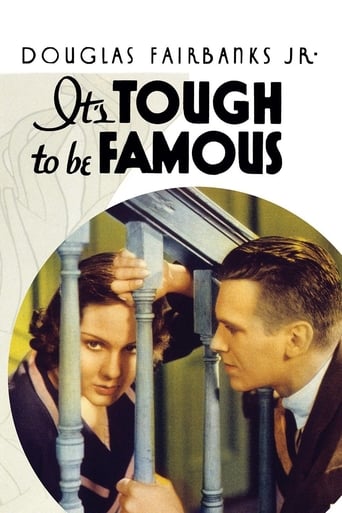
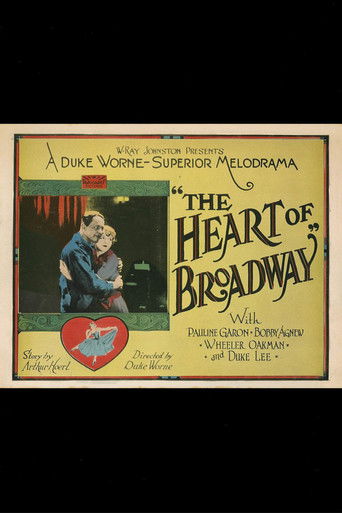

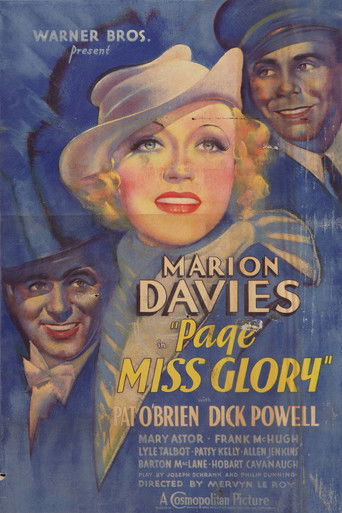
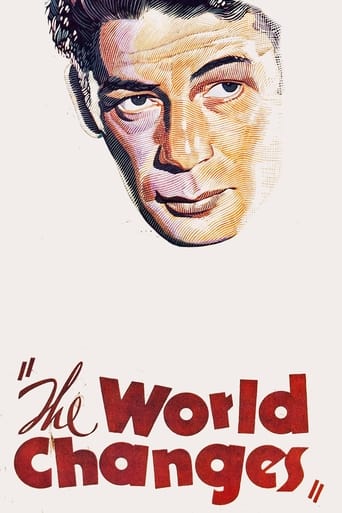
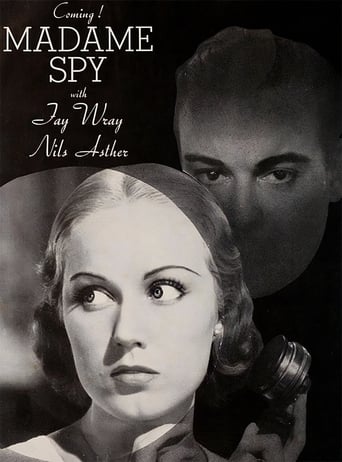

Know the day Oscar Apfel's next film opens
Follow once, we'll tell you when it reaches movie theaters.


Common questions
Who is Oscar Apfel?+
Oscar Apfel was an American film actor, director, screenwriter, and producer who transitioned from a successful Broadway stage career into pioneering early cinema with Edison and Paramount.
What is Oscar Apfel known for?+
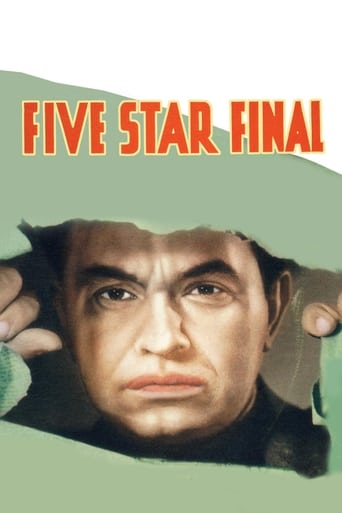
He is known for co-directing the landmark 1914 feature film The Squaw Man with Cecil B. DeMille and for appearing in over 160 films, including Manhattan Melodrama and Five Star Final.
What kind of work does Oscar Apfel make?+
His career spanned silent era features, early talkies, melodramas, Westerns, and crime dramas, operating both behind the camera as a director and later as a prolific character actor.
Not feeling it?All films in Athens