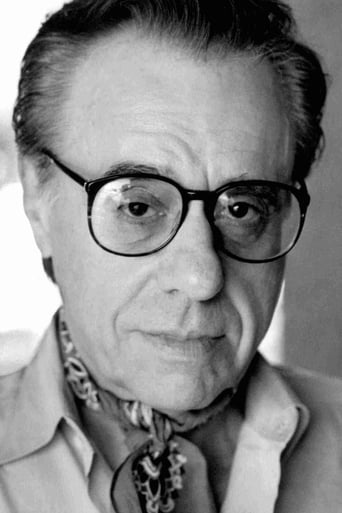
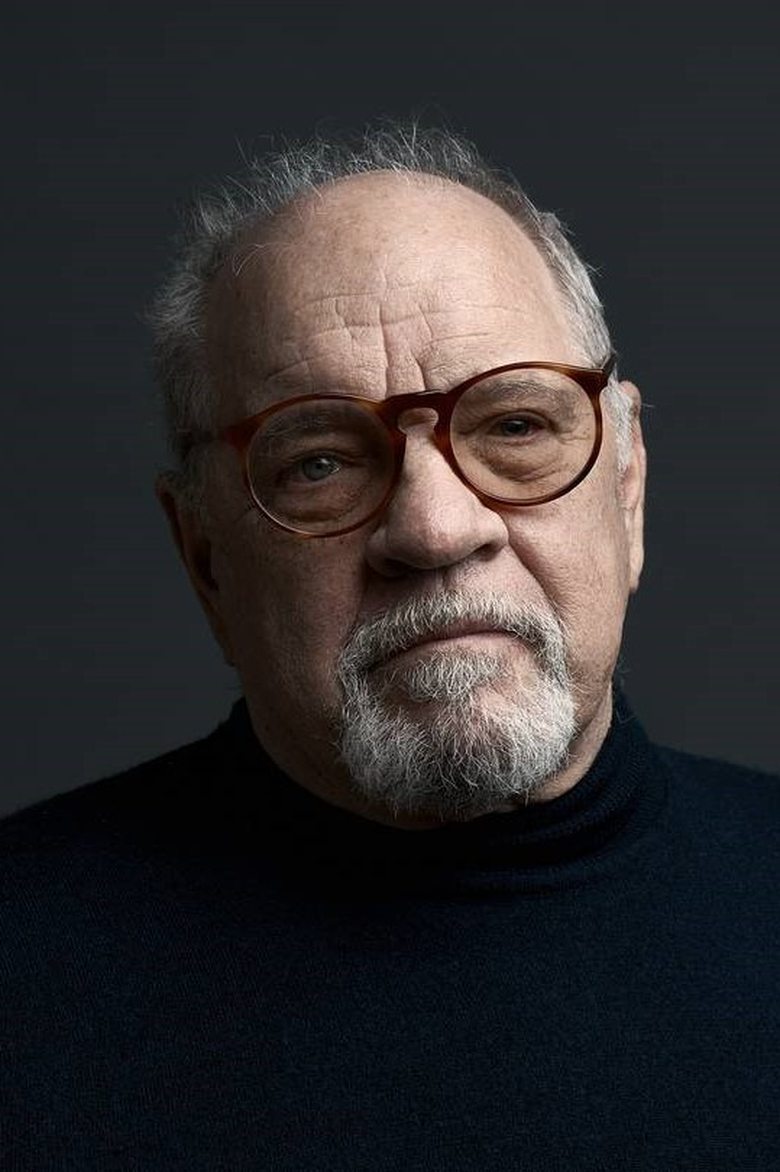
Paul Schrader
Writing
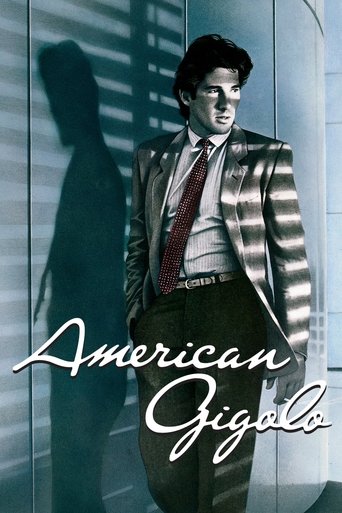
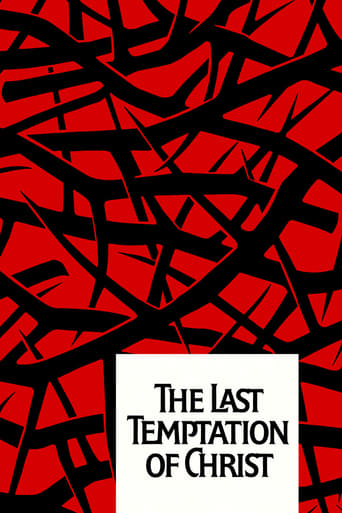
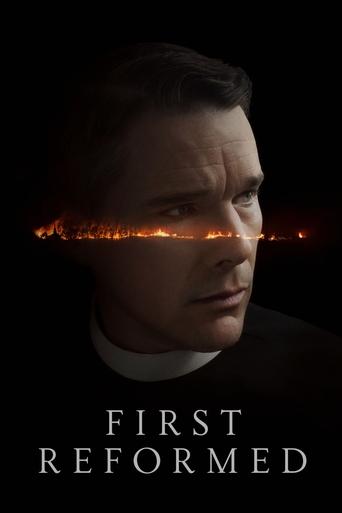
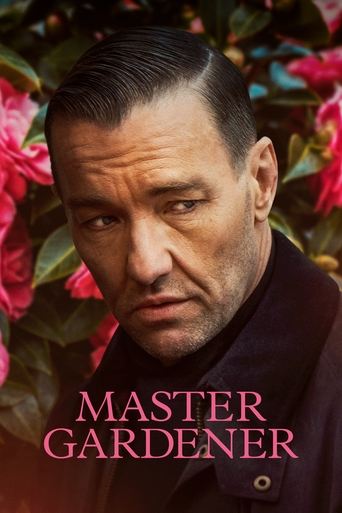
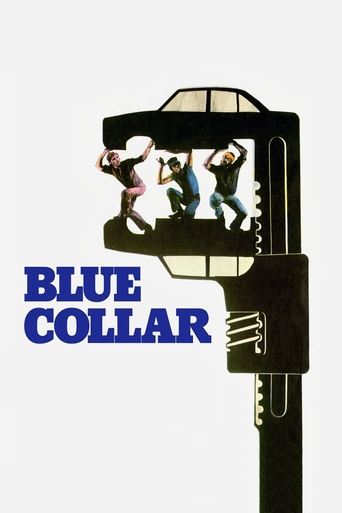
Paul Joseph Schrader (/ˈʃreɪdər/; born July 22, 1946) is an American screenwriter, film director, and film critic. He first became known for writing the screenplay of Martin Scorsese's Taxi Driver (1976). He later continued his collaboration with Scorsese, writing or co-writing Raging Bull (1980), The Last Temptation of Christ (1988), and Bringing Out the Dead (1999). Schrader has also worked extensively as a director: his 23 films include Blue Collar (1978), Hardcore (1979), American Gigolo (1980), Mishima: A Life in Four Chapters (1985), Light Sleeper (1992), Affliction (1997), and First Reformed (2017), with the last of these earning him his first Academy Award nomination. Schrader's work frequently depicts "man in a room" stories which feature isolated, troubled men confronting an existential crisis. Raised in a strict Calvinist family, Schrader attended Calvin College before pursuing film studies at UCLA on the encouragement of film critic Pauline Kael. He then worked as a film scholar and critic, publishing the book Transcendental Style in Film: Ozu, Bresson, Dreyer (1972) before transitioning to screenwriting in 1974. The success of Taxi Driver in 1976 brought greater attention to his work, and Schrader began directing his own films, beginning with Blue Collar (co-written with his brother, Leonard Schrader). Schrader has described three of his recent films as a loose trilogy: First Reformed (2017), The Card Counter (2021), and Master Gardener (2022). Description above from the Wikipedia article Paul Schrader, licensed under CC-BY-SA, full list of contributors on Wikipedia.
Paul Schrader films playing now
Playing now1
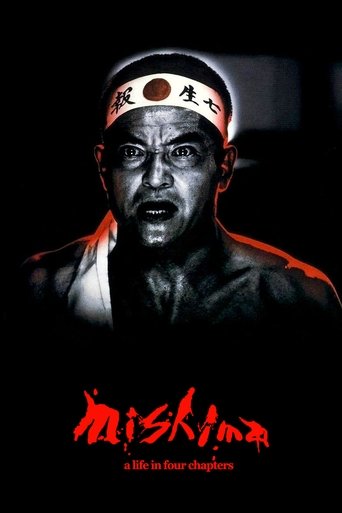
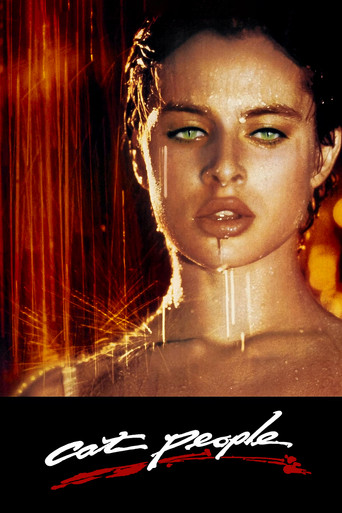
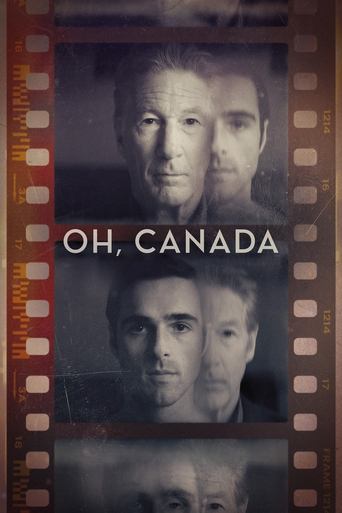
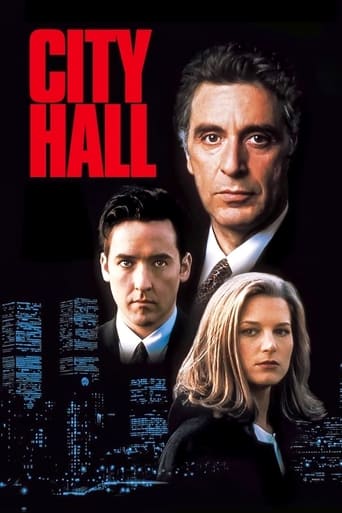
Paul Schrader filmography
Filmography86
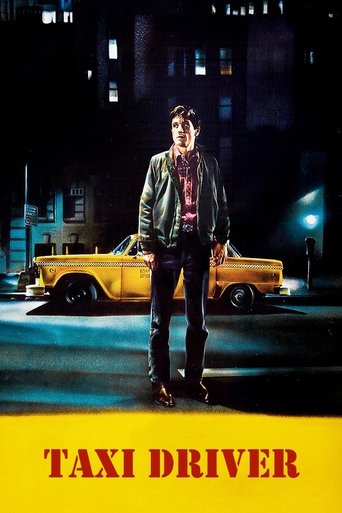
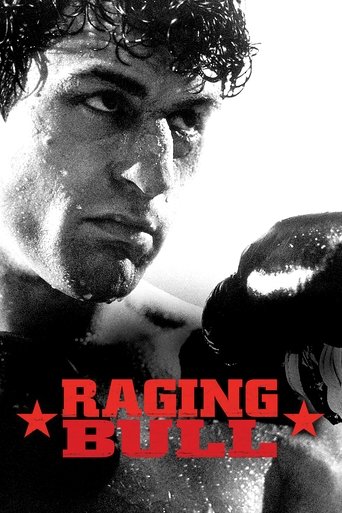
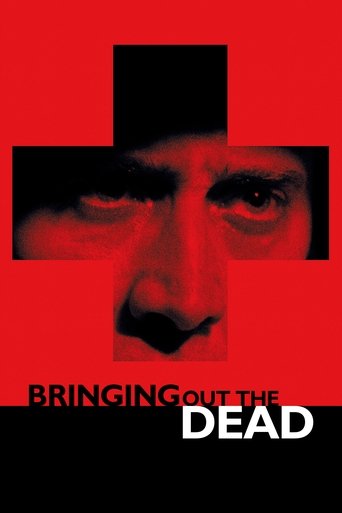



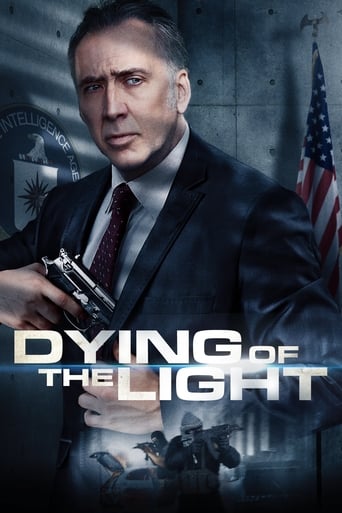

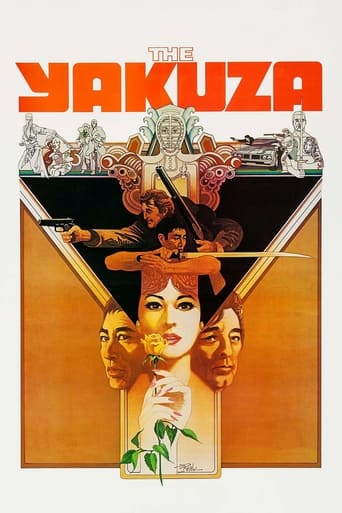
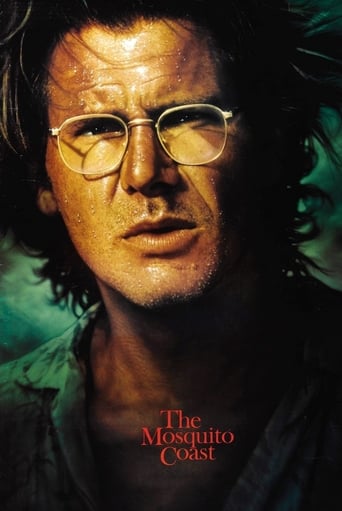

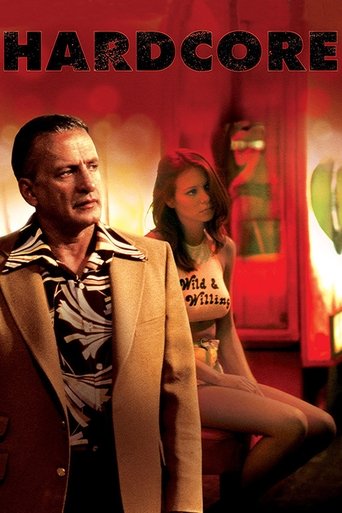
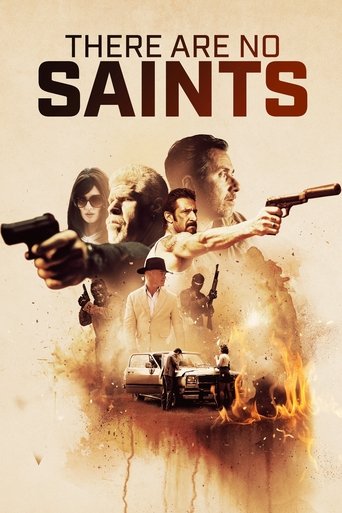
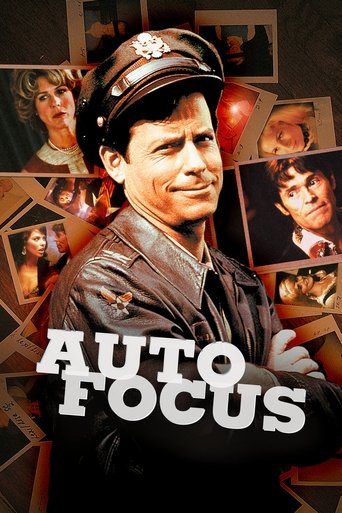
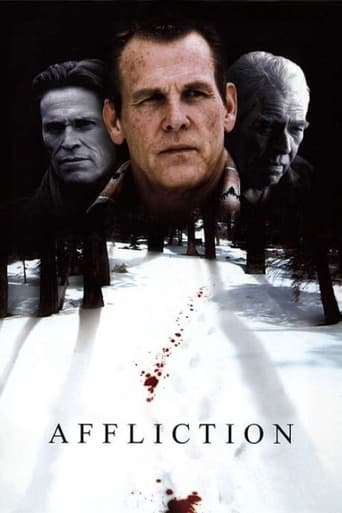
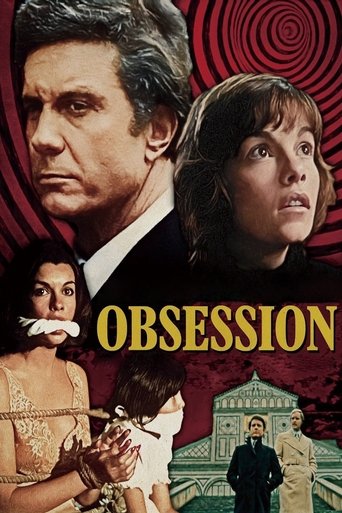






Know the day Paul Schrader's next film opens
Follow once, we'll tell you when it reaches cinemas.


Common questions
Who is Paul Schrader?+
Paul Schrader is an American screenwriter and director known for writing Taxi Driver and directing First Reformed.
What is Paul Schrader known for?+
He is known for penning acclaimed screenplays like Taxi Driver and Raging Bull, as well as directing character-driven existential dramas.
What kind of work does Paul Schrader make?+
He makes psychological dramas and thrillers featuring isolated, troubled men confronting moral and existential crises.