
Sophocles
Writing
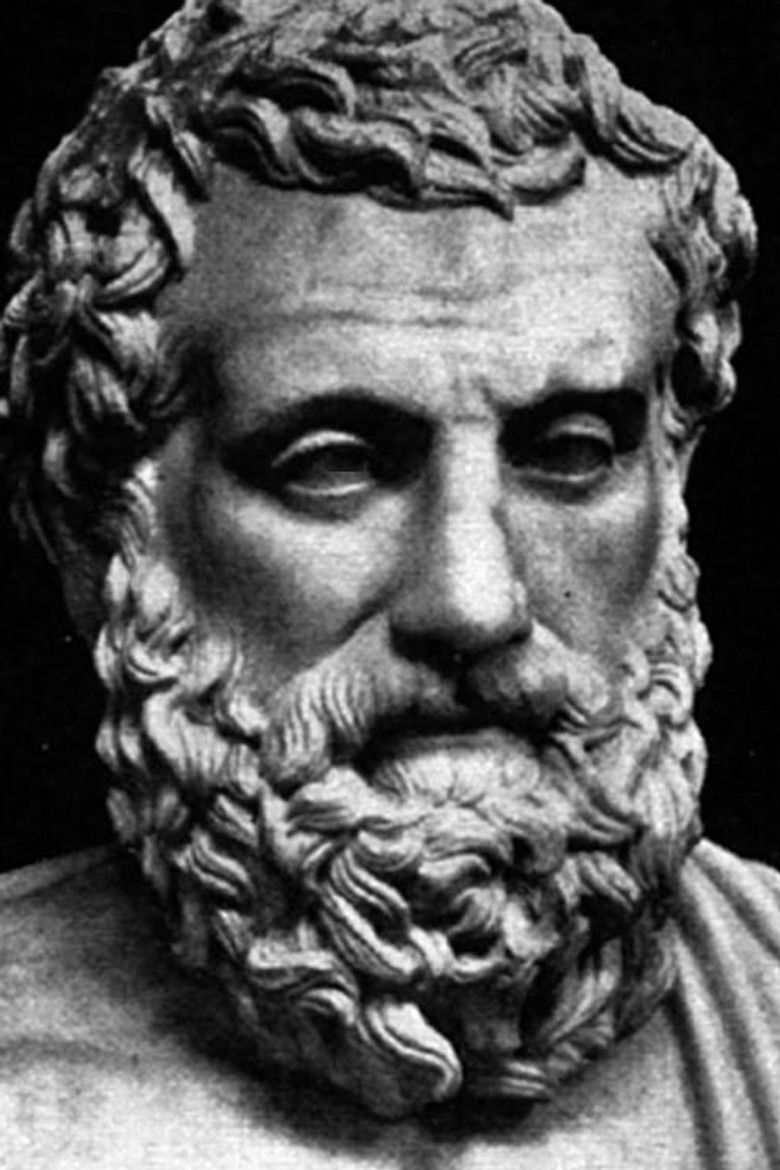
Sophocles (c. 497/496 – winter 406/405 BC) was an ancient Greek tragedian known as one of three from whom at least two plays have survived in full. His first plays were written later than, or contemporary with, those of Aeschylus and earlier than, or contemporary with, those of Euripides. Sophocles wrote more than 120 plays, but only seven have survived in a complete form: Ajax, Antigone, Women of Trachis, Oedipus Rex, Electra, Philoctetes, and Oedipus at Colonus. For almost 50 years, Sophocles was the most celebrated playwright in the dramatic competitions of the city-state of Athens, which took place during the religious festivals of the Lenaea and the Dionysia. He competed in 30 competitions, won 24, and was never judged lower than second place. Aeschylus won 13 competitions and was sometimes beaten by Sophocles; Euripides won four. The most famous tragedies of Sophocles feature Oedipus and Antigone: they are generally known as the Theban plays, though each was part of a different tetralogy (the other members of which are now lost). Sophocles influenced the development of drama, most importantly by adding a third actor (attributed to Sophocles by Aristotle; to Aeschylus by Themistius), thereby reducing the importance of the chorus in the presentation of the plot. He also developed his characters to a greater extent than earlier playwrights.
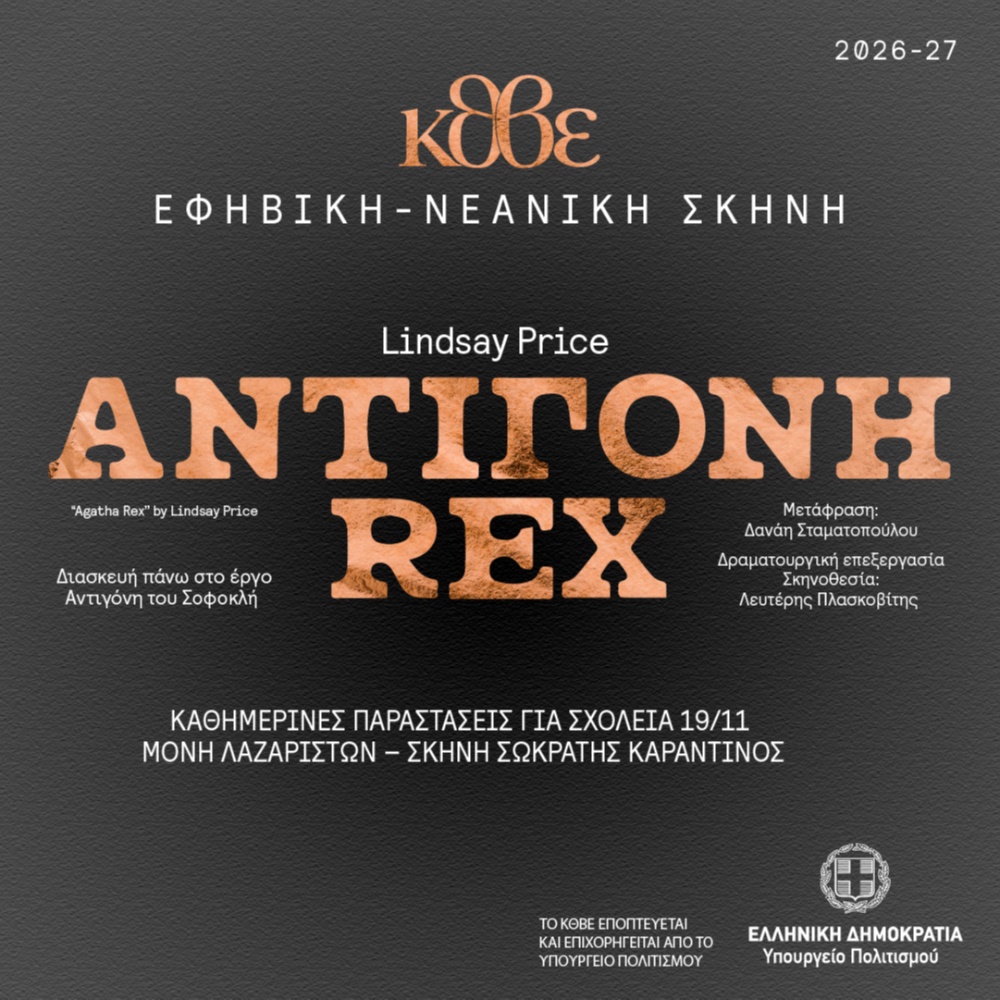
Sophocles plays on stage now
On stage now2

Sophocles filmography
Filmography51
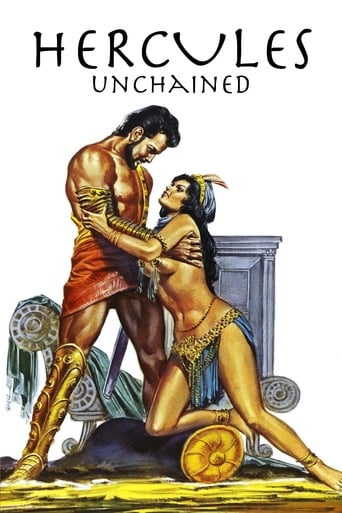
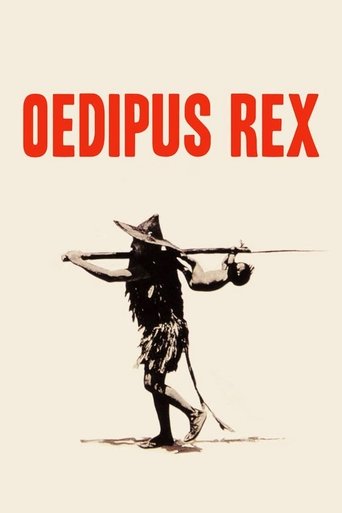


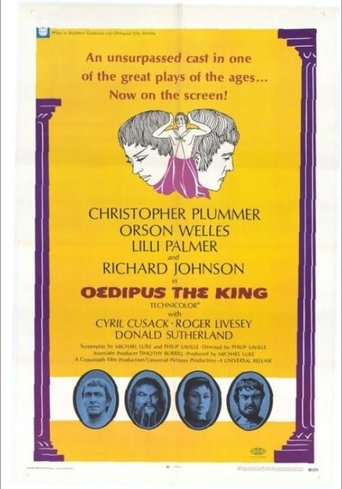











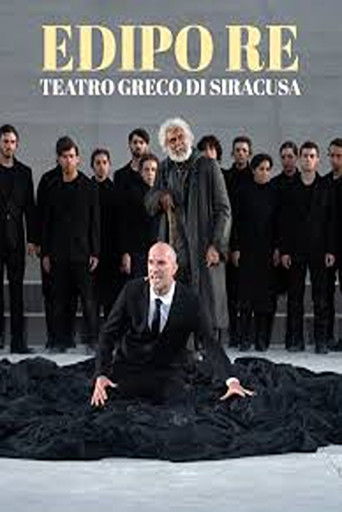




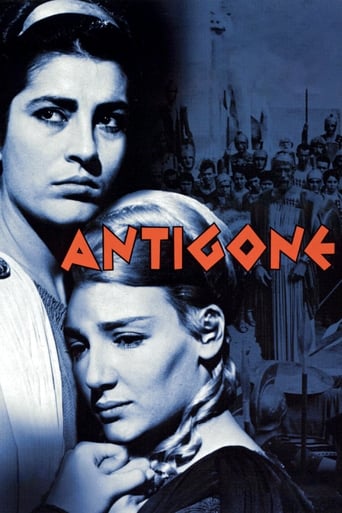


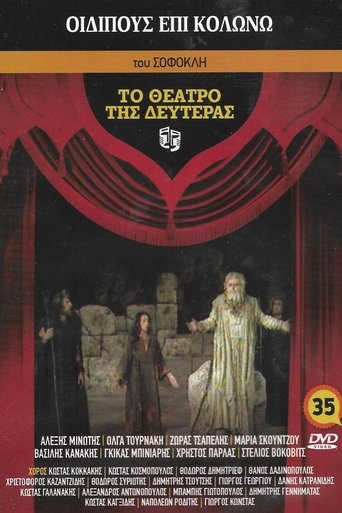









Know the day Sophocles's next film opens
Follow once, we'll tell you when it reaches cinemas.


Common questions
Who was Sophocles?+
Sophocles was an ancient Greek tragedian and one of history's most celebrated playwrights, renowned for shaping the conventions of classical drama.
What is Sophocles known for writing?+
Sophocles is best known for surviving masterworks such as Oedipus Rex, Antigone, and Oedipus at Colonus.
Which theatrical institution is Sophocles associated with?+
He is historically associated with the City Dionysia and Lenaia festivals of ancient Athens.