Cinemas
EN
Terence Fisher
Director
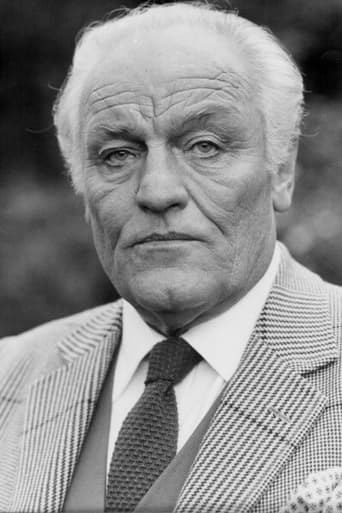
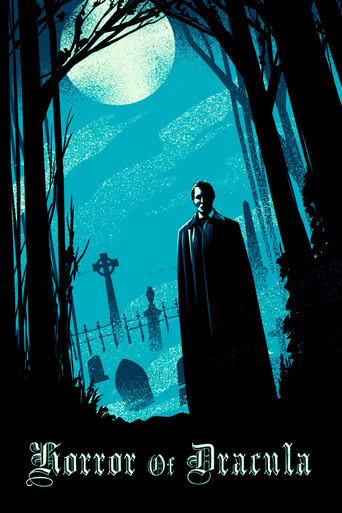
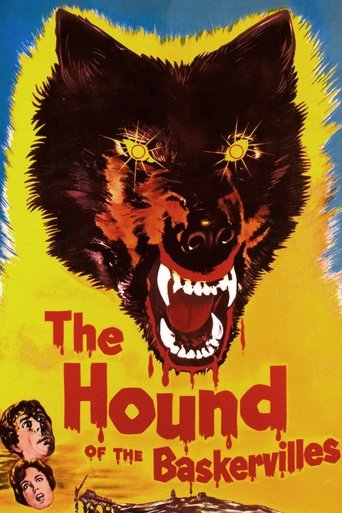
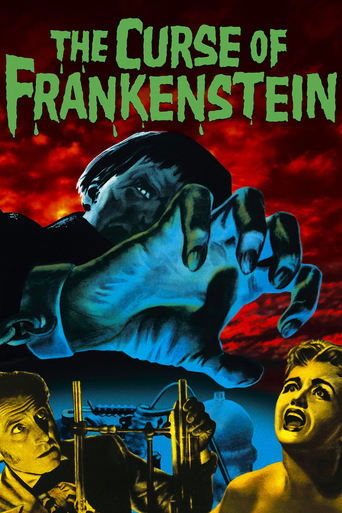
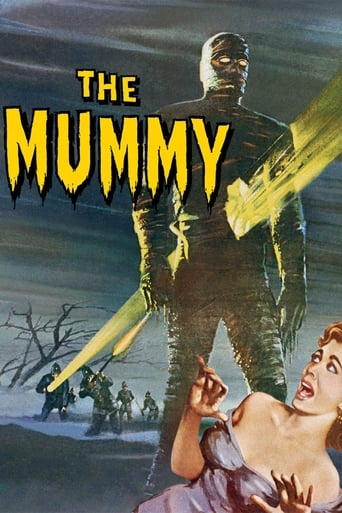
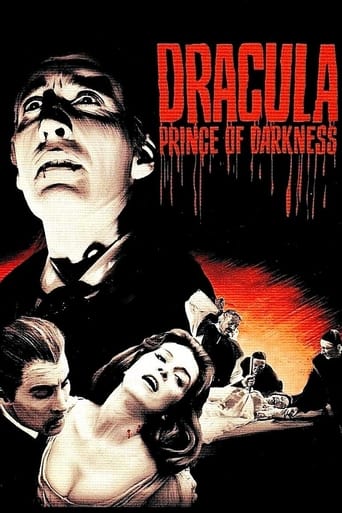
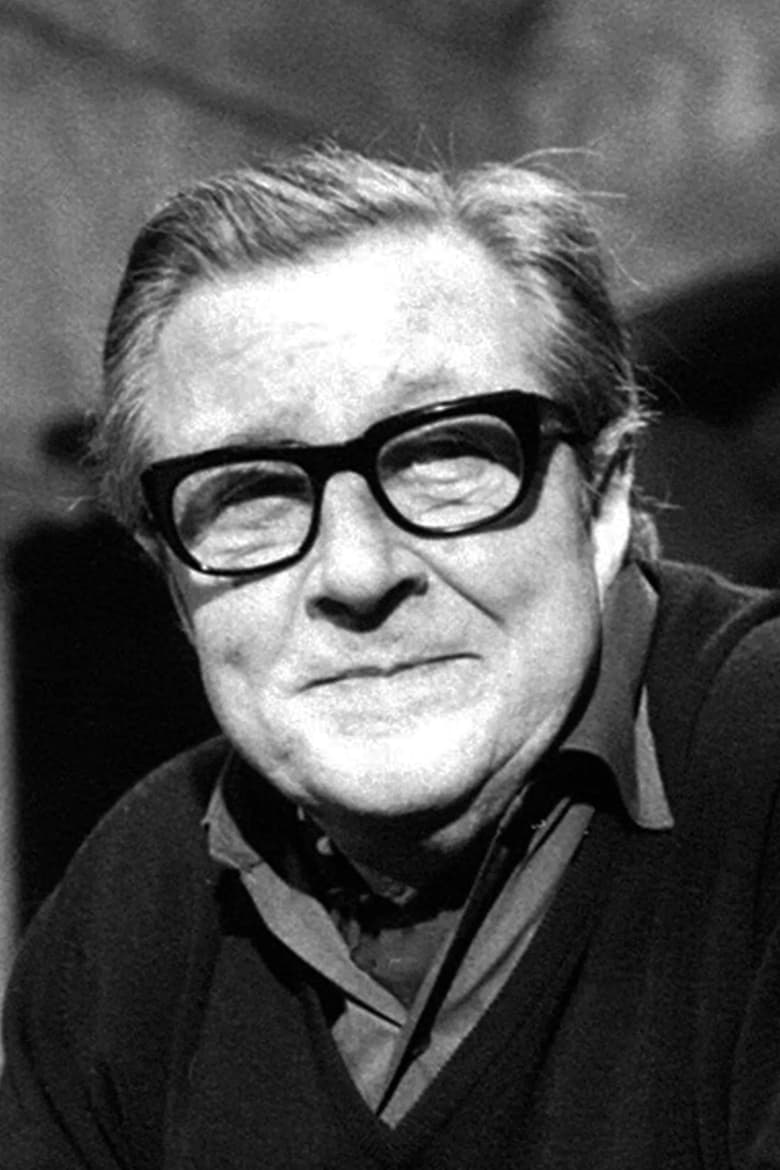
Terence Fisher (23 February 1904 – 18 June 1980) was a film director who worked for Hammer Films. He was born in Maida Vale, a district of London, England. Fisher was one of the most prominent horror directors of the second half of the 20th century. He was the first to bring gothic horror alive in full colour, and the sexual overtones and explicit horror in his films, while mild by modern standards, were unprecedented in his day. His first major gothic horror film was "The Curse of Frankenstein" (1957), which launched Hammer's long association with the genre and made British actors Peter Cushing and Christopher Lee leading horror stars of the era. He went on to film a number of adaptations of classic horror subjects, including "Dracula" (1958), "The Hound of the Baskervilles" (1959) and "The Mummy" (1959). Given their subject matter and lurid approach, Fisher's films, though commercially successful, were largely dismissed by critics during his career. It is only in recent years that Fisher has become recognised as an auteur in his own right. His films are characterised by a blend of fairy-tale, myth and sexuality. They draw heavily on Christian themes, and there is usually a hero who defeats the powers of darkness by a combination of faith in God and reason, in contrast to other characters, who are either blindly superstitious or bound by a cold, godless rationalism. Description above adapted from the Wikipedia article Terence Fisher, licensed under CC-BY-SA, full list of contributors on Wikipedia.
Terence Fisher films playing now
Playing now1
Terence Fisher filmography
Filmography66
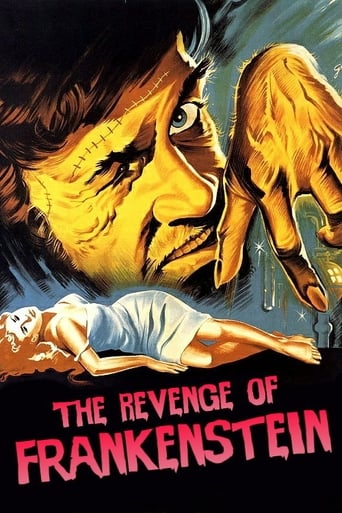
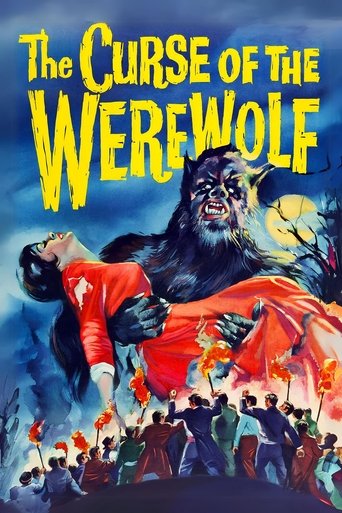
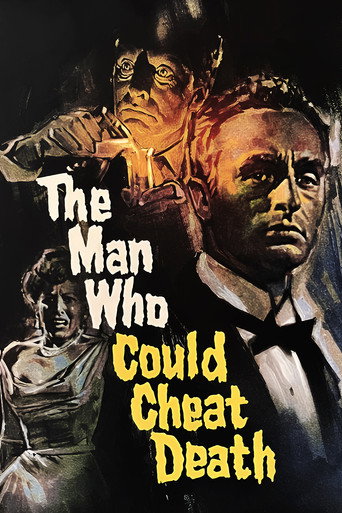
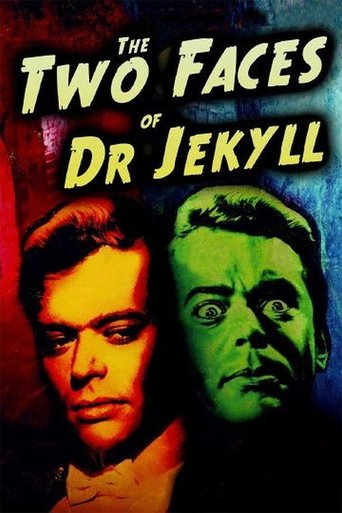
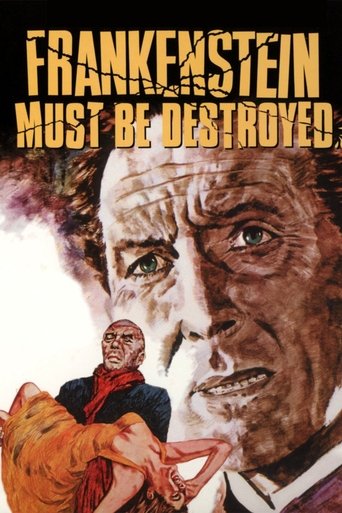
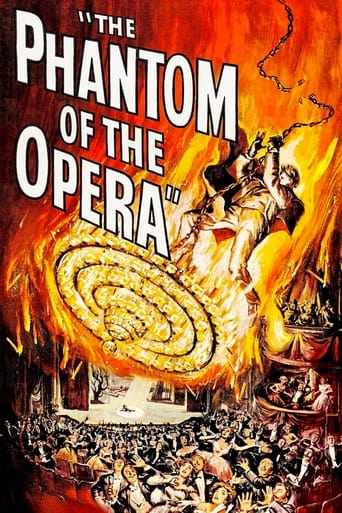
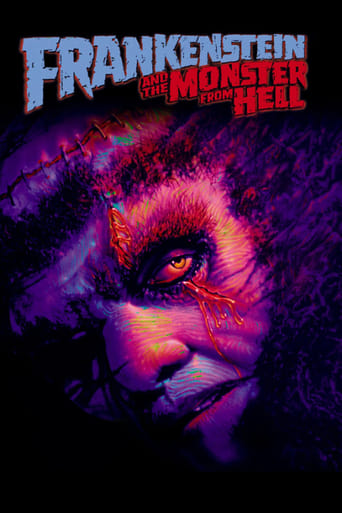

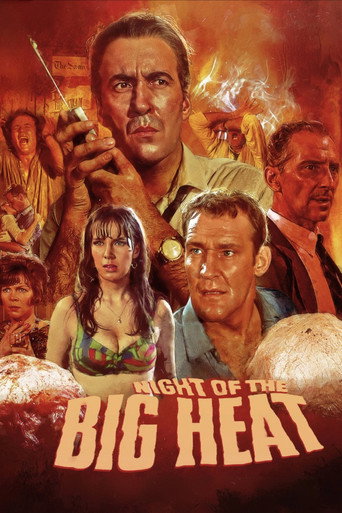
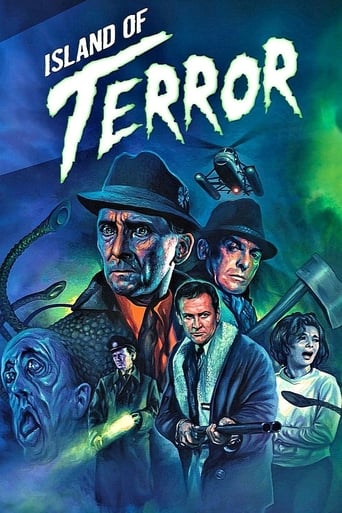
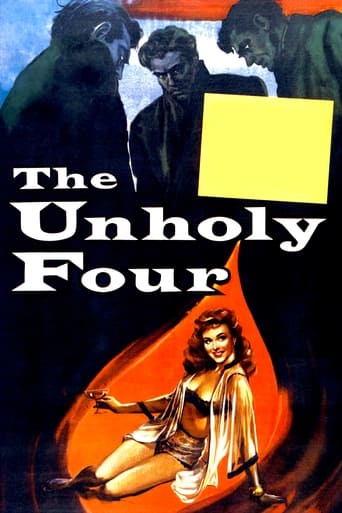
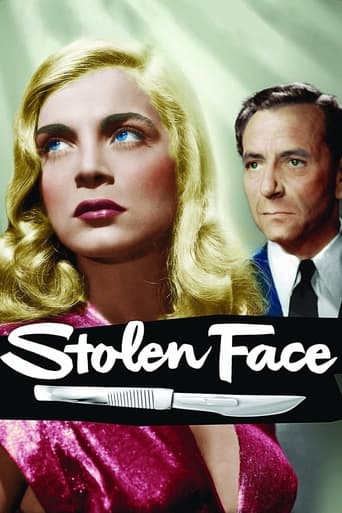

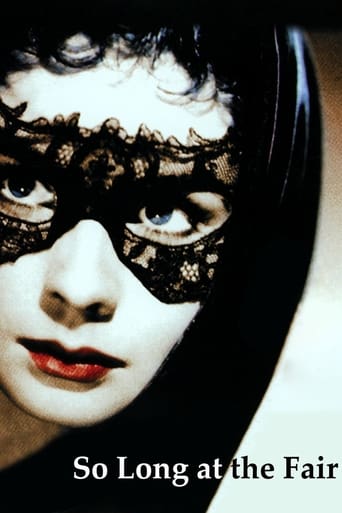
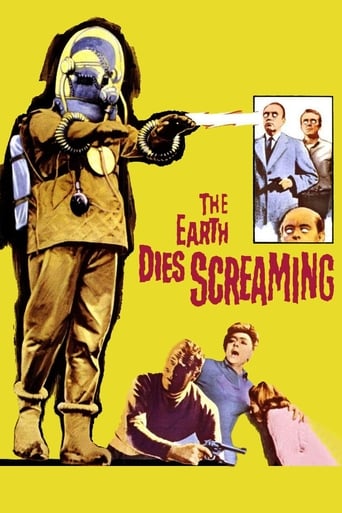
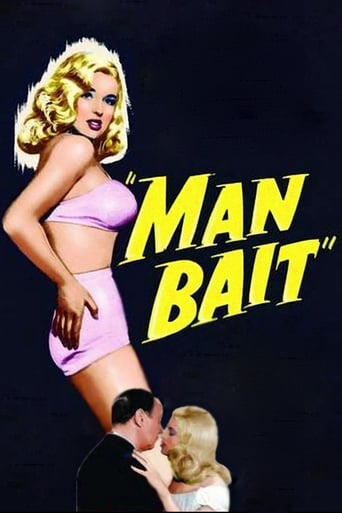
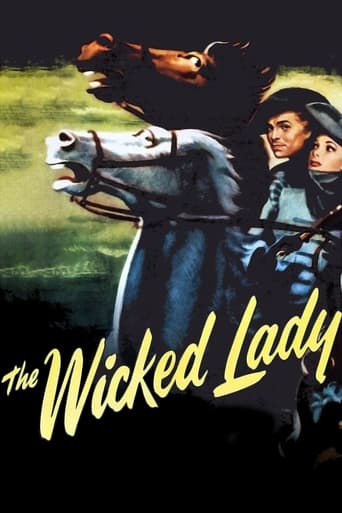
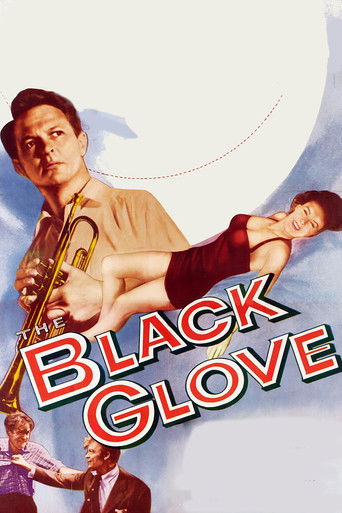
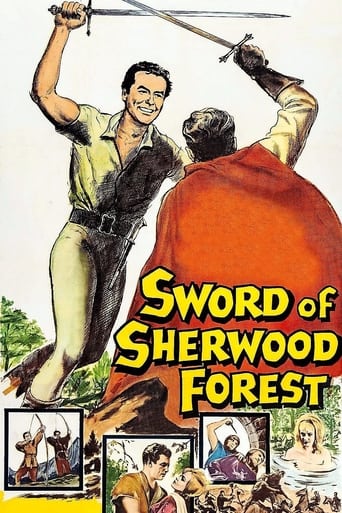
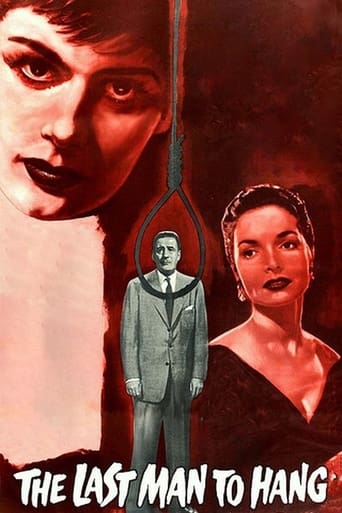





Know the day Terence Fisher's next film opens
Follow once, we'll tell you when it reaches movie theaters.


Common questions
Who is Terence Fisher?+
Terence Fisher was a British filmmaker and key figure at Hammer Films who pioneered the gothic horror genre during the 1950s and 1960s.
What is Terence Fisher known for?+
He is recognized for directing foundational horror entries such as The Curse of Frankenstein, Dracula, and The Mummy, which helped define the Hammer house style.
How did his career begin?+
He entered the film industry in 1933 and worked as a film editor for over a decade before moving into the director's chair in the late 1940s.
Which films define his legacy?+
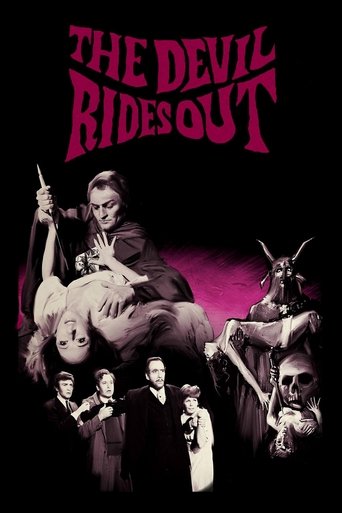
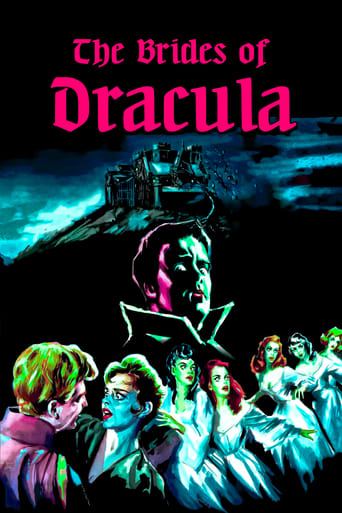
Key works include The Devil Rides Out, The Brides of Dracula, and his extensive series of Frankenstein adaptations that brought color and intensity to the genre.
Not feeling it?All films in Athens