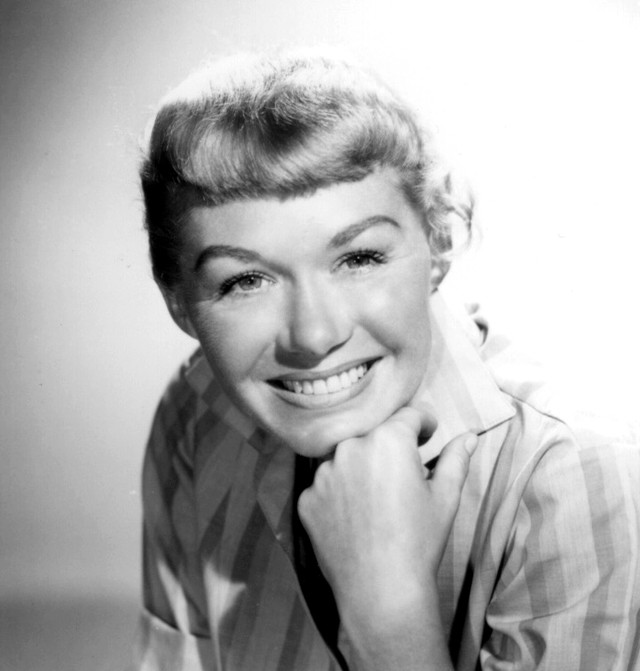
Jeri Southern
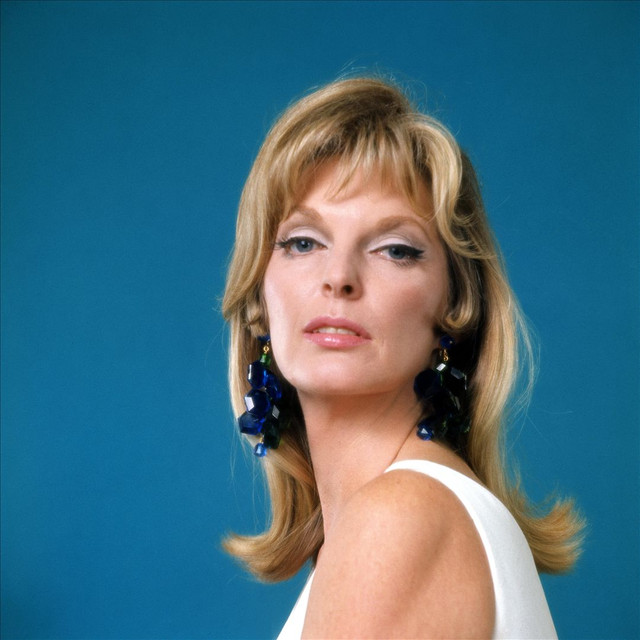
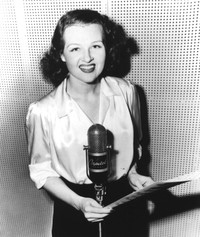
A converted piano player and vocal coach, Jeri Southern became one of the most underrated jazz vocal interpreters of the 1950s despite a voice regarded as subpar. Transforming a potential failing into her prime strength, Southern was devastatingly effective at delivering songs charting the downhill romantic life of world-weary everywoman characters. After recording for Decca, Roulette, Capitol and Jasmine during the 1950s though, she abruptly retired after growing tired of the music industry. Born in rural Nebraska, Jeri Southern played piano by ear at the age of three and began formal lessons three years later. She studied classical piano and voice at a school in Omaha, but after an introduction to jazz at a local nightclub, Southern quickly changed her focus. After graduation, she moved to Chicago and began making appearances at clubs during the late '40s, occasionally supporting Anita O'Day. Convinced to begin singing as well, Southern abandoned her classical training and began singing in a voice just several steps removed from her speaking voice. After signing to Decca in 1951, her first hit, "You Better Go Now," established her style -- lyrically focused, somewhat desultory, and definitely lovesick, the style of singing often called (for better or worse) torch songs. Her decidedly unflashy voice lent additional weight to the lyrical concerns of other Southern favorites like "I Don't Know Where to Turn," "Ev'ry Time We Say Goodbye," "Someone to Watch Over Me" and "If I Had You." She also had a moderate hit in 1954 with "Joey" and toured with the Birdland Jazz Stars of 1957. Southern's LPs of the '50s for Decca utilized mostly small groups in an era of large orchestras, including top-flight jazz-pop names like Ralph Burns, Dave Barbour and Marty Paich. After Southern recorded two LPs for Roulette during 1958, she moved to Capitol for her most celebrated album, 1959's Jeri Southern Meets Cole Porter, arranged by Billy May. She recorded only one additional LP for Capitol (live at the Crescendo) before retiring in 1961, disgusted at the state of traditional pop. She married several times, raised a family and worked as a piano/vocal coach in Hollywood until her death (from double pneumonia) in 1991. She was booked for her first studio time in years at the time of her death. ~ John Bush, Rovi

Get notified when Jeri Southern announces a show
Be the first to know.


What kind of music does Jeri Southern play?+
Jeri Southern plays Vocal Jazz, Jazz. A converted piano player and vocal coach, Jeri Southern became one of the most underrated jazz vocal interpreters of the 1950s despite a voice regarded as subpar.
How can I find out when Jeri Southern is playing?+
Follow Jeri Southern on Mood to get notified when new shows are added. Mood tracks their upcoming events across all supported cities.