

"What ghost would dare hate us?"masculinity punished and vengeful in failure, female desire empowered by death. putting out fires with gasoline.
We use cookies to personalize your experience and analyze traffic. You can opt out at any time.
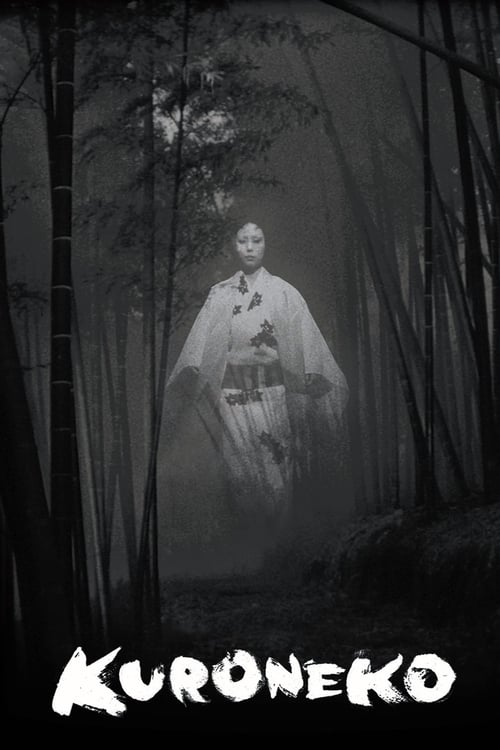
In the Sengoku period, a woman and her daughter are raped and murdered by soldiers during a time of civil war. Afterwards, a series of samurai returning from the war through that area are found mysteriously dead with their throats torn out. The governor calls in a wild and fierce young hero to quell what is evidently an Onryō ghost.
No showtimes for Kuroneko in Los Angeles today.
Kuroneko showtimes, refreshed every morning
Pick your cinema, get a nudge before it leaves screens.


"What ghost would dare hate us?"masculinity punished and vengeful in failure, female desire empowered by death. putting out fires with gasoline.

80What a ghost story. Horrified by the violence brought on by men, and fascinated by the echoes of history and revenge. Often its dreamy, repetitive aesthetic takes on the nature of an endless loop, a trap set off time and time again, with man's evil confronted by the agency of women. Eventually it complicates its narrative, with heartbreaking results, but the first act is a perfect horror film in miniature. The images practically float across the screen.

Moonlit horror, feline lust. When the grief for your wife consumes you,, any pussy will do.
Set during the Sengoku period, the film follows two murdered women who return as vengeful spirits targeting passing samurai in a bamboo forest.
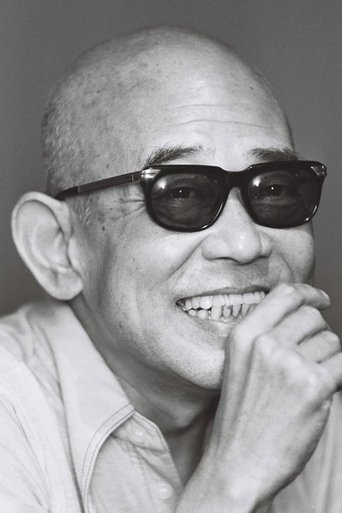
Kaneto Shindō directed Kuroneko in 1968, following his acclaimed folk horror masterpiece Onibaba.
Kuroneko competed internationally and cemented its director's reputation as a master of atmospheric Japanese horror.