


Every action movie is better with train sequences and this has a lot of train sequences (it’s called The Train)
We use cookies to personalize your experience and analyze traffic. You can opt out at any time.

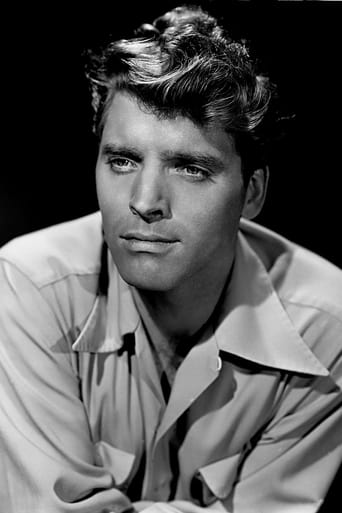
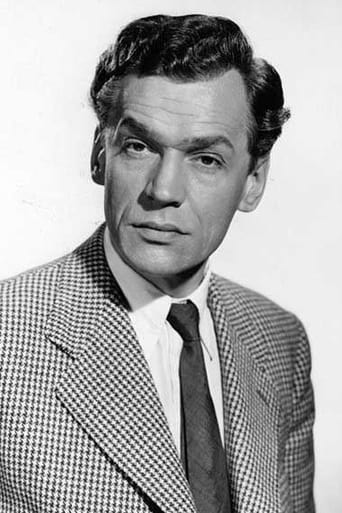
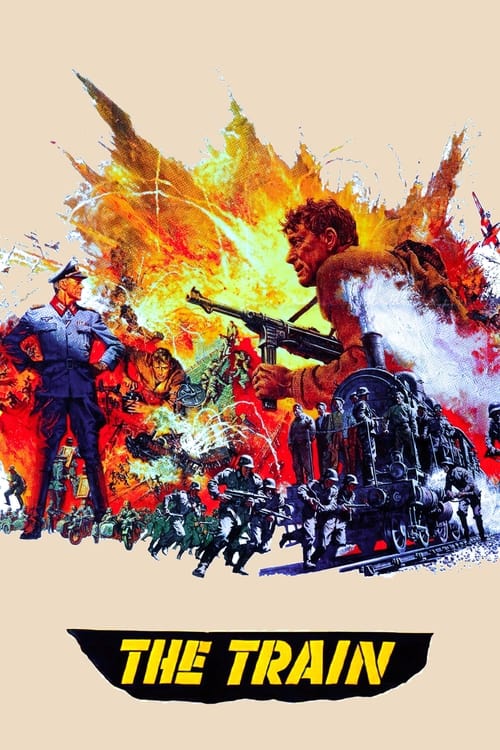
As the Allied forces approach Paris in August 1944, German Colonel Von Waldheim is desperate to take all of France's greatest paintings to Germany. He manages to secure a train to transport the valuable art works even as the chaos of retreat descends upon them. The French resistance however wants to stop them from stealing their national treasures but have received orders from London that they are not to be destroyed. The station master, Labiche, is tasked with scheduling the train and making it all happen smoothly but he is also part of a dwindling group of resistance fighters tasked with preventing the theft. He and others stage an elaborate ruse to keep the train from ever leaving French territory.
The Train isn't screening in cinemas right now.
Follow the film in the app to get notified when showtimes are added.
The Train showtimes, refreshed every morning
Pick your cinema, get a nudge before it leaves screens.


Every action movie is better with train sequences and this has a lot of train sequences (it’s called The Train)

"You talk about the war, I'll talk about what it costs."Proves itself by barely discussing the precious art (mostly a series of names hastily painted on crates), but you see almost every single life lost for it at the very moment of sacrifice. Nor are people's lives some exalted abstract. Their worth isn't a platitude. their sweat is their value, their labor in every way the equal of that which might go into any painting. Watch Lancaster, in a matter of a few long but unostentatiously economical shots, single-handedly repair a locomotive connecting rod. Plus actual fucking trains smash into each other in this, which is awesome, and oh yeah they blow up a real rail yard.

The phrase "you could never make this movie today" does not even begin to encapsulate the enormity of The Train. You could never make this movie in 1964. Burt Lancaster walks across the train yard from the switch tower to his houseboat. The movie does not demand a flawlessly orchestrated background of shifting artillery vessels, marching soldiers, construction crews, smoke, and sparks. Anyone in their right mind would say, "Hey, can we not? Let's just have him entering the houseboat."This movie does not demand several legitimate, authentic, full speed train collisions and derailments. There are plenty of ways to cheat that.This movie does not demand that we see Lancaster build a mold of hot metal, shave it down, fit it to a connecting rod, crane lift it onto sawhorses, and fasten it onto the train wheels in a single shot.This movie does not demand that we see Jacques' nephew remove the casing from the power box of an air raid siren, slip the cables, and spark them to make it wail.This movie does not demand that we dedicate a full minute to a pair of hands diligently fitting the wires of a detonator to a mound of plastique. For fuck's sake, this is a movie about saving a train full of paintings. This should be a movie about art. Why is this a movie about utility? Because the hands that save the art are not the hands of artists. They are the hands of workers. I don't care how many movies you make over how many years, the most efficient way to the heart of the audience is to tell the story through action. There is no better movie that glorifies the labor and toil of yesteryear than The Train. Sweat, blood, tears, sacrifice. I don't care how heavily dramatized it is. The Train is The Truth.
In occupied France, a railway station master orchestrates a dangerous mission to prevent a Nazi colonel from transporting stolen art to Germany by train.
The film was directed by John Frankenheimer in 1964, a director recognized for his technical command and realistic approach to action sequences.
The film received an Academy Award nomination for Best Original Screenplay and remains highly regarded for its technical achievements in practical cinematography.