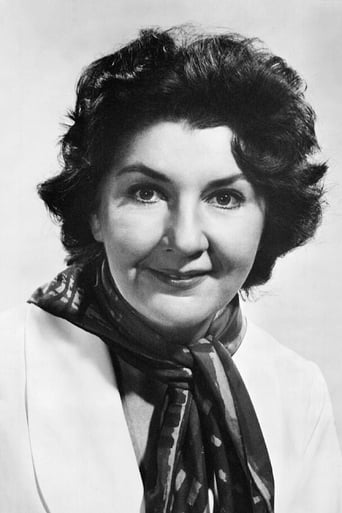
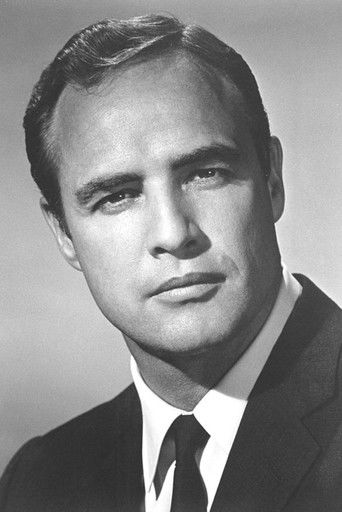
Tennessee Williams
Writing
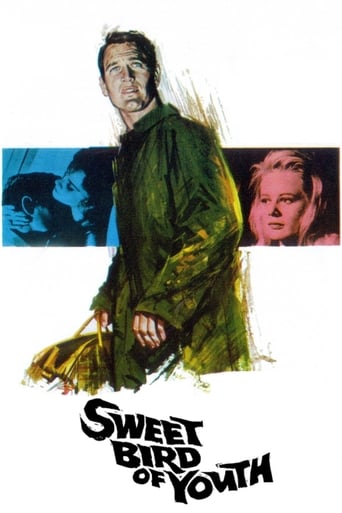
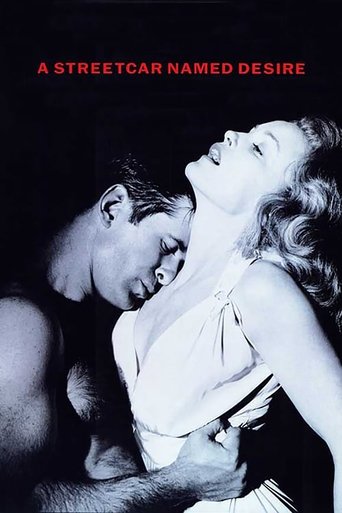
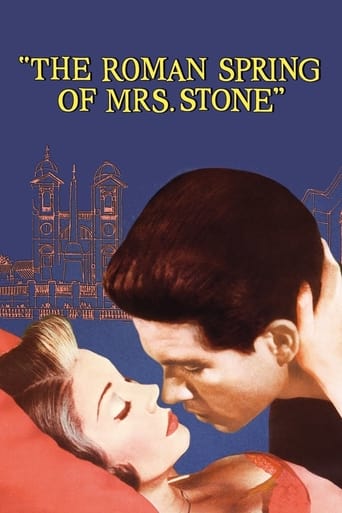
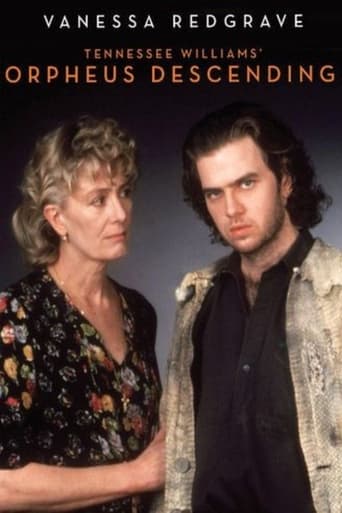
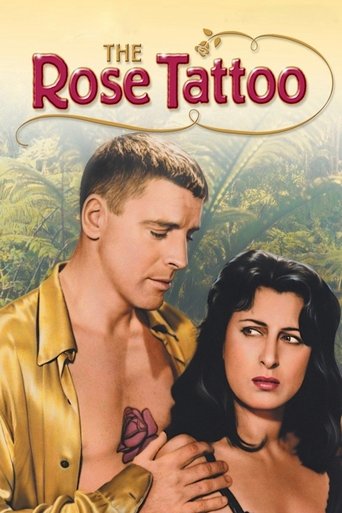
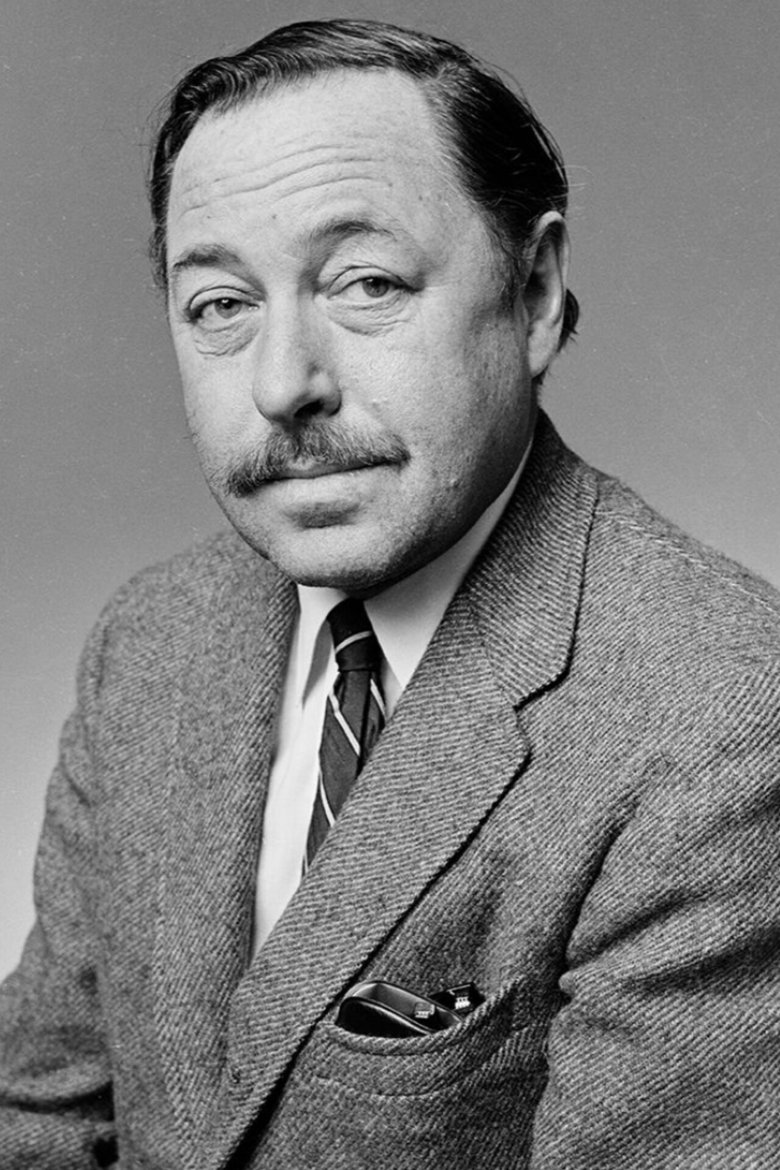
Thomas Lanier Williams III (March 26, 1911 – February 25, 1983), known by his pen name Tennessee Williams, was an American playwright and screenwriter. Along with contemporaries Eugene O'Neill and Arthur Miller, he is considered among the three foremost playwrights of 20th-century American drama. At age 33, after years of obscurity, Williams suddenly became famous with the success of The Glass Menagerie (1944) in New York City. It was the first of a string of successes, including A Streetcar Named Desire (1947), Cat on a Hot Tin Roof (1955), Sweet Bird of Youth (1959), and The Night of the Iguana (1961). With his later work, Williams attempted a new style that did not appeal as widely to audiences. His drama A Streetcar Named Desire is often numbered on short lists of the finest American plays of the 20th century alongside Eugene O'Neill's Long Day's Journey into Night and Arthur Miller's Death of a Salesman. Much of Williams's most acclaimed work has been adapted for the cinema. He also wrote short stories, poetry, essays, and a volume of memoirs. In 1979, four years before his death, Williams was inducted into the American Theater Hall of Fame. From Wikipedia.
Tennessee Williams plays on stage now
On stage now1

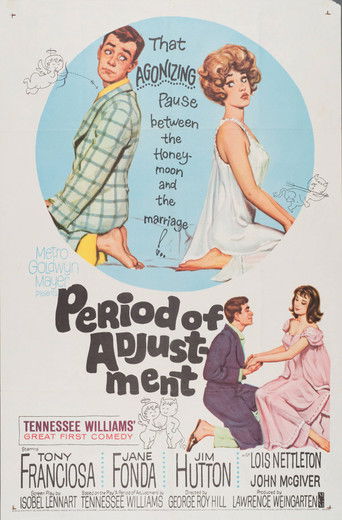
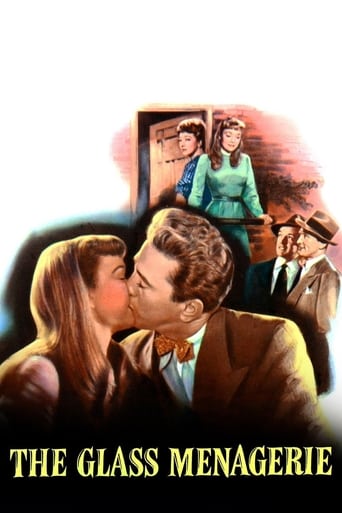
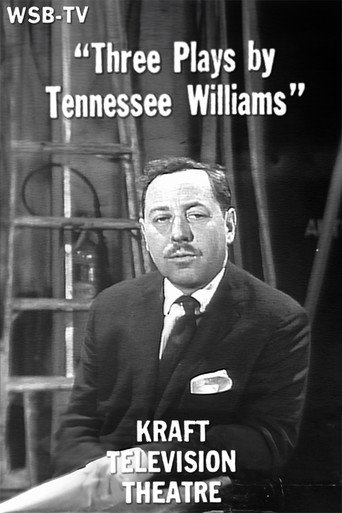
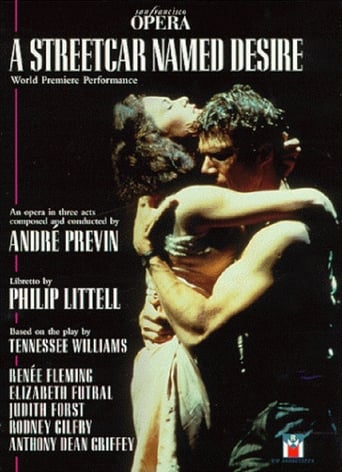
Tennessee Williams filmography
Filmography74

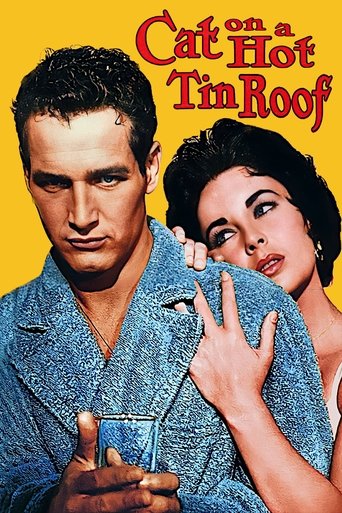
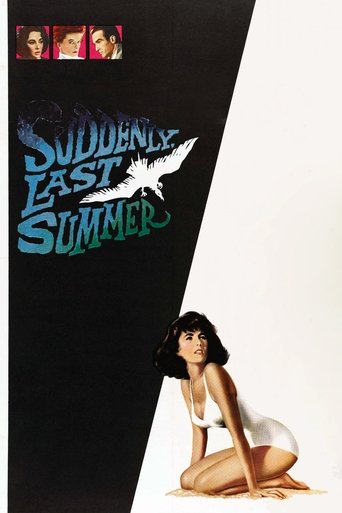























Know the day Tennessee Williams's next film opens
Follow once, we'll tell you when it reaches cinemas.


Common questions
Who is Tennessee Williams?+
Tennessee Williams was an influential American playwright and screenwriter renowned for shaping 20th-century drama with works rooted in Southern Gothic realism.
What is Tennessee Williams known for?+
He is best known for penning acclaimed theatrical works and screenplays such as A Streetcar Named Desire, The Glass Menagerie, and Cat on a Hot Tin Roof.
What themes characterize his work?+
His writing frequently explores psychological fragility, repressed sexuality, and family tension within the American South. Explore his cinematic adaptations on Mood.