
Mission Of Burma
A nostalgic, underground post-punk artist.
Tracks5
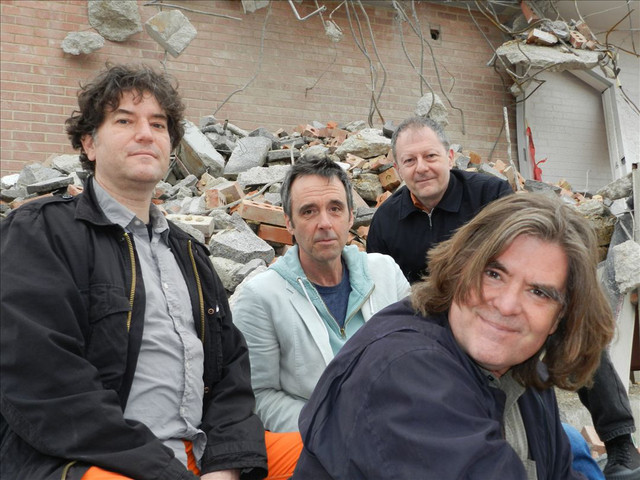
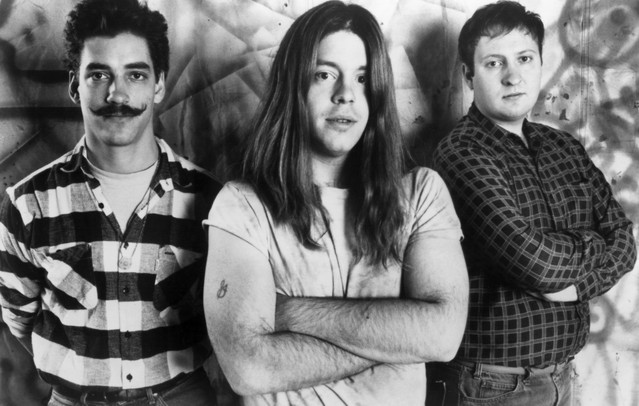
Of all the punk-inspired bands that came out of Boston in the early '80s, none were better than Mission of Burma. Arty without being too pretentious, capable of writing gripping songs and playing with ferocious intensity, guitarist Roger Miller, bassist Clint Conley, drummer Peter Prescott, and tape head Martin Swope galvanized the city's alternative rock scene, and despite a too-short existence, set a standard for excellence that has rarely been equalled -- a standard the band upheld when they unexpectedly reunited in 2002. Burma's music is vintage early-'80s post-punk: jittery rhythms, odd shifts in time, declamatory vocals, an aural assault similarly employed by bands such as Gang of Four, Mekons, and Pere Ubu -- Burma's peers as well as their influences. Also conspicuously present in the mix was the proto-punk of the Stooges and Velvet Underground (with just a dash of Led Zeppelin and Roxy Music), bands that inspired Burma's darker songwriting impulses and tendencies toward longish, repetitive jams capable of boring holes into your skull. What Burma added was a sonic texture through the use of extreme volume. Roger Miller's guitar enveloped the band in thick, distorted, cascading chords, erupting into squealing solos and (intentional) squalls of feedback. With Prescott and Conley furiously bashing in support, the band's sound was extremely physical (ask anyone who saw them live) to the point of leaving the audience feeling slightly bruised and battered, but extremely happy. After releasing an explosive single ("Academy Fight Song," still one of punk rock's greatest songs) on Boston's then-hippest indie label, Ace of Hearts, Burma released two excellent records in just over a year: the Signals, Calls and Marches EP and their only full-length studio album, Vs. The former was poppier, but in a breathtakingly intense way; the latter dark and ominous, lacking in riff-heavy punch, but still delivering a wicked blast of aural chaos. Unbeknown to fans, this was the beginning of the end. The massive volume, a key element in Burma's sound, had taken its toll on the bandmembers, especially Miller, who developed a severe case of tinnitus that hastened the band's demise. (Always the trooper, Miller played the band's final tour wearing a protective headset used on shooting ranges to prevent his ears from absorbing more punishment.) After a bittersweet farewell tour in 1983, the shows were released as a live LP entitled The Horrible Truth About Burma, an occasionally thrilling example of their considerable stage prowess. Miller went on to a career as a solo artist with his non-touring band Birdsongs of the Mesozoic. Prescott formed the wonderful Volcano Suns, who released a half-dozen records all worth checking out, before starting Kustomized with ex-Bullet la Volta singer Yukki Gipe. Clint Conley produced the first Yo La Tengo record and then left the music business. He went on to work as a producer at Boston television station WCVB. In 2001, Prescott's short-lived band the Peer Group played a show opening for reunited British art punks Wire, and Miller and Conley tagged along to play an encore with Prescott, marking the first time the three had appeared on-stage together since 1983. Later that year, Mission of Burma was featured prominently in Michael Azerrad's book on the indie rock scene of the '80s, Our Band Could Be Your Life, and Conley began writing and performing music again with the band Consonant. After the Peer Group folded, the three performing members of Mission of Burma decided to stage a pair of reunion shows in early 2002. (Martin Swope opted not to participate; live sound and tape loops were instead handled by Shellac's Bob Weston, formerly of Volcano Suns.) One concert in New York became two sold-out nights at the Irving Plaza, and a single night in Boston became four shows at three venues (including an "open rehearsal" under the name Myanmar); the group also joined the lineup for the 2002 All Tomorrow's Parties festival in England, followed by short tours of the West Coast and Midwest. Along with playing a handful of live dates in 2003 (including the American edition of All Tomorrow's Parties), Mission of Burma returned to the studio for their first recording project since Vs. Onoffon (along with the greatest-hits collection Gun to the Head: A Selection from the Ace of Hearts Era) was released by Matador Records in the spring of 2004. In a press release the label said of the album, "This isn't just a hot new release, it's a goddamn cultural event." The band's third studio album, The Obliterati, arrived in 2006, followed by The Sound the Speed the Light (2009), and Unsound (2012). ~ John Dougan, Rovi
No dates announced yet
Get notified the moment Mission Of Burma announces a new show.
New Mission Of Burma dates land in the app first
Follow once and we’ll tell you when a new date is announced.


Similar Artists
Similar Artists
Music profile
energy
70
polish
45
commerciality
20
fashion
20
locality
65
nostalgia
80
queerness
0
age
60
Common questions
What kind of music does Mission Of Burma play?+
Mission Of Burma is known for their influential post-punk and noise rock sound, characterized by high-volume guitars, complex dynamics, and experimental tape effects, notably on their album Vs.
Where is Mission Of Burma from?+
Mission Of Burma originated in Boston, Massachusetts, forming in 1979 and becoming a pivotal act in the city's alternative rock scene.
Related searches
- mission of burma concerts
- mission of burma tour dates
- mission of burma music
- artists like mission of burma
- mission of burma boston