Can didactic emotion become political radicalism? Here, Lubitsch was the first to answer yes, preparing a path for Straub/Huillet and Fassbinder. Probably the strangest anomaly in any director's filmography, made especially bizarre by its release in the same year as Trouble in Paradise.
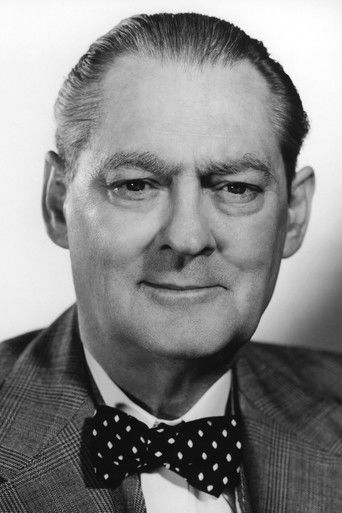
i stood in front of this hotel when my son marched by. he was going to his death and i cheered.lubitsch is probably the last director i associate with a serious and heavy anti-war drama. a deeply melancholic story about guilt. melodramatic, but there's sincerity more than manipulation. it's very little interested in blame. paul isn't looking for punishment or even god's forgiveness; he's searching for something much harder to find, peace with himself. the early confession scene, where the priest's reassurance that he was simply "doing his duty" means absolutely nothing to him. that emotional conflict drives the entire film, and holmes' quiet desperation hits all the right spots, even as his lie grows larger.lionel barrymore steals the film. the tavern speech, the emotional centerpiece of the film, rejects easy patriotism in favor of acknowledging that war leaves everyone diminished. barrymore delivers it with such a pain... long stretches of silence say more than dialogue, and the absence of music for most of the runtime makes the final performance of schumann's moving. the violin and piano... first fragile sign that healing is possible. the romance between paul and elsa though develops too quickly that it's sometimes more symbolic than believable. even so, elsa gives strength to the ending, transforms the film from a story about confession into one about compassion. i actually admired its ambiguity. paul isn't really forgiven, nor is he absolved. he's left to live with both the love and the guilt, which is far more honest than a conventional confession scene would have been. remarkably mature in the way it approaches trauma and reconciliation. deeply humane.⏩ ernst lubitsch, ranked
"There's no music left"Haunted by the death of Walter Holderin, a man he killed in WWI, musician Paul Renard (Phillips Holmes) seeks out the man's family to unburden his guilty conscience and find whatever mercy of condemnation they can grant him. Broken Lullaby is a powerful film on multiple levels. It works exceptionally well as a time capsule capturing the fear and anxiety of the 1930s about the growing possibility of another devastating World War. On a human level it it captures the haunted life ruining regret of a man who took another human life and can't live with it. But our lead isn't the only haunted figure. Lubitsch is careful to showcase the inconsolable sadness of a family shattered by the loss. Lionel Barrymore is fantastic as a father struggling to come toterms with the loss of his son. After Paul is unable to bring himself to tell the family he is, in fact, the man who killed their loved one and they accept him into their home, there's a palpable tension that comes with the emotional destruction that could happen at any moment if his secret were to come out. His momentary failure of courage leads to the creation of a fantasy. It's a terrible lie by omission intended to spare people from further grief, and Lubitsch doesn't shy away from the moral complexity that comes with doing a terrible thing for a good reason. Broken Lullaby is a raw wound of a film. The unshakeable weight of loss caused by WWI blankets nearly every moment. A table of men drink mourn their lost sons. Mothers comfort one another over the tombstones of their sons. The man who was sent to war to kill wanders, hollow and tormented. All seek a path forward. The tragedy, Lubitsch seems to be arguing, is that sometimes the only escape is in shared delusion. Paul can potentially find happiness with Walter's former fiancee Else (Nancy Carroll), but it comes at the cost of keeping the secret that stains his soul from Walter's parents, who love and accept him. And the world, too, can find some happiness by accepting the reassurances of a priest telling a congregation of sabre wielding military men that peace is here to stay even though, deep in their hearts, everyone knows WWII will eventually arrive.