





This is not a chill movie
We use cookies to personalize your experience and analyze traffic. You can opt out at any time.

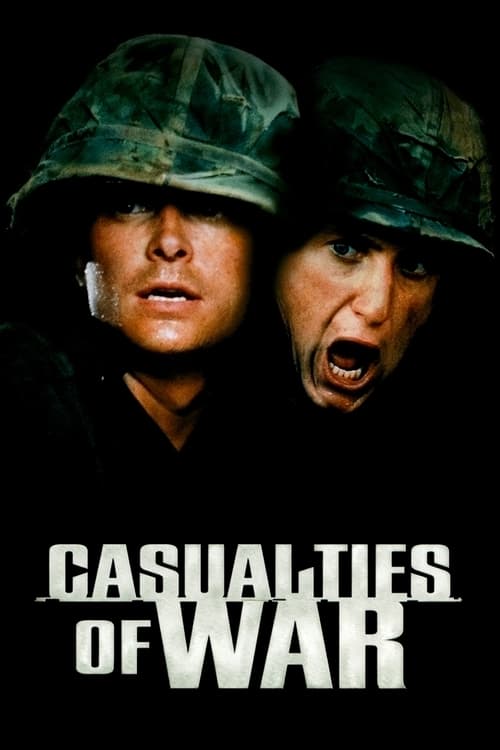
During the Vietnam War, a soldier finds himself the outsider of his own squad when they unnecessarily kidnap a female villager.
Casualties of War isn't screening in cinemas right now.
Follow the film in the app to get notified when showtimes are added.
Casualties of War showtimes, refreshed every morning
Pick your cinema, get a nudge before it leaves screens.


This is not a chill movie

"Oh, God. I'm sorry."At one point the military defense attorney shouts that being a witness isn't hazardous but De Palma would beg to differ. He tantalizes us by recording the hidden tunnels, enemies in wait either hiding behind us or looking just like us, codes we can't interpret. But this is a recreation of a real evil, not the seduction of images, and some things cannot be resolved or reconstructed, and so in a way this doubles as his confession, one that forces you to watch her but makes it impossible for you to save her.

I don't know if I have the words yet...brief early thoughts - it's far more a film about America than Vietnam (but it's De Palma, so of course), and what strikes the most right now is how 'war' doesn't necessarily turn people into monsters, but rather amplify the monstrosity which already exists - these monstrosites which are the child of masculinist codes: the first thing which Fox states after the "Oh god...I'm sorry," is an almost intelligibly mumbled "..my friends..." De Palma seems to cast a light on a certain indoctrination of nationalist protocol, the 'bro' language - perhaps a Linklater film gone bad. Behaviour manifests not as a response to language, but as an extension of it. Tina Hassannia's write-up points out that the pivotal moment in the film is when Fox and the Vietnamese woman are alone together (where the previous dialogue comes from) as it's the point where De Palma begins to deconstruct the design of the work. This is key in tandem with the films opening moments, which almost seem plucked from a generic war film, including a very delebrite suspense sequence with a generic "Vietnamese" enemy. With the later sequence, De Palma flips the gaze, but not to implicate the viewer but rather afford the viewer a responsibility. --"You had a bad dream, didn't you?""Yes.""It's over now, I think."Reflecting on this films final moments led me to remember John Lehtonen's comments after watching Blow Out this summer, stating that it was a relentlessly personal work of self-excoriation, De Palma taking himself up to task for leaving his ideals and entering the marketplace. I find this interesting in the context of this film as well, as so much of De Palma's earliest work addresses the Vietnam War, and in retrospect it seems a pivotal moment for De Palma's politicization. With these final words in the context of both this and the film, its all the more moving, and seems all the more personal.
The film follows a principled soldier in Vietnam who becomes an outcast after refusing to participate in the abduction and murder of a villager by his squad.
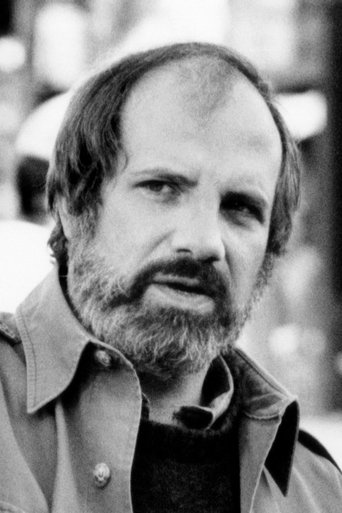
Brian De Palma directed the 1989 war drama, which remains one of his most politically charged works.
The film did not win major industry awards but earned critical appreciation for its unflinching portrayal of moral conflict in combat.