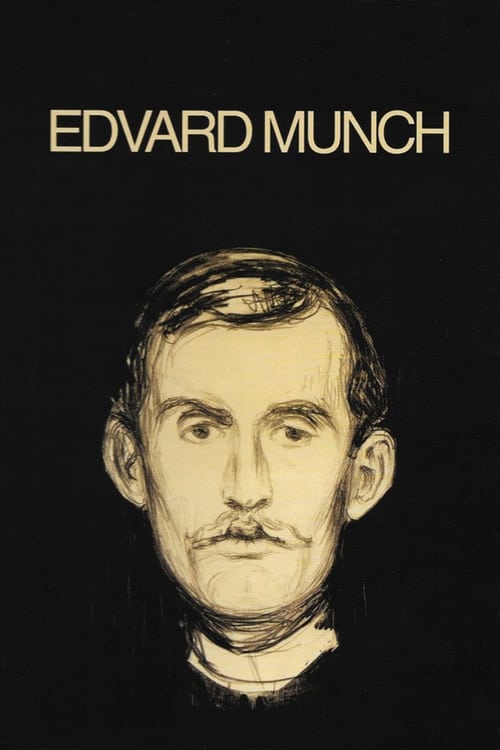


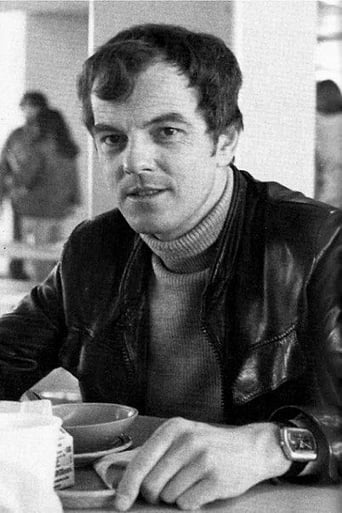


A biopic can never tell its audience the whole story, yet at the same time what is the use of a biopic if it can't? Watkins, understanding this, prioritizes the context that surrounds the Norwegian painter more than the painter himself, the intent being that understanding context surrounding a person reveals more about them than they could themselves: Munch therefore almost always appears as an inscrutable cipher whose inner emotions only manifest as haunting paintings to be interpreted.If the goal was to provide as truthful of a representation as possible then this is certainly the most ethical choice, avoiding the half-truth embellishments most biopics make in pursuit of a cinematic excellence (whether or not they achieve that is another question) by means of celebrity. It is the narration instead that discloses the painter's candid thoughts, speaking for Munch while he stands stoic and stone-like as if he were equally an onlooker to his own life. Very dry stuff admittedly, but in abstaining from being a spectacle/spectator sport of a film it achieves a plainspoken authenticity towards the actual history par excellence.In the end we are left not with a clear portrait of Munch himself but an understanding of how he became the person he was, an outline of a man made by filling in the space around him. It is not quite the whole story, but it is enough for us to see the whole picture.