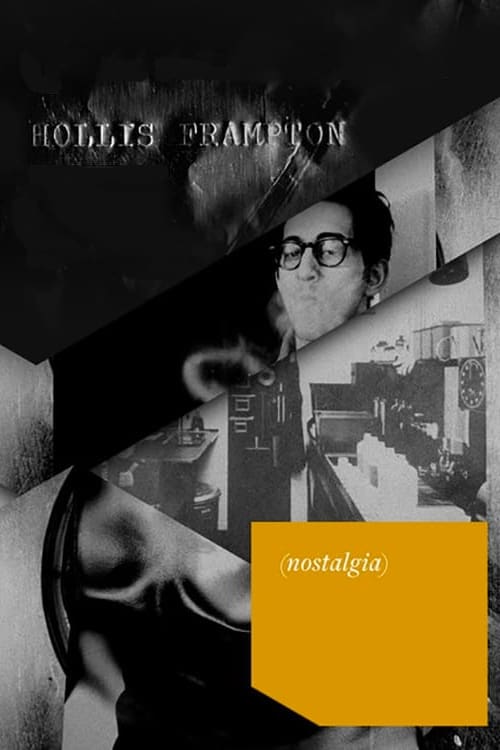



Hollis Frampton’s (nostalgia) has obvious traces of the documentary—we can assume that the photos being described in the voiceover correlate to the truth claims they represent. But of course, that issue of correlation is one of the central conceits here. The voiceover is first of all not that of director Hollis Frampton, but Michael Snow (who at one point must describe himself as described by Frampton), and secondly the relationship between the visual viewing of the photos and the listening of the stories is off by one. It prompts questions between the relationship of the indexical and the possibility of truth claims being validated. However, Frampton goes even further as the stories that he tells are each already prompted by a photographic representation (a positive print) and one that being burned. As the photos burn, the stories continue, even though any indexical quality that these positive prints contained are no longer accessible to the spectator. If put back in the documentary context then, Frampton’s work asks about the relationship of the indexical to documentary. Here, the only thing that is in some way not representational is the stories being relayed, which of course have no indexical value. So is there really a role for the index in documentary?