

love to build a bridge with the boys
We use cookies to personalize your experience and analyze traffic. You can opt out at any time.
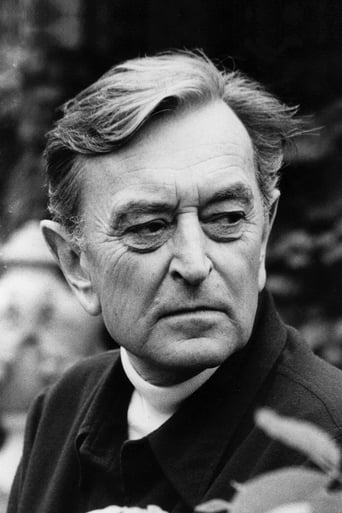
Directed by David Lean
An acclaimed, spectacular drama.
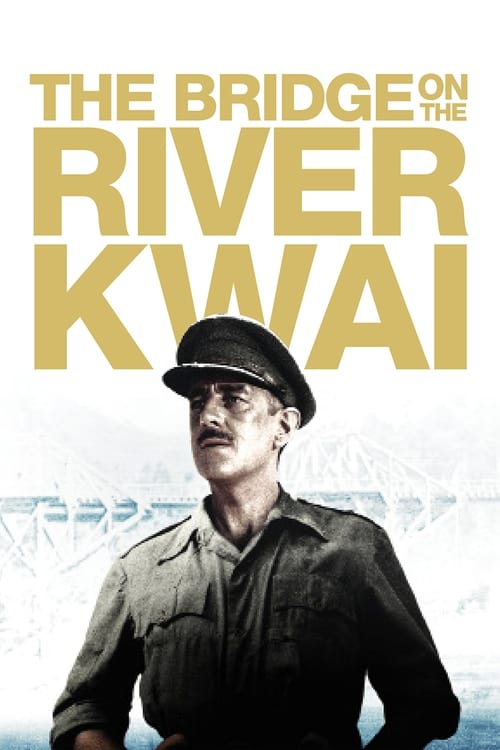
The classic story of English POWs in Burma forced to build a bridge to aid the war effort of their Japanese captors. British and American intelligence officers conspire to blow up the structure, but Col. Nicholson, the commander who supervised the bridge's construction, has acquired a sense of pride in his creation and tries to foil their plans.
The Bridge on the River Kwai isn't screening in cinemas right now.
Follow the film in the app to get notified when showtimes are added.
The Bridge on the River Kwai showtimes, refreshed every morning
Pick your cinema, get a nudge before it leaves screens.


love to build a bridge with the boys

”There are times when suddenly you realize you're nearer the end than the beginning. And you wonder, you ask yourself, what the sum total of your life represents. What difference your being there at any time made to anything.”According to Letterboxd this was my 1000th movie so to mark this occasion I decided to visit a renowned work of one of my favorite filmmakers of all time: Sir David Lean and his majestic, impossible to resist and superb The Bridge on the River Kwai. And unsurprisingly it turned out to be a true absorbing classic. Just timeless.David Lean is famous for the grandeur and epic scale of his films, it didn’t matter if it was the vast boiling deserts of Arabian peninsula or the freezing plains of Soviet Union or the hot and humid jungles of Thailand, he always found a way of capturing the greatness of the nature and transferring its ferocity, malice and wickedness and its generosity, gentleness and peace to the screen. His characters are not only fighting with their own limitations, ambitions and dreams, in fact the thing that often drives Lean’s less than perfect and stubborn protagonists towards ultimate madness – and failure – is that sooner or later they realize that they are fighting against something bigger, more powerful, more capable and less flexible than themselves. And who can portray the threatening splendor and the seductive allure of such entity better than David Lean?As always Lean and his cinematographer – this time Jack Hildyard – capture the most beautiful pictures you can imagine, it’s not that the film’s frames are just aesthetically wonderful, for Lean pictures, like lines of dialogues and the facial expressions of actors, are storytelling tools. For instance just look at the heavenly landscape of Ceylon and compare it with the God forsaken nature of the camp and see how the delicate differences between Lean’s use of close-ups and long shots and how he cuts from one scene to the other one help us understand – and feel – the fundamental difference between being a free man and a prisoner. Even nature treats you differently when you’re a free man.While many criticize the film for its long runtime I have to admit that I never felt bored and that’s another of Lean’s talents: despite the gigantic runtime of his films they never seem long. One reason is that the screenplays are so well-written and the characters are so finely developed that there is always something quite dramatic going on in the film, even in the most simple and ordinary moments of his films there is something that draws the attention of us viewers. Lean was a master of creating tension and drama, just watch one of many encounters between Nicholson and Saito and see how the unspoken words and unexpressed emotions build a three dimensional relationship between two men who are too proud to admit that they respect and honor each other. But if there is one keyword to describe this melancholic portrait of mankind’s limitation and his pitiful ambitions its – as Major Clipton puts it – madness. In the film’s universe there’s no sanity. Stubbornness, pride, naivete and disgrace rule in the film’s world. To fight their fears – and it might be the fear of death and oblivion or the fear of facing an uncomfortable situation – men create imaginary worlds in their minds, worlds in which people will celebrate the “pride” of soldiers who built the best bridge for enemy, a world in which escaping the prison will be equal to disobedience, a world in which you can change the mind of another officer only by offering him beef and wine. The Bridge on the River Kwai - like Lean’s other films – is a bitter depiction of our weaknesses. An unnerving story of failure and defeat. And there are no external enemies. The biggest enemy of Lean’s protagonists are themselves. They always stop when they are one small step away from eternity. If you think you’re very good at controlling your nerves then go ahead and watch the final 30 minutes of the film and see if you can sit still. Lean creates such a tense atmosphere that you will find yourself glued to the screen praying for something “good” to happen. That’s the power of cinema and The Bridge on the River Kwai is cinema at its finest

Western cinema's great "Life's a bitch and then you die" treatise.
The film follows British POWs in Burma who are forced to construct a bridge for their Japanese captors, leading to a complex psychological struggle between duty, pride, and the eventual mission to destroy the structure.
David Lean directed this 1957 British-American production, which won seven Academy Awards including Best Picture.
Yes, the film won seven Academy Awards, including Best Picture, Best Director, and Best Actor for Alec Guinness.