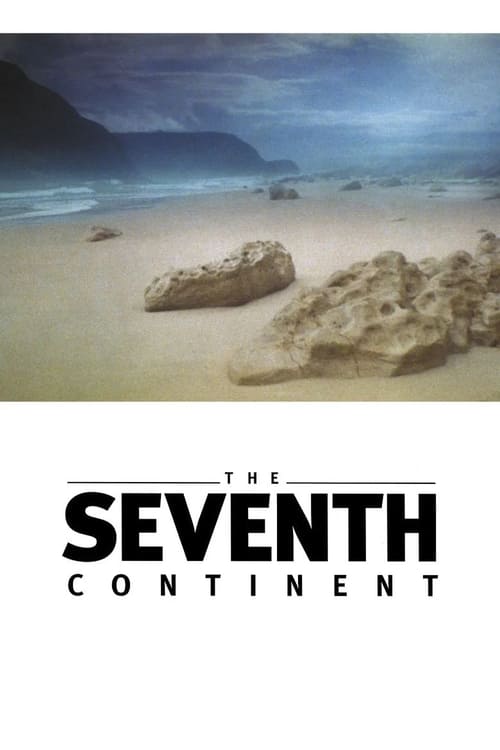


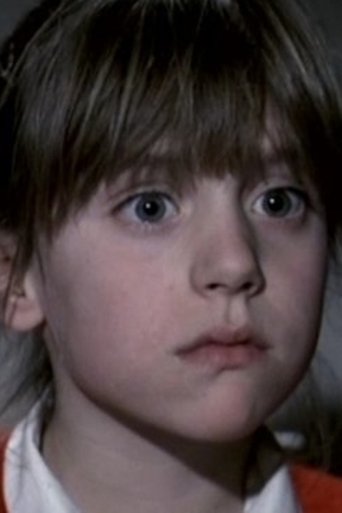


Wake up to the radio at 6Take a bath. Give your child a kiss. Eat breakfast. Get a car wash. Drop wife at work. Work. Reach home for dinner. Sleep. Repeat. Rinse. Recycle. Restart. Remain. then... Something clicks. You don't know what it is. But it clicks.It comes flooding back to you. This unfamiliar ache. This pang of confusion. This sudden melancholy. It makes sense. And you realise the unbearable weight of your existence. It weighs deeply. You see it in the routine you live in. You feel it in the monotony that keeps you going. You hear it in the silence when you have nothing to speak. Then settles a fatigue that you've never felt in your life. Sleep won't cure it. Drugs won't suppress it. Love won't change it. It's a mortal solution. The eternal sleep.And end scene. Michael Haneke is uncompromising in his debut feature. To watch a director set the foundation upon which his entire career will be based upon and knowing he'll gradually improve his craft is mesmerizing to watch. It's the ultimate middle-class family experiencing the ultimate existential terror. A scathing critique on consumerism, mass media, capitalism and the crooked modern life we live in, Haneke's modernist horror film The Seventh Continent will dig deep in your skin and stays there. George, Anne and their daughter Eva are the players of this tragedy. George is a successful electrical plant worker who lives a very comfortable life. Anne is an optometrist who works alongside her brother. Eva is a small girl living the life of a small girl. Spanning across 3 years, Haneke focuses the gradual change in this typical German family, grappling with the meaning of their existence in society culminating to a climax that's disturbingly real and borderline fucked up. The greatest aspect of this film are the themes Haneke explores. Alienation, paranoia and technology have always been a recurring motif in his films and this film shows no lack thereof. Existentialism as well as ambiguity mesh so well in this drama that as it unfolds, the most ordinary of activities seem the most terrifying. The subtexts of long car washes, TV watching or even seeing someone wait for the doctor is intense as each scene has a payoff that'll reward the viewers patience. And the payoff is kinda fucked up. Haneke's mechanical and static frames, courtesy of his 15 years of experience as a advertising and television director, adds to the hum-drum monotony of the Laurents' life. Each shoe, each door handle, each dinner scene, each small aspect is given attention, making it excruciatingly boring to watch but the subtext is what prevents it from being worthless. The screenplay, as far as I'm concerned, never provides any real answers, only the right questions, something that Haneke has mastered with his superb direction. The acting is worth the mention especially little Eva played superbly by Leni Tanzer. Haneke always had a knack for bringing out great performances from actors including child actors whose acting skills are not the most professional. But Haneke's meticulous direction gives young actors the opportunity to shine, a great example is his Palme D'or winning The White Ribbon, by acting within their age and range. What scares me the most isn't the lack of reason in the actions of these characters but the fact that this can happen to literally anyone. It's a disease that you cannot see, cannot touch and cannot be comprehended by others. As George is ready to meet his end, he writes a huge question mark on the wall next to his name and date. What was the reason he had to do this? What pushed him over the edge? It's a question that'll never be answered but is present in that last shot. George's slump body facing the television that stands like a king amongst rubble. A montage of the previous events, giving glimpses of where it went wrong as the camera goes closer and closer to the static-emitting TV then... It's clear... Inside you... Something clicks.